
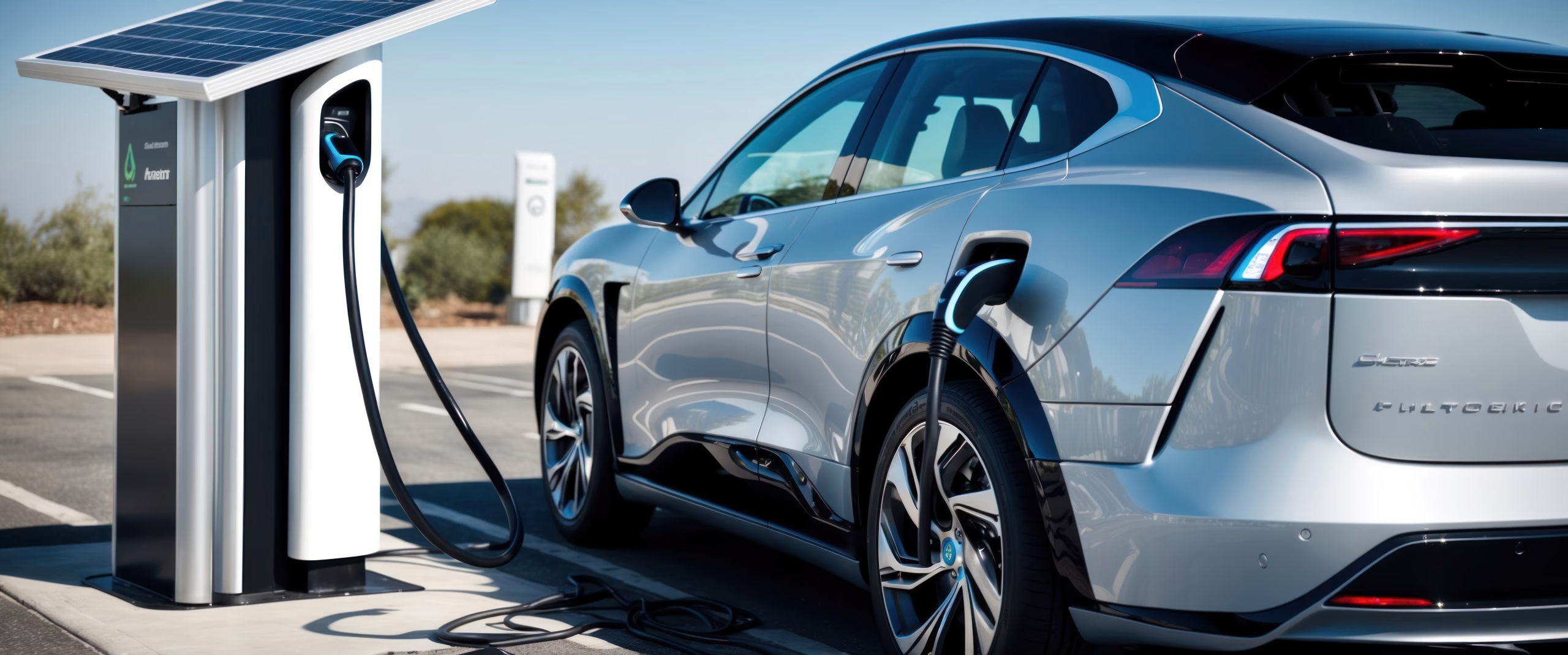
The automotive industry is in the midst of a profound transformation. Traditional internal combustion engines are gradually being replaced by electric vehicles (EVs), signaling a shift toward sustainable, efficient, and technologically advanced transportation. The future of electric vehicles promises longer ranges, faster charging, smarter integration, and eco-friendly innovations that will redefine how we travel. This article explores the emerging trends, technological advancements, and the broader impact of EVs on society and the environment.
The Rise of Electric Vehicles
Electric vehicles have evolved from niche products into mainstream mobility solutions. Advances in battery technology, growing environmental awareness, and government incentives have accelerated adoption. According to industry reports, EV sales are projected to grow exponentially over the next decade, making them a key player in achieving carbon neutrality.
The main advantages driving this growth include:
-
Zero Tailpipe Emissions: EVs produce no direct carbon dioxide, reducing urban air pollution.
-
Lower Operating Costs: Electricity is cheaper than gasoline, and EVs have fewer moving parts, reducing maintenance expenses.
-
Energy Efficiency: Electric motors convert more than 85% of energy into motion, compared to 20–30% in combustion engines.
-
Government Incentives: Many countries offer tax credits, subsidies, and perks to promote EV adoption.
These benefits make electric vehicles a viable and attractive alternative for consumers worldwide.
Advancements in Battery Technology
Batteries are the heart of EVs, and their evolution determines the future of electric mobility. Recent developments are focused on increasing energy density, reducing charging time, and extending lifespan.
Key Battery Innovations:
-
Lithium-Ion Improvements: Current EVs predominantly use lithium-ion batteries. New formulations enhance capacity, safety, and thermal stability.
-
Solid-State Batteries: Offering higher energy density and faster charging, solid-state batteries could revolutionize EV ranges and performance.
-
Battery Recycling and Sustainability: Companies are investing in recycling and repurposing batteries, reducing environmental impact and resource dependency.
-
Wireless Charging Integration: Inductive charging solutions may allow convenient, cable-free recharging in homes, parking lots, and even on highways.
These innovations will make EVs more practical, efficient, and convenient, addressing current concerns about range and charging infrastructure.
Expanding Charging Infrastructure
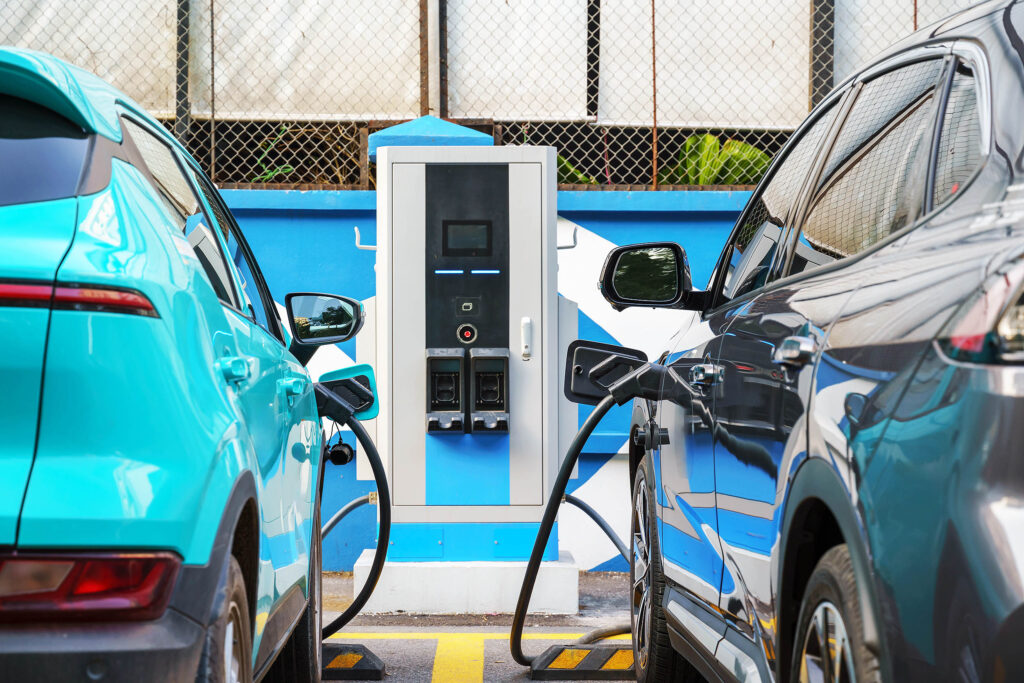
Electric cars at charing station in Hanoi, Vietnam
The future of EVs is closely tied to charging accessibility. Widespread charging networks are essential to support growing EV fleets.
-
Fast Charging Stations: Capable of charging up to 80% of battery capacity in 15–30 minutes, reducing downtime.
-
Smart Charging Grids: Intelligent systems optimize charging schedules based on electricity demand and renewable energy availability.
-
Urban and Home Solutions: Integration of EV chargers in residential areas, workplaces, and public spaces ensures easy and convenient access.
As charging infrastructure improves, EVs will become more convenient, encouraging mass adoption across cities and rural areas alike.
Electric Vehicle Types and Segments
The future of EVs encompasses a variety of vehicle types to meet diverse needs:
-
Battery Electric Vehicles (BEVs): Fully electric with no combustion engine, offering zero emissions and high efficiency.
-
Plug-in Hybrid Electric Vehicles (PHEVs): Combine an electric motor with a gasoline engine for flexibility in range and energy use.
-
Hybrid Electric Vehicles (HEVs): Use both gasoline and electric power but cannot be plugged in, offering partial efficiency improvements.
-
Electric Buses and Commercial Vehicles: EVs are expanding into public transport and logistics, reducing emissions on a larger scale.
-
Autonomous Electric Vehicles: Self-driving EVs will integrate AI, sensors, and connectivity, redefining urban mobility.
This diversity ensures that electric mobility can serve multiple sectors, from personal commuting to commercial transportation.
Integration of Smart Technology
The future of EVs is intertwined with smart technology and connectivity. Modern electric vehicles are no longer just cars—they are intelligent machines integrated with software, AI, and cloud computing.
-
Vehicle-to-Grid (V2G) Technology: EVs can feed electricity back into the grid, balancing demand and supply.
-
Over-the-Air Updates: Software updates enhance performance, safety, and features without visiting a service center.
-
Connected Navigation Systems: Real-time traffic and charging station data improve route efficiency and battery management.
-
Autonomous Features: EVs equipped with lane assistance, adaptive cruise control, and self-driving capabilities enhance safety and convenience.
Smart technology ensures that EVs are not only eco-friendly but also highly intelligent and user-centric.
Sustainability and Environmental Impact
Electric vehicles are a cornerstone of global sustainability initiatives. Beyond reducing emissions, EVs promote green energy adoption and circular economy practices:
-
Renewable Energy Integration: Charging EVs with solar, wind, or hydroelectric power further reduces carbon footprint.
-
Recyclable Materials: EV manufacturers are increasingly using eco-friendly materials for batteries, interiors, and manufacturing processes.
-
Reduction in Urban Pollution: EVs contribute to cleaner air, improving public health in densely populated cities.
-
Energy Efficiency: EVs require less energy per kilometer compared to internal combustion vehicles, optimizing resource use.
The combination of EVs and renewable energy represents a holistic approach to sustainable mobility.
Global Adoption Trends
The adoption of electric vehicles is accelerating worldwide, driven by policy, innovation, and consumer awareness:
-
Europe: Aggressive EV mandates and infrastructure investments are creating EV-friendly markets.
-
China: The largest EV market globally, with widespread adoption and domestic manufacturers leading innovation.
-
United States: Federal incentives, state policies, and private investment are promoting EV growth.
-
Developing Countries: Affordable small EVs and two-wheeled electric vehicles are gaining traction in urban centers.
This global trend signals that electric mobility is no longer a niche market but a major part of the automotive future.
Challenges for the Future
Despite promising developments, the EV sector faces challenges that must be addressed for mass adoption:
-
Battery Raw Materials: Dependence on lithium, cobalt, and rare earth metals requires sustainable sourcing and recycling.
-
Charging Infrastructure Gaps: Rural areas and developing regions need wider access to reliable charging stations.
-
Upfront Costs: While running costs are lower, initial purchase prices can be higher than traditional vehicles.
-
Grid Demand: Large-scale EV adoption may strain power grids unless smart energy management systems are implemented.
Addressing these challenges will require cooperation between manufacturers, governments, and energy providers.
Innovations Shaping the EV Future
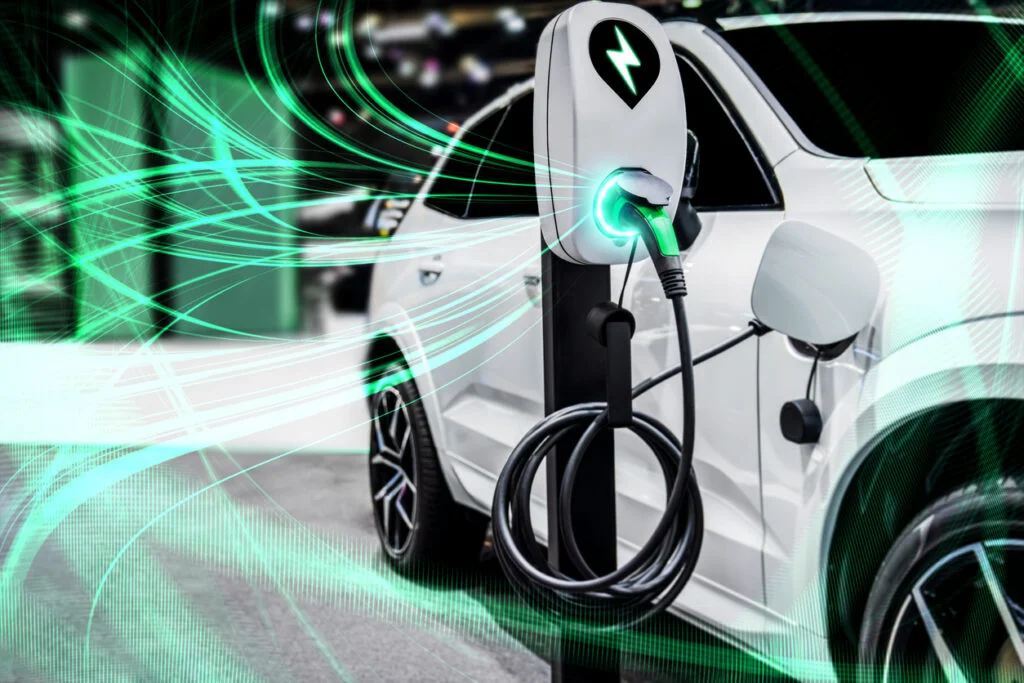
Several innovations are shaping the next generation of electric vehicles:
-
Long-Range Batteries: Vehicles capable of 500+ km per charge will reduce range anxiety.
-
Ultra-Fast Charging: Charging in 10–15 minutes will make EVs as convenient as gasoline cars.
-
Autonomous EV Fleets: Ride-sharing services with self-driving EVs will transform urban transportation.
-
Lightweight Materials: Carbon fiber and aluminum reduce vehicle weight, enhancing efficiency and performance.
-
Hydrogen-Electric Hybrids: Combining fuel cells with batteries may offer ultra-long range and quick refueling.
These innovations promise a more efficient, sustainable, and enjoyable driving experience for future EV owners.
The Societal Impact of Electric Vehicles
Electric vehicles are more than a technological shift—they are transforming society, urban planning, and lifestyles:
-
Urban Mobility: EVs encourage cleaner cities with quieter streets and less air pollution.
-
Job Creation: Manufacturing, battery production, and charging infrastructure create new employment opportunities.
-
Energy Transition: EVs integrate with renewable energy, supporting a global shift toward sustainable power.
-
Consumer Behavior: People are increasingly choosing eco-conscious mobility solutions, influencing the automotive market.
EVs are not just vehicles; they are agents of social and environmental change.
Conclusion
The future of electric vehicles is bright, dynamic, and transformative. As battery technology improves, charging networks expand, and smart technologies integrate, EVs will become faster, more convenient, and widely accessible. From urban commuting to autonomous ride-sharing, electric vehicles are reshaping how we travel, live, and think about transportation.
In the coming decades, EVs will no longer be a novelty—they will be the standard for sustainable, efficient, and intelligent mobility. They will reduce carbon emissions, improve urban air quality, and promote renewable energy integration. As governments, manufacturers, and consumers embrace this change, the automotive world is steering toward a cleaner, smarter, and electrified future.
Electric vehicles are more than a technological advancement—they represent a commitment to sustainability, innovation, and global responsibility. The road ahead is electric, and it promises a greener, smarter, and more connected future for all.
Read Also: Keep your face towards the sunshine and shadows will fall behind you
Watch Also: https://www.youtube.com/@TravelsofTheWorld24














Leave a Reply