
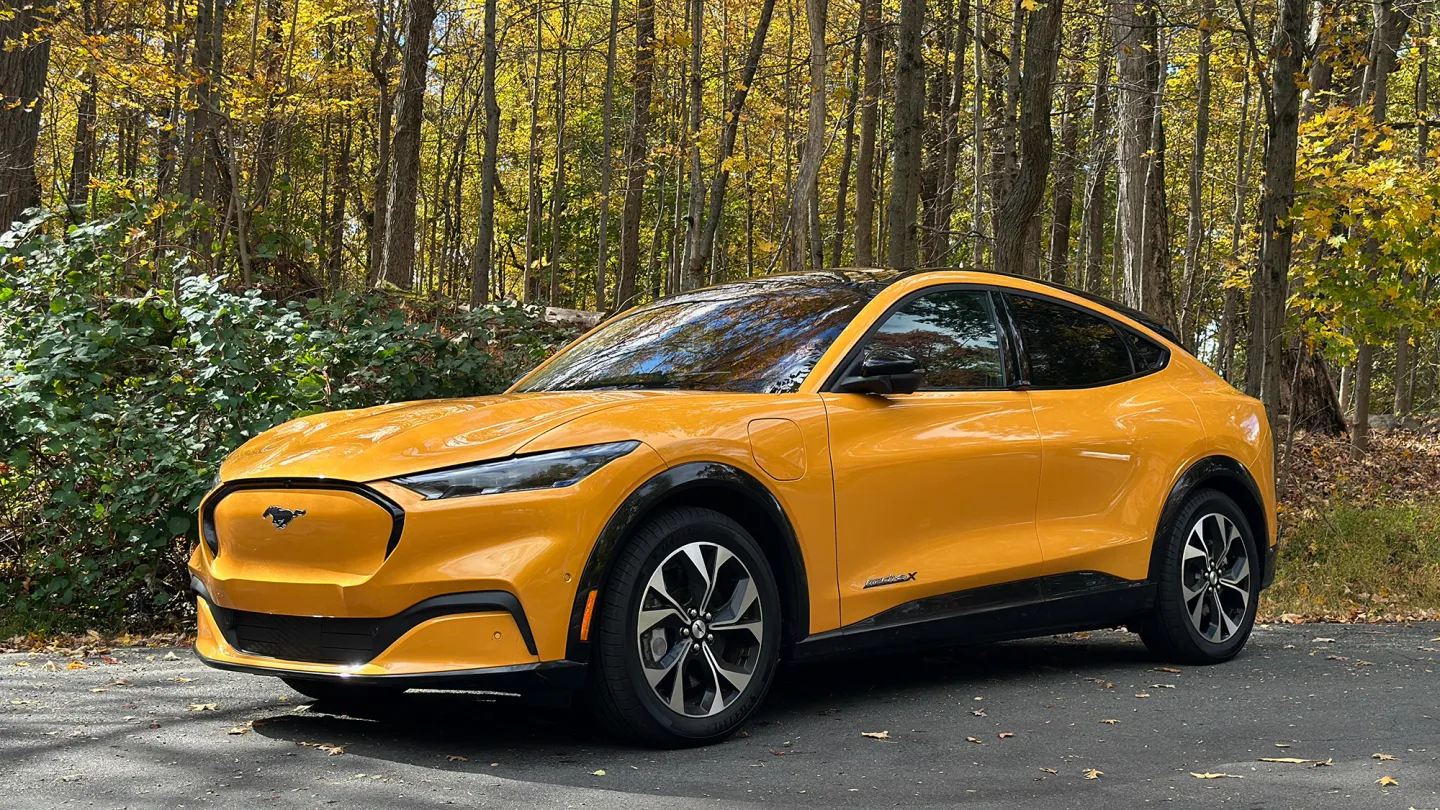
The automotive industry is undergoing a revolutionary transformation, driven by the rise of electric vehicles (EVs). Unlike traditional cars that rely on internal combustion engines, electric cars operate on electric motors, offering higher efficiency, reduced emissions, and innovative driving experiences. At the heart of these vehicles lies a fundamental principle of physics: magnetism. By understanding how electric cars harness the power of magnetism, we can appreciate the engineering marvels that make EVs not only eco-friendly but also highly efficient and powerful machines.
The Basics of Electric Vehicles
Electric vehicles are designed to convert electrical energy into mechanical energy to drive the wheels. Instead of gasoline or diesel engines, EVs use electric motors powered by rechargeable batteries. The major components of an electric car include:
-
Battery Pack: Stores electrical energy, usually lithium-ion, providing power for the motor.
-
Electric Motor: Converts electrical energy into mechanical rotation, propelling the car.
-
Controller: Regulates the flow of electricity between the battery and motor for smooth operation.
-
Regenerative Braking System: Converts kinetic energy back into electrical energy to recharge the battery during braking.
-
Charging Port & Inverter: Allows energy input and converts battery DC power to AC for the motor when needed.
Understanding how these components work together involves exploring the science of electromagnetism, which underpins modern electric motors.
Magnetism: The Driving Force
The magic behind electric cars lies in magnetism. Electric motors operate on the principle that electric currents generate magnetic fields, which then interact with magnets to produce motion. This principle is known as electromagnetism, discovered in the 19th century by scientists like Hans Christian Ørsted and Michael Faraday.
Here’s how magnetism powers an electric motor:
-
Electric Current Creates a Magnetic Field: When electricity flows through a wire, it generates a magnetic field around it.
-
Interaction With Permanent Magnets or Electromagnets: The magnetic field interacts with other magnets in the motor, producing rotational force.
-
Mechanical Energy: This rotational force turns the motor’s shaft, which ultimately drives the car’s wheels.
By precisely controlling the current and magnetic fields, engineers can create smooth, efficient, and powerful motion, allowing electric cars to rival or surpass traditional vehicles in performance.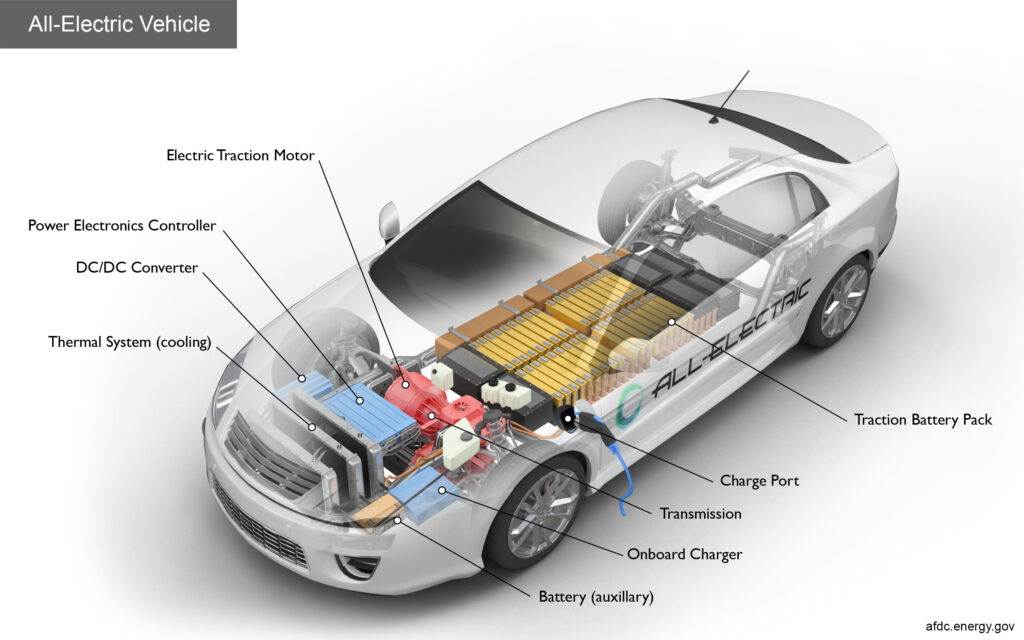
Electric Motor Types in Cars
There are several types of electric motors used in EVs, each relying on magnetism to convert electricity into motion:
-
Permanent Magnet Motors (PMM):
-
Use strong magnets on the rotor.
-
Offer high efficiency and compact size.
-
Commonly used in Tesla and Nissan Leaf.
-
-
Induction Motors:
-
No permanent magnets; rely on electromagnetic induction.
-
Rotor magnetizes through electric currents generated by the stator.
-
Known for durability and robustness; used in Tesla Model S.
-
-
Synchronous Motors:
-
Rotor spins at the same rate as the magnetic field in the stator.
-
Provides precise control and efficiency.
-
Each motor type exploits magnetic forces differently but ultimately converts electrical energy into mechanical power.
The Role of Batteries
Electric cars are powered by rechargeable battery packs, typically using lithium-ion cells. These batteries store vast amounts of electrical energy in chemical form. When the car is in motion, the battery discharges electricity to the motor, which then generates a magnetic field to create motion.
Key Features of EV Batteries:
-
High Energy Density: Packs a large amount of energy into a small volume.
-
Fast Charging Capability: Modern EVs can recharge up to 80% in 30–60 minutes with fast chargers.
-
Longevity: Advanced battery management systems (BMS) prolong lifespan by regulating charge and temperature.
The efficiency of energy transfer from battery → motor → wheels is much higher than that of internal combustion engines, contributing to the eco-friendly nature of EVs.
Regenerative Braking: Recycling Energy
One of the most remarkable features of electric cars is regenerative braking, which also relies on magnetic principles.
When the driver applies the brakes, the electric motor reverses function, acting as a generator:
-
The wheels turn the motor, inducing a magnetic field that generates electricity.
-
This electricity is sent back to the battery, partially recharging it.
This process improves energy efficiency, reduces wear on brakes, and exemplifies how magnetism and electricity can be recycled within an EV.
Inverters and Controllers: Controlling the Flow of Power
Electric cars use controllers and inverters to manage how electricity flows to the motor. These devices ensure:
-
Smooth acceleration: By adjusting voltage and current to the motor.
-
Direction control: Forward or reverse motion is achieved by changing the polarity of the magnetic field.
-
Efficient operation: Reduces energy loss and optimizes performance.
Essentially, these components orchestrate the magnetic interactions inside the motor, turning raw electricity into precise, controlled motion.
Advantages of Magnetic Propulsion in EVs
Harnessing magnetism provides several key advantages over traditional engines:
-
Instant Torque: Electric motors provide maximum torque from zero RPM, enabling fast acceleration.
-
Energy Efficiency: Less energy is wasted as heat compared to internal combustion engines.
-
Low Maintenance: Fewer moving parts mean less wear and tear.
-
Quiet Operation: Magnetic motors operate silently, enhancing driving comfort.
-
Environmental Impact: Reduced emissions and reliance on fossil fuels.
These benefits highlight why magnetism is central to the electric car revolution.
Challenges in EV Magnetism Systems
While EVs are transformative, they face certain technical challenges:
-
Material Requirements: High-performance magnets often require rare earth metals like neodymium.
-
Heat Management: Magnetic systems can generate heat, requiring sophisticated cooling solutions.
-
Energy Density Limitations: Batteries need to store enough energy to maintain long ranges while keeping weight manageable.
Despite these challenges, advancements in battery chemistry, magnet materials, and motor design continue to enhance performance and reduce costs.
Future Innovations in Electric Cars
The future of EVs promises even greater reliance on magnetic technologies:
-
Solid-State Batteries: Higher energy density and faster charging capabilities.
-
Wireless Charging: Utilizing electromagnetic fields to charge vehicles without plugs.
-
Advanced Motor Designs: Lightweight, more efficient motors that extract maximum power from magnetic interactions.
-
Magnetic Levitation and Drive Systems: Experimental concepts may use magnetic fields for frictionless propulsion.
These innovations will make EVs faster, more efficient, and more sustainable, ensuring magnetism continues to drive the automotive future.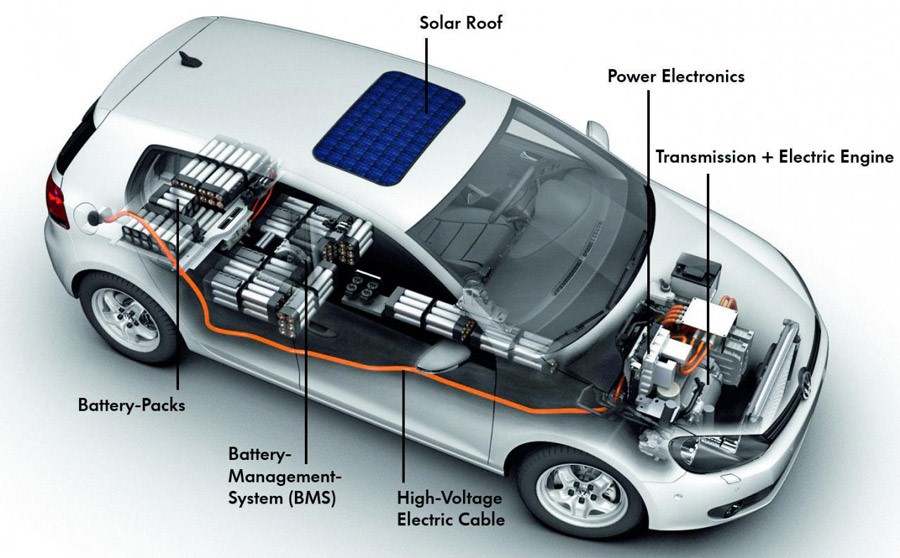
Impact on Society and the Environment
Electric cars powered by magnetic motors are reshaping transportation, urban planning, and environmental policies:
-
Reduced Emissions: Less reliance on fossil fuels lowers greenhouse gas emissions.
-
Urban Noise Reduction: Quiet motors reduce noise pollution in cities.
-
Sustainable Mobility: Encourages investment in renewable energy and charging infrastructure.
By leveraging magnetism and electricity, EVs offer a practical solution to climate change and urban congestion, making them a cornerstone of the green transportation movement.
Conclusion: The Magic of Magnetism in Motion
Electric vehicles exemplify the practical application of magnetic science, transforming theoretical physics into tangible, everyday technology. By converting electricity into motion through magnetic interactions, EVs achieve unmatched efficiency, instant torque, and environmental benefits.
From Tesla’s Model S to the Nissan Leaf and Porsche Taycan, modern electric cars harness the magic of magnetism to redefine driving. They are quieter, faster, more efficient, and sustainable compared to traditional vehicles.
As technology advances, magnetic propulsion in EVs will continue to push boundaries, offering longer ranges, faster charging, and even more sophisticated motor systems. For consumers, this means a better driving experience, lower carbon footprint, and participation in a global shift towards sustainable mobility.
Ultimately, electric cars are not just vehicles—they are a marvel of physics, engineering, and environmental stewardship, powered by the invisible yet mighty force of magnetism.
Read Also: Keep your face towards the sunshine and shadows will fall behind you
Watch Also: https://www.youtube.com/@TravelsofTheWorld24









Leave a Reply