
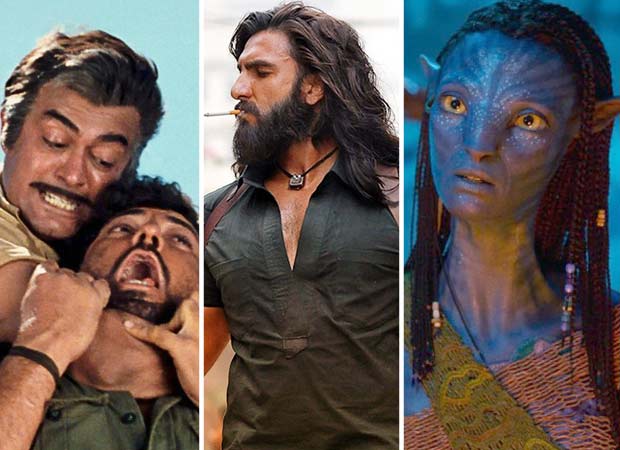
One of Indian cinema’s most iconic films — Sholay (1975) — is preparing for a theatrical resurgence, but this re‑release has stirred fresh debate, sparked controversy over a classic dialogue, and raised practical concerns for movie theatres already facing a packed schedule. The restored version, titled Sholay — The Final Cut, was recently presented to the Central Board of Film Certification (CBFC) and certified for release, triggering renewed interest in the legend of Jai, Veeru, Gabbar Singh and the film’s unforgettable dialogues.
However, an unexpected uproar erupted after fans watched the re‑release trailer and noticed one of the most famous lines — “Haan, James Bond ke pote hain yeh” (Yeah, he’s James Bond’s grandson) — seemingly changed to “Tatya Tope” in a scene featuring Jai (Amitabh Bachchan), Veeru (Dharmendra) and Basanti (Hema Malini).
That controversy, along with the challenges of re‑certifying a film that now runs well over three hours, reflects both how beloved Sholay remains and how delicate the process of restoring and re‑releasing a classic can be. Meanwhile, cinema exhibitors are bracing for a logistical headache: three monumental films with long runtimes releasing in quick succession could intensify pressure on screens and showtimes.
Why Sholay Is Being Re‑Released — and What’s New
Sholay is celebrating its 50th anniversary with a theatrical re‑release on December 12, 2025, in a fully restored 4K edition. This version — Sholay — The Final Cut — features not only improved visuals and sound but also three deleted scenes and the complete original ending that were not part of the 1975 theatrical release.
Originally, the ending of Sholay — in which Thakur Baldev Singh (played by Sanjeev Kumar) kills dacoit Gabbar Singh (Amjad Khan) in revenge — was altered due to censorship during India’s Emergency era; the filmmakers shot an alternative sequence where the police arrive in time to arrest Gabbar instead.
This restoration effort, undertaken by the Film Heritage Foundation and Sippy Films, aims to present the film as director Ramesh Sippy originally envisioned it, restoring scenes cut or altered because of past censorship, while preserving the legendary characters, emotional arcs and the essence of what made the film a cultural landmark.
Because the restored edition includes new material and scenes that were not in the standard theatrical cut, the film had to be submitted to the CBFC again to receive certification — a process that took place on November 24, 2025, ultimately earning a ‘U’ (universal) certificate without cuts, despite the film’s extended runtime of 3 hours, 29 minutes and 5 seconds (209.05 minutes).
The ‘James Bond–Tatya Tope’ Dialogue Controversy
The simmering controversy around Sholay — The Final Cut began with the release of the film’s trailer, which appeared to show a classic line being altered. In the 1975 film, during a light‑hearted moment when Basanti calls Veeru a good shooter, Jai responds jokingly, “Haan, James Bond ke pote hain yeh” — a cultural reference that has entered Indian pop‑culture lexicon.
In the Final Cut trailer, however, the line reportedly read: “Haan, Tatya Tope ke pote hain yeh.” Tatya Tope was a respected freedom fighter in India’s 1857 Rebellion against British colonial rule, and the reference seemed patriotic but different from the original pop‑culture nod.
This prompted fan confusion and criticism online, with some speculating whether dialogues were being tampered with, while others pointed to a historical backstory suggesting the Tatya Tope version might be closer to an earlier cut before original censorship intervened.
More significantly, screenwriter Javed Akhtar — who co‑wrote Sholay’s iconic script with Salim Khan — openly expressed displeasure at this apparent change, saying he was not consulted and decrying alteration of lines beloved by generations of fans.
Reports suggest the “James Bond” version was indeed the one widely released and remembered, while the Tatya Tope version might have been an early unused line or a mistaken edit in the trailer. The Film Heritage Foundation and Sippy Films have clarified that the restored version includes the original dialogues that appeared in the released version, and that the audio discrepancy in the trailer was likely an error.
What’s clear is that even minimal alterations to dialogue can ignite passionate responses from audiences who equate Sholay with not just visuals, but every catch‑phrase and moment etched into collective memory.
The Restoration Process and Censor Re‑Certification
Besides dialogue, the re‑restoration involved painstaking work on visuals and sound. The Film Heritage Foundation used the original sound negatives and magnetic tracks to remaster audio, and digitally restored 4K visuals respectful of the original 70mm frames.
Critically, the film’s original ending — where Thakur ultimately kills Gabbar — had not been publicly screened in Indian theatres before, although it existed in select DVD releases and festival premieres abroad. This makes the Final Cut not just technically enhanced but narratively felt as a more complete version of the original vision.
However, any film that alters its content — even with good intentions — must pass through the CBFC’s review to ensure compliance with current certification standards and legal requirements. In Sholay’s case, despite the extended length and additional scenes, no further cuts were imposed, and the film received certification for universal audiences.
Exhibitors’ Woes: A Packed Schedule With Long Films
Coinciding with Sholay — The Final Cut’s release, exhibitors — theatres and cinema owners — face a rarely crowded December lineup that could stretch resources and affect scheduling. The first three weeks of December 2025 are unusually stacked with three films longer than three hours, each demanding significant screen time:
-
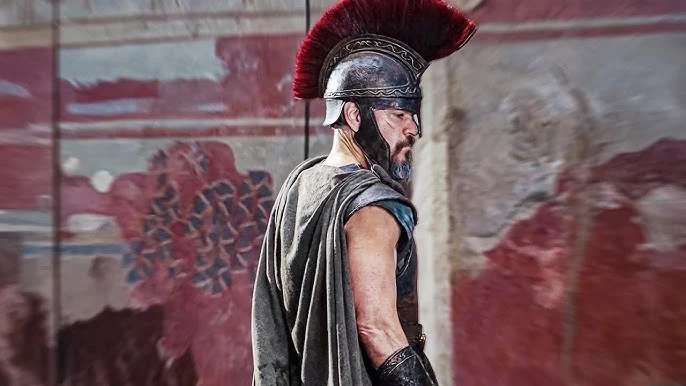
Dhurandhar — starring Ranveer Singh, runs 3 hours 34 minutes.
-
Sholay — The Final Cut — at 3 hours 29 minutes 5 seconds-long.
-
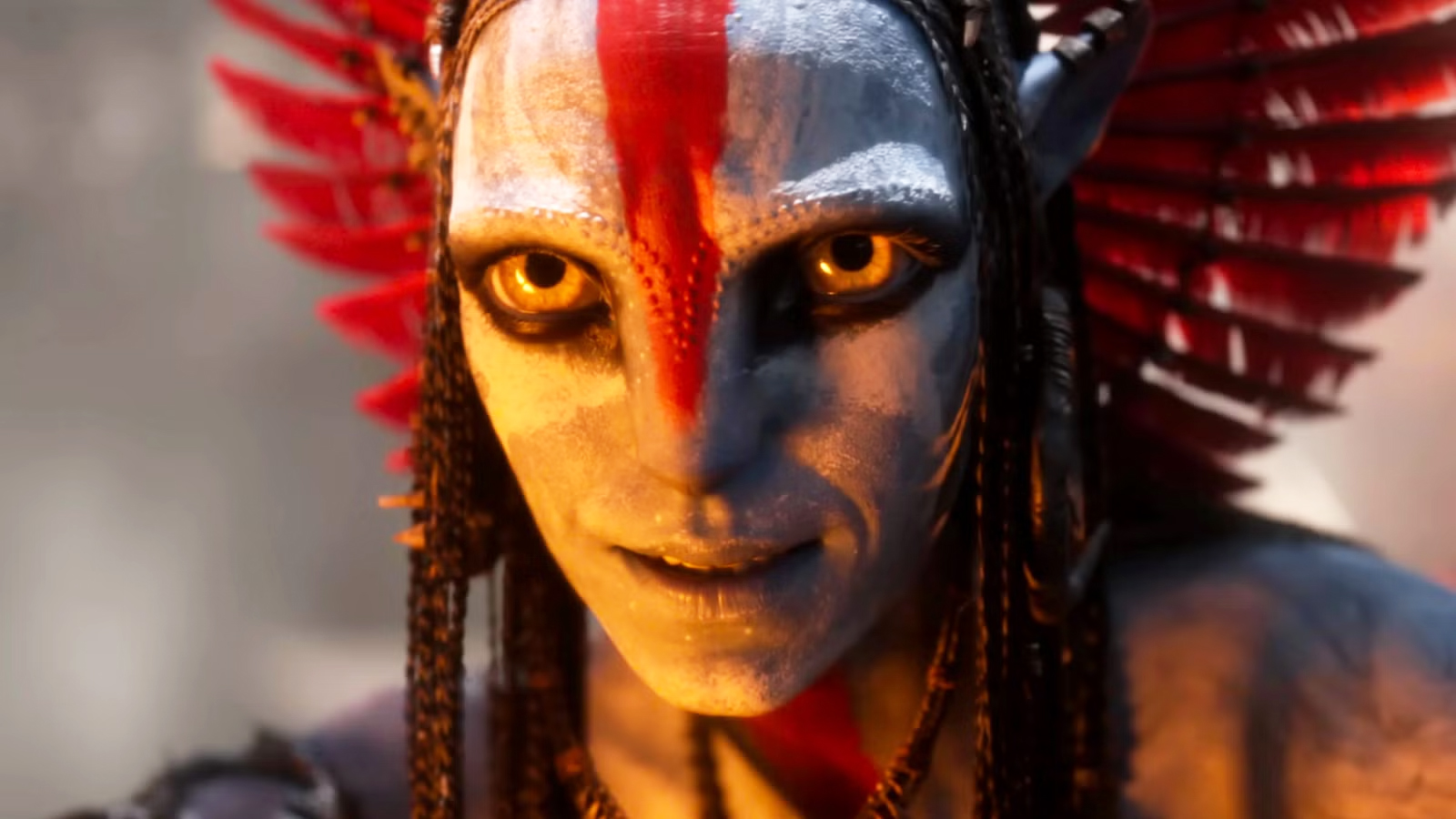
Avatar: Fire and Ash — the Hollywood blockbuster with a length of 3 hours 17 minutes.
According to cinema sources, having one lengthy film in theatres at a time is manageable. But three back‑to‑back releases of this duration is unprecedented. With limited screens, especially in single‑screen theatres and smaller markets, squeezing enough showtimes to meet demand while maximizing ticket sales and audience satisfaction is challenging.
A theatre owner noted that while Sholay’s re‑release might not immediately disrupt busy multiplexes due to its special nature and cultural value, the convergence with Dhurandhar and Avatar will require careful planning of show timings and screen allocation, especially over weekends and holiday periods.
The Fan Reaction and Cultural Significance
Sholay isn’t just another film — it’s regarded as a cornerstone of Indian cinema, a cultural phenomenon whose dialogues, music and characters have influenced multiple generations. Its release, re‑restoration and even the debate over one line reflects that status.
Fans have discussed these nuances widely on social platforms like Reddit, where some have pointed out that different versions existed historically, including uncut scenes and alternate dialogue lines from early shoots.
Meanwhile, tributes and recognition continue to pour in as part of the film’s 50‑year celebration. Even festivals such as the London Film Festival are spotlighting Sholay with screenings and retrospectives highlighting its narrative and technical innovations.
What This Means for Indian Cinema
The re‑release of Sholay — The Final Cut provides a fascinating lens into how Indian cinema both preserves its heritage and adapts to contemporary contexts. With digital restoration and renewed censor review processes, classics can reach new audiences while retaining their historical integrity.
Yet, the controversy also underscores the delicate nature of revisiting iconic works — where even seemingly minor changes to dialogue or presentation can draw scrutiny from creators and fans alike. It reflects a vibrant cinematic culture that values authenticity, respects artistic voices, and embraces legacy films as living pieces of cultural heritage.
For exhibitors, the logistical challenges of running multiple long films place a spotlight on how the traditional cinema business continues evolving — balancing commercial demands with audience expectations for both blockbuster spectacles and treasured classics.
In any case, December 2025 promises to be a landmark month for Indian and global cinema — one where audiences can relive the legend of Sholay, celebrate technical mastery with restored visuals and sound, and debate what classic cinema means for the future.
Read Also: Keep your face towards the sunshine and shadows will fall behind you
Watch Also: https://www.youtube.com/@TravelsofTheWorld24






Leave a Reply