

The upcoming comedy film Kis Kisko Pyaar Karoon 2 — starring comedian Kapil Sharma — has stirred a wave of attention lately after receiving its censor certificate from the CBFC with just one minor cut. The cut, described as the removal of an “inappropriate use of a real name,” has sparked both relief and concern from different quarters: relief that the film survived largely untouched, concern about what the decision says about sensitivity to religious humour in Indian comedy.
As per the cut list accessed by Bollywood‑media portal Bollywood Hungama, the CBFC’s Examining Committee asked the filmmakers to remove a scene early in the film where a real‑life name was used in a way deemed “inappropriate.” That was the only requested cut. No other changes were made: all dialogues, jokes or humor derived from religious or community contexts remain intact.
Despite widespread expectations — given that the film’s premise centres on a man marrying women from different religious communities — the board did not ask for removal or modification of any religion‑based jokes or interfaith humour. One source is quoted saying:
“All the dialogues related to religion and communities have been left untouched because the makers have been careful not to hurt any sentiments.”
Subsequently, after implementing the single cut, the film was cleared on November 25 and given a U/A 16+ certificate. The final certified runtime stands at 142.25 minutes — approximately 2 hours and 22 minutes.
What is Kis Kisko Pyaar Karoon 2 about — and why was this cut expected
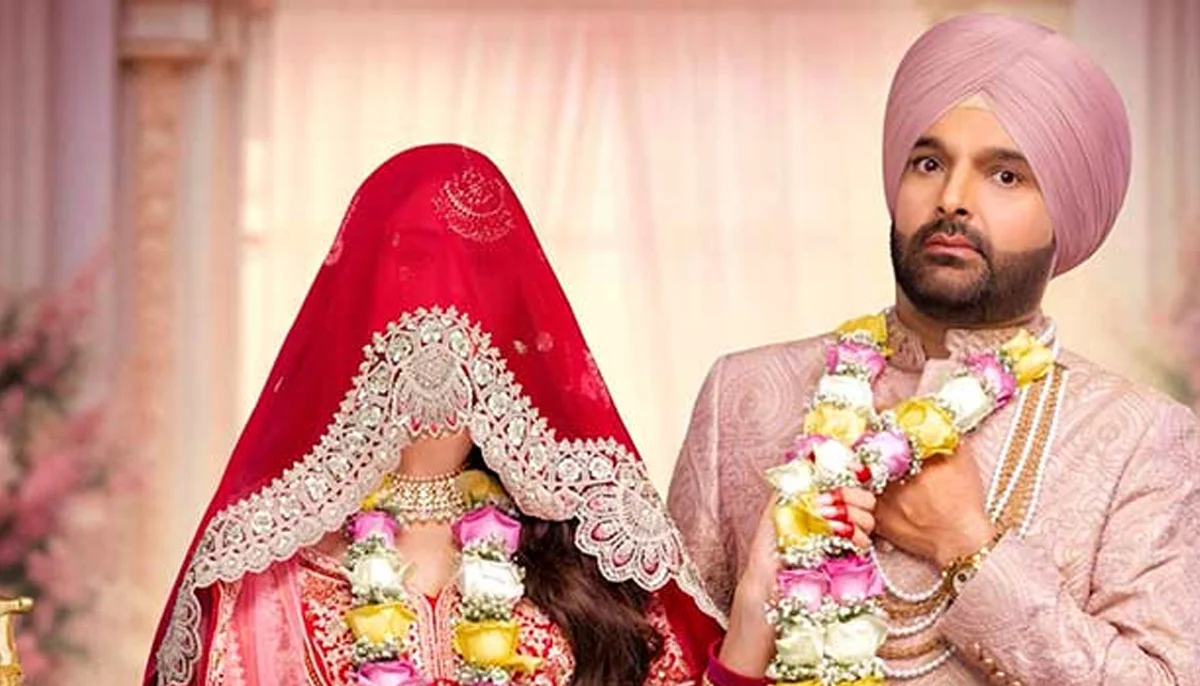
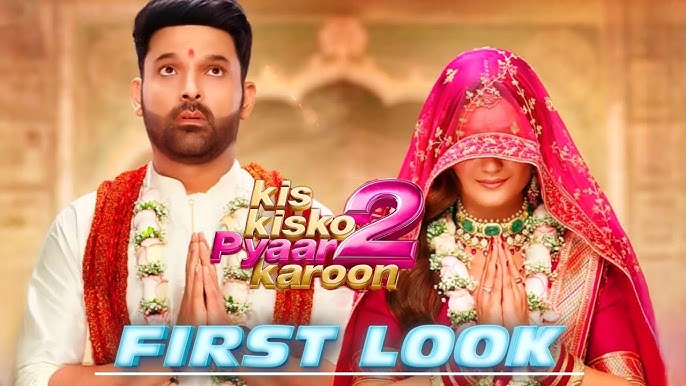
Kis Kisko Pyaar Karoon 2 is the sequel to the 2015 film Kis Kisko Pyaar Karoon. The sequel — written and directed by Anukalp Goswami — reportedly centres on a comedic yet chaotic romantic premise: the protagonist (Kapil Sharma) ends up marrying women from different religious backgrounds (Hindu, Muslim, Christian and likely more), leading to comedic misadventures.
In an interview, Goswami admitted that working on such sensitive subject matter — religion, interfaith relationships, community humour — came with its fair share of trepidations. He said that the team was “very careful not to hurt sentiments,” given today’s sensitive social climate.
Given that background, many expected the CBFC to demand multiple cuts or modifications, especially for dialogues or jokes touching on religious identities. Some critics and concerned viewers wondered whether certain comedic sequences or jokes might offend sentiments of some communities or spark backlash.
Hence, the decision to cut only a scene involving a real name — and to leave communal or religious humour untouched — came as a surprising move.
Why CBFC’s decision matters — and why it’s controversial
On one hand: creative freedom and comedic expression
-
Preserving the film’s comedic tone: By allowing all religious and community‑based humour to remain, CBFC effectively permitted the film’s creators to retain their full comedic vision. Given that the film’s premise revolves around interfaith marriages and the comedic chaos that ensues, such humour is arguably central to the film’s narrative.
-
Faith in filmmakers’ sensitivity: The CBFC reportedly appreciated that the filmmakers took care not to deliberately hurt sentiments — a gesture recognized by the board.
-
Avoiding excessive censorship: The fact that only one minor cut was required might reassure filmmakers and comedians that Indian films tackling inter‑religious themes can still get through without heavy-handed censorship — so long as they are careful. This could encourage more comedies or social‑theme films that reflect the pluralistic and diverse reality of Indian society.
On the other hand: concerns over religious sensitivity, double standards, and token censorship
-
Why only real name but not religion‑based jokes? The cut list removed only a real‑name usage, while leaving faith or community‑based jokes untouched. For many, this raises a question: why is a joke about a person’s name deemed “inappropriate,” but a joke about a religion or community considered acceptable? Some may argue that jokes about religion or inter‑faith marriages can be more sensitive than simply naming someone.
-
Risk of offending communities: Even if filmmakers claim sensitivity, humour based on religious or community stereotypes can still propagate stereotypes, hurt sentiments, or provoke public outrage — especially in a diverse country with many faiths.
-
What counts as “too much”? The decision sets a precedent: minor or personal references (names) might get cut, but broader issues — jokes about religion or community — might pass. This raises concerns about where the line is drawn, and whether it truly reflects sensitivity or oversight.
-
Censorship vs. creative expression — is the balance fair? Critics of the decision might see CBFC’s approach as inconsistent: cutting one supposedly “inappropriate” reference, while allowing potentially more inflammatory content to remain. That could lead to debates about biases, double standards, or unequal treatment in censorship.
 What the creators say — balancing humour with sensitivity
According to Anukalp Goswami, the film’s director and writer:
-
The film was conceived as a “larger‑than‑life” comedic experience — a fantasy‑comedy rather than a realistic drama. He emphasized that while the premise deals with multiple religions, the movie aims to celebrate diversity, not mock it.
-
On casting: he insisted on giving real representation — the different female characters belong to different faiths, and each actress was chosen to “justify” her role, rather than based on social media popularity or hype.
-
He acknowledged the risk of backlash given the sensitive religious themes, but stated the team was “very careful not to hurt sentiments.”
-
On humour: Goswami argued that a film like this — combining inter‑faith marriages, social difference, and comedic confusion — is something that could be made only in a country like India, where diverse communities coexist. He regrets that in the current environment, “if this film is not made in India, then it cannot be made anywhere.”
Based on these statements, it appears the creators intended the film to be a light-hearted celebration of India’s pluralism — hoping humour would unite rather than divide.
What this reflects about Bollywood, CBFC and changing social sensibilities
This entire episode — from Kis Kisko Pyaar Karoon 2’s inter‑faith premise to CBFC’s censor decision — highlights a complex dynamic in Indian cinema today:
-
Bollywood experimenting with inter‑faith themes: The fact that a mainstream comedy film is being made on the basis of a man marrying women from different religions indicates a boldness rarely seen in past decades. It suggests a willingness to engage with India’s multi‑religious reality, albeit through comedy.
-
Need for careful satire and sensitivity: Given India’s diverse, multi‑faith audience — and frequent sensitivity around religious themes — filmmakers must balance humour with respect. As Goswami said: “we were careful not to hurt sentiments.”
-
CBFC’s ambiguous standards: By cutting a real‑name joke but allowing religious humour, the CBFC’s decision raises questions about what is considered “inappropriate.” The inconsistency may point to a broader challenge: regulators often struggle to define objective criteria around humour, religion, and offence.
-
Audience fatigue and tolerance: In liberal and cosmopolitan sections of the audience, there may be more openness to inter‑faith comedies — as long as they are handled with a sense of fairness and avoid caricature or insult. Films like this test that tolerance.
-
A test for future films: This outcome may embolden more filmmakers to explore religion‑based or inter‑faith stories with comedy or drama, provided they handle them sensitively. It may also sharpen debates about censorship, freedom of expression, and the role of humour in social commentary.
 What to watch out for — and what the film’s release could reveal
When Kis Kisko Pyaar Karoon 2 finally releases (slated for December 12, 2025), several things will be worth noting:
-
Audience reaction: Will people from different religious backgrounds find the humour acceptable and in good taste — or will there be backlash? The nature of reviews and public reaction will be telling.
-
Box‑office performance vs. criticism: If the film does well commercially, despite potential criticism, it might embolden more inter‑faith or socially sensitive comedies. If it flops badly, the producers might shy away from similar themes.
-
Media and social‑media response: Considering social media’s sensitivity and ability to amplify controversies, even minor jokes or scenes might spark debates — or controversy — beyond just film critics.
-
Future censor decisions: This film may set a precedent — either making it easier for other films to pass with religious humour, or inviting stricter scrutiny if there’s backlash. The CBFC’s next moves will be closely watched.
-
Creative approach for sensitive topics: Filmmakers may take cues from this release: balancing humor, representation, and sensitivity. That might influence how religion-based comedies — or even socially relevant films — are crafted going forward.
Conclusion — A tightrope walk between laughter and sensibilities
Kis Kisko Pyaar Karoon 2’s journey to the theatres — with only a single “real‑name” cut and all religion‑based humour intact — underscores the delicate balance in Indian cinema today. On one hand, the decision affirms creative freedom and the possibility of making bold, inter‑faith comedies that reflect the country’s diversity. On the other, it raises legitimate questions about sensitivity, stereotypes, and where satire can slip into offence.
For the filmmakers, the message seems clear: one can joke about religion — as long as it’s done carefully, with an effort to respect communities. For the censor board, the decision reveals a discretion that seems guided not by rigid rules, but by a contextual assessment of content, tone, and perceived offence.
Ultimately, the film’s reception will prove whether the gamble pays off — whether audiences laugh, relate, and celebrate the idea of a plural India with humour; or whether they bristle at jokes touching on identity and faith. Either way, Kis Kisko Pyaar Karoon 2 will be a test case for the future of interfaith comedy in Bollywood.
Read Also: Keep your face towards the sunshine and shadows will fall behind you
Watch Also: https://www.youtube.com/@TravelsofTheWorld24











Leave a Reply