
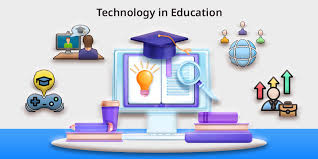
The integration of technology into education has transformed the way students learn, teachers instruct, and institutions operate. From digital classrooms to online learning platforms, technology has expanded access to knowledge, enhanced engagement, and fostered personalized learning experiences. However, like any tool, technology also presents challenges and drawbacks that must be considered to maximize its benefits. Understanding the importance, applications, and limitations of technology in education is essential for students, educators, policymakers, and society at large.
1. Importance of Technology in Education
Technology has become a cornerstone of modern education due to its ability to improve efficiency, accessibility, and the overall learning experience.
-
Enhanced Learning Experience: Interactive tools, multimedia content, and virtual simulations make learning more engaging and effective. Students can visualize complex concepts, participate in virtual labs, and use interactive applications to deepen understanding.
-
Access to Information: The internet provides access to an unprecedented amount of educational resources. Students and educators can explore online libraries, research databases, tutorials, and lectures from around the world, breaking geographical and economic barriers.
-
Personalized Learning: Adaptive learning platforms use algorithms to assess student performance and provide customized content. This approach allows learners to progress at their own pace and focus on areas requiring improvement.
-
Skill Development: Technology equips students with digital literacy and technical skills that are increasingly necessary in today’s workforce. Familiarity with software tools, coding, data analysis, and online collaboration prepares learners for future careers.
-
Global Collaboration: Online platforms facilitate collaboration between students and educators worldwide. Through virtual projects, discussion forums, and global classrooms, students gain exposure to diverse perspectives and cultural understanding.
2. Applications of Technology in Education
The applications of technology in education are vast and continuously evolving. Some of the most significant include:
a) Online Learning Platforms
Platforms like Coursera, Khan Academy, Udemy, and edX provide access to courses across disciplines, enabling students to learn from top universities and experts. Online learning is flexible, scalable, and accessible to learners from various backgrounds.
b) Virtual Classrooms and Video Conferencing
Tools like Zoom, Microsoft Teams, and Google Meet allow real-time interaction between teachers and students. Virtual classrooms facilitate remote learning, maintain educational continuity during crises, and support hybrid learning models.
c) Digital Assessment and Feedback
Technology enables efficient assessment through online quizzes, automated grading, and learning analytics. Educators can track student progress, identify strengths and weaknesses, and provide timely feedback to improve performance.
d) Educational Apps and Software
From language learning apps to simulation software, educational applications enhance engagement and understanding. Tools like Duolingo, GeoGebra, and PhET Interactive Simulations make abstract concepts accessible and enjoyable.
e) Gamification and Interactive Learning
Incorporating game elements into education increases motivation and participation. Gamified platforms reward progress, encourage problem-solving, and create a more immersive learning environment.
f) Artificial Intelligence and Adaptive Learning
AI-driven systems analyze student performance and provide personalized content. These systems can predict learning outcomes, recommend resources, and identify areas requiring additional support, making education more tailored and effective.
g) Learning Management Systems (LMS)
Platforms like Moodle, Blackboard, and Google Classroom help organize courses, track assignments, and facilitate communication between students and teachers. LMS streamlines administrative tasks and enhances collaboration.
3. Benefits of Technology in Education
The integration of technology in education offers multiple benefits for learners, educators, and institutions:
-
Flexibility and Convenience: Students can access learning materials anytime and anywhere, promoting self-paced learning and lifelong education.
-
Engagement and Motivation: Interactive content, multimedia, and gamification increase student interest and participation.
-
Collaboration and Communication: Technology supports group projects, discussion forums, and peer-to-peer learning, enhancing teamwork and social skills.
-
Efficiency and Productivity: Automation of administrative tasks, grading, and content delivery saves time for educators, allowing them to focus on teaching and mentoring.
-
Bridging Educational Gaps: Technology can help address disparities in education by providing access to quality resources for students in remote or underprivileged areas.
4. Drawbacks and Challenges of Technology in Education
Despite its advantages, technology in education also presents significant drawbacks that must be managed effectively:
a) Digital Divide
Not all students have equal access to technology. Socioeconomic disparities, lack of infrastructure, and limited internet connectivity can create inequities in learning opportunities.
b) Distraction and Overreliance
Excessive use of technology can lead to distractions, such as social media, gaming, or unrelated online activities. Overreliance on technology may also reduce critical thinking and problem-solving skills if not integrated properly.
c) Technical Issues
Technical failures, software glitches, and connectivity problems can disrupt learning, especially in online or hybrid environments. Educators and students must be prepared to handle these challenges.
d) Privacy and Security Concerns
The use of online platforms and digital tools raises concerns about data privacy, cyberbullying, and unauthorized access. Institutions must implement robust security measures to protect sensitive information.
e) Reduced Social Interaction
While technology enables virtual communication, it may reduce face-to-face interactions and the development of social skills. Overdependence on digital platforms can impact emotional intelligence and interpersonal relationships.
f) High Costs and Maintenance
Implementing and maintaining technological infrastructure, devices, and software can be expensive for educational institutions, especially in developing regions. Continuous updates and training are also necessary to ensure effectiveness.
5. Strategies for Effective Technology Integration
To maximize the benefits of technology in education while minimizing drawbacks, stakeholders can adopt the following strategies:
-
Equitable Access: Ensure all students have access to devices, internet connectivity, and digital resources. Governments and institutions can provide subsidies, digital libraries, and community centers.
-
Teacher Training: Educators must be trained to effectively integrate technology into teaching, manage digital classrooms, and utilize educational software.
-
Balanced Approach: Combine traditional teaching methods with technology to maintain interpersonal interaction, critical thinking, and practical skills.
-
Digital Literacy and Awareness: Teach students about responsible technology use, cyber safety, and ethical online behavior.
-
Monitoring and Evaluation: Continuously assess the effectiveness of technological tools, platforms, and content to ensure they meet learning objectives.
-
Maintenance and Support: Provide technical support, regular updates, and infrastructure maintenance to prevent disruptions in learning.
6. Future Trends in Educational Technology
The future of education will be increasingly shaped by technological advancements:
-
Artificial Intelligence: AI will continue to enhance personalized learning, predictive analytics, and intelligent tutoring systems.
-
Virtual Reality (VR) and Augmented Reality (AR): Immersive learning experiences will allow students to explore simulations, historical events, and scientific phenomena interactively.
-
Gamification: Game-based learning will become more sophisticated, motivating students and improving retention.
-
Blockchain Technology: Blockchain can be used for secure record-keeping of academic credentials and certificates, preventing fraud.
-
Adaptive Learning Platforms: Continuous evolution of adaptive systems will provide customized pathways for each student, optimizing learning outcomes.
7. Conclusion
Technology in education has revolutionized how knowledge is delivered, accessed, and consumed. It offers unprecedented opportunities for engagement, personalized learning, and skill development while enhancing collaboration and efficiency. However, it also presents challenges such as digital divides, overreliance, privacy concerns, and potential social isolation.
To fully benefit from technology, educational institutions, teachers, students, and policymakers must adopt a balanced approach that integrates digital tools thoughtfully, ensures equitable access, and promotes responsible use. By combining innovation with awareness and planning, technology can become a powerful catalyst for educational excellence, lifelong learning, and global knowledge sharing.
Read Also: Keep your face towards the sunshine and shadows will fall behind you
Watch Also: https://www.youtube.com/@TravelsofTheWorld24








Leave a Reply