
One of the most iconic declarations of human ambition — Star Trek’s immortal line “To boldly go where no man has gone before” — captured the spirit of exploration, curiosity, and human daring.
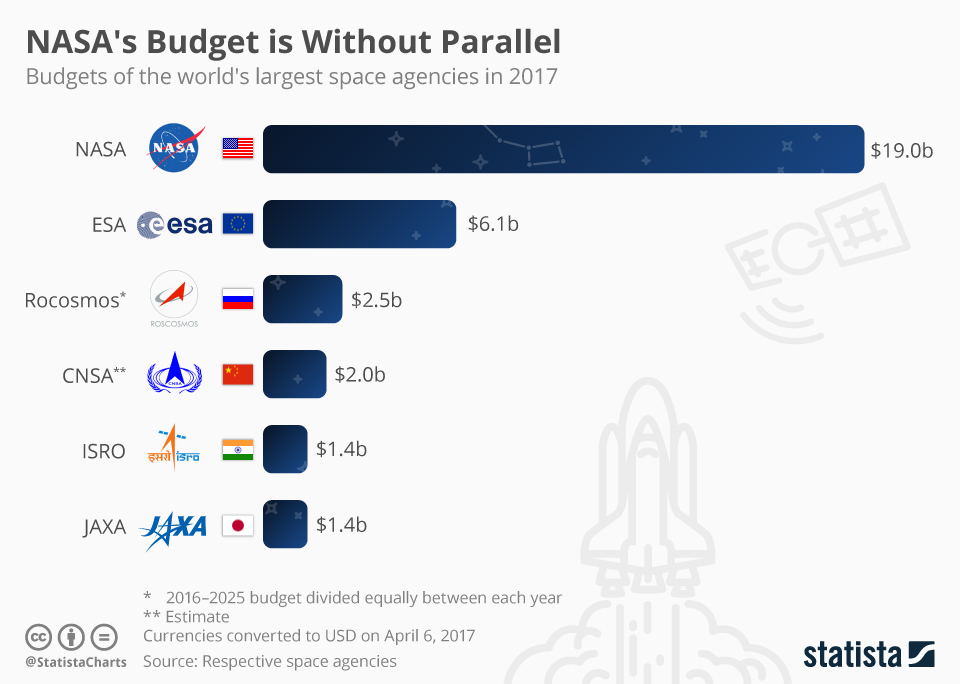
But what happens when institutions attempt to live up to that ideal without the resources, planning, or realistic budgeting to sustain it? What if “going where no space budget has gone before” becomes a rallying cry — not for vision, but for overreach, poor planning, and financial mismanagement?
This essay examines how space exploration — in particular by NASA — has at times crossed from noble ambition into risky overcommitment, why that happens, and what lessons we can draw for the future.
The Allure of Space: Dreams Worth the Cost
Why We Keep Reaching
Space exploration embodies some of humanity’s highest aspirations: discovery, science, technological progress, prestige, and — for many — a vision of a future beyond Earth.
From the early days of the Cold War space race to modern plans for lunar bases and Mars missions, the promise of knowledge, global leadership, and inspiration has consistently driven agencies and governments to invest heavily in space.
However, ambition often collides with reality. Serious space missions require massive budgets, long timelines, and substantial risk. And over decades, many programs have struggled to balance the dream with the cost.
Space Budgets — The Crash Canyon of Promises vs Reality
Frequent Budget Overruns and Delays
Historically, space missions tend to suffer from cost overruns, scheduling delays, and shifting goals. A 2009 review by a government watchdog agency found that many major civilian space programmes — not just at NASA but across the sector — were over budget and behind schedule.
One widely discussed example is Boeing Starliner. As of 2025, the Starliner program has reportedly exceeded its original budget by more than US$2 billion, reflecting serious financial overshoot.
Such overruns are not just accounting errors; they often result from underestimated technical challenges, changing requirements, ambitious design goals, and long‑term structural problems in planning and execution cycles.
The Problem with Unique (“Bespoke”) Projects
One recurring issue is that many space missions are “bespoke” — custom, one-off projects built from the ground up. While this can lead to innovation, it also carries high risk. A recent analysis comparing bespoke vs. repeatable “platform” strategies argued that bespoke designs tend to be costlier, slower, and more prone to failure than platforms built for reuse and scalability.
When agencies continuously chase the “first time ever” — a new rocket, a new spacecraft, a new mission profile — they must also be prepared for rising costs, delays, and uncertain outcomes. Without strict budget discipline or fallback plans, these become vulnerabilities.
Political and Institutional Pressures
Space ambitions often become entangled with national prestige, political goals, and institutional momentum. Once a mission is announced — especially a high-profile one — it becomes difficult to cancel, even when budgets balloon.
As one congressional review warned, by the time cost and feasibility concerns became clear, funding commitments were already baked into policy. Projects moved forward not because they were sound, but because backing down would mean admitting defeat.
This institutional inertia can transform vision into overcommitment — where budgets become “hope budgets,” not realistic estimates.
When the Dream Outruns the Budget — Real Consequences
When space agencies overreach financially, the consequences ripple beyond the mission itself.
Program Cuts, Delays, or Cancellations
Budget overruns often lead to delays or cancellation of missions — sometimes with major scientific or exploratory potential. Researchers may lose funding, staff may be laid off, and years of planning and expectation can be erased.
The mismatch between aspiration and budget also erodes public trust. Space exploration relies on both taxpayer support and public enthusiasm; when programmes repeatedly fall behind schedule and overrun costs, that support can wane.
Impact on Science and Innovation
When too much funding is allocated to a few grand missions, smaller but scientifically valuable projects — such as Earth observation satellites, climate monitoring, or space‑science research — may get underfunded or cut entirely. The opportunity cost is significant.
Moreover, the culture of “big firsts” may discourage incremental innovation — platforms, repeatable designs, and systems engineering — in favor of headline-grabbing but risky projects.
Wasted Resources — Human, Financial, and Moral
Failures or overruns waste not just money, but human resources, institutional goodwill, and public credibility. The burden often falls on taxpayers or future budget cycles.
Worse, when mission failures become normalized, it can undermine support for future exploration — even for genuinely viable and important programmes.
Why “Dumbly Going” Happens: Underlying Causes
1. Over-Optimism and Underestimation
Designers, scientists, and policymakers often underestimate complexity. The optimism that drives space ambitions can blind planners to the technical, financial, and logistical challenges ahead.
2. Lack of Platform Mindset
Choosing custom designs over reusable, modular platforms increases risk and cost. Without reuse and standardization, every new mission becomes a unique challenge.
3. Institutional and Political Pressure
Once a mission is announced — especially with high visibility — backing out is politically difficult. Agencies may overpromise to secure approval and funding, then face budget shortfalls later.
4. Misaligned Incentives
Contractors and agencies may be rewarded for ambitious proposals and first‑time achievements — not necessarily for staying within budget or delivering sustainable results.
5. Changing Priorities & Scope Creep
Over time, mission requirements can expand. What began as a simple goal — e.g., orbit Earth or study Mars — can evolve into multi-phase, multi-objective programmes with inflated scope and cost.
Lessons from History: Smarter Pathways in Space Exploration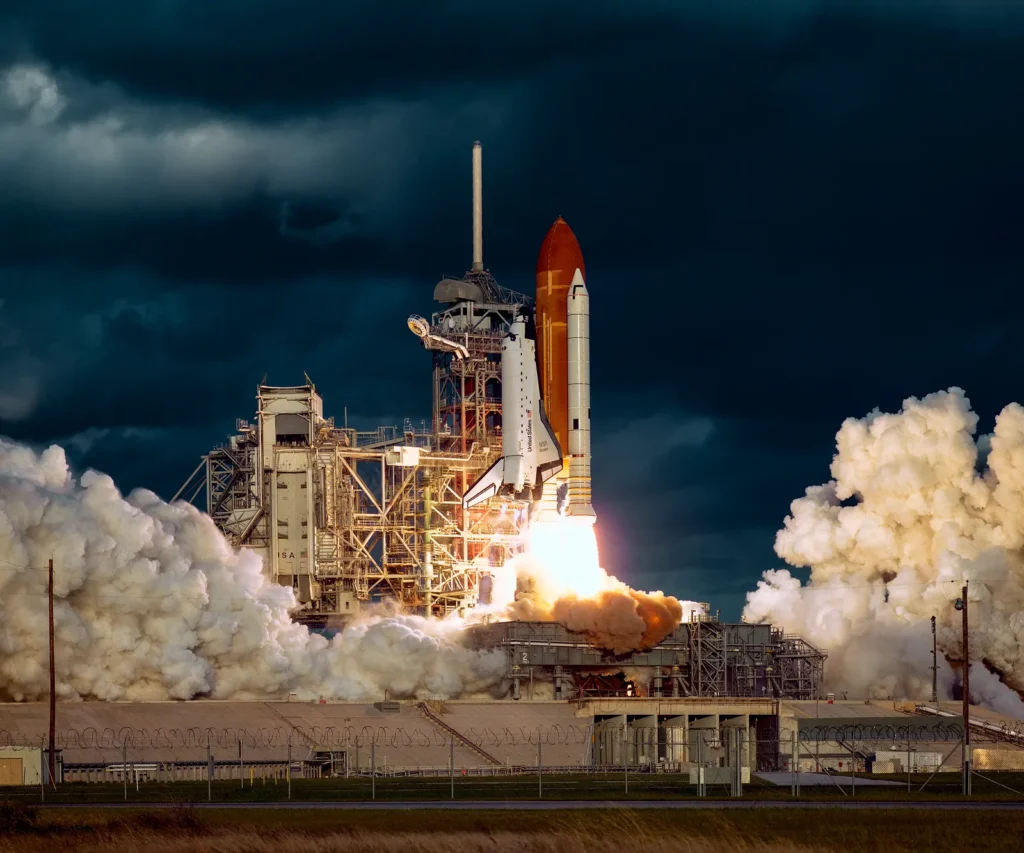
Despite the recurring problems, there are signs that the space community is learning — and evolving.
Embrace Platform and Repeatable Design
Instead of unique, one-off missions, space agencies and private entities are increasingly favouring reusable rockets, modular spacecraft, and scalable infrastructure. This reduces cost, risk, and dependence on new designs for each mission. Evidence suggests platform-based strategies tend to be cheaper, faster, and more reliable than bespoke projects.
Rather than only shooting for high-profile missions (like moon landings or manned Mars trips), supporting smaller, more frequent science objectives — like satellite constellations, Earth monitoring, small probes — can yield steady returns and broader scientific benefit.
Realistic Budgeting & Risk Assessment
Budget planning must account for realistic contingencies — technological difficulties, delays, maintenance, long-term support. Transparent assessments, external reviews, and conservative projections can all help keep programs grounded.
Better Public Communication & Expectation Management
Space agencies should communicate not just their dreams, but the risks, trade‑offs, and uncertainties. Honesty about cost, failure chance, and long timelines builds public trust and keeps support more durable.
Collaboration, International & Public–Private Partnerships
Pooling resources, sharing risk, coordinating with other agencies or private partners can distribute cost, reduce duplication, and balance ambition with practicality. International cooperation has often helped sustain space science when budgets tightened.
When “To Dumbly Go” Might Actually Pay Off — with Eyes Wide Open
There are moments when pushing boundaries — even at risk — might be justifiable. But that only works if it’s done with eyes open, honest analysis, and fallback plans.
-
If a mission offers transformative potential — e.g., enabling future space infrastructure, advancing science significantly, or opening new capabilities — it may warrant high risk.
-
If long-term investments (e.g., reusable vehicles, in‑space manufacturing, orbital infrastructure) have potential return beyond a single mission.
-
If there’s strong public support, international cooperation, and diversified funding — making cost burdens and risks more manageable.
In such cases, the “bold leap” may be worth it. But it requires discipline, transparency, and humility.
Why We Should Care — Beyond Space Agencies
The debate over space budgets isn’t just a specialized concern of scientists and space junk enthusiasts. It reflects a broader challenge in human ambition: how to balance dreams and resources, vision and realism, risk and reward.
-
For taxpayers and citizens: Pressure for fiscal responsibility, transparency, and value for money matters.
-
For future scientists and engineers: Understanding realistic constraints helps design sustainable innovation, not just flashy failures.
-
For society at large: Space programs offer inspiration, but also opportunity cost — we must ensure they deliver more than just spectacle.
In an age of climate crisis, inequality, and global instability, the resources we commit to space reflect our values. If we go “dumbly,” we risk wasting precious time and money. If we go wisely — balancing ambition with realism — we may build a better future.
Conclusion: Better to “Boldly” Than “Dumbly,” But Only With Wisdom
“To boldly go where no man has gone before” remains a powerful and noble ideal.
But in practice, that ideal must be matched with realistic planning, responsible budgeting, and strategic foresight. Without these, the drive to explore space can morph into a reckless pursuit of prestige — expensive, uncertain, and ultimately unsustainable.
By learning from past failures (overruns, delays, cancellations), embracing platform‑based approaches, emphasizing science and practicality over spectacle, and managing expectations transparently — the space community can still achieve greatness.
Because if humanity is to truly explore, innovate and expand beyond Earth, we must not just reach for the stars — we must also know how to build the ladder responsibly.
If you like — I can also prepare 10 historical examples of space missions where ambition outpaced budget, showing clear wins and failures, to illustrate this essay further.
Read Also: Keep your face towards the sunshine and shadows will fall behind you
Watch Also: https://www.youtube.com/@TravelsofTheWorld24













Leave a Reply