
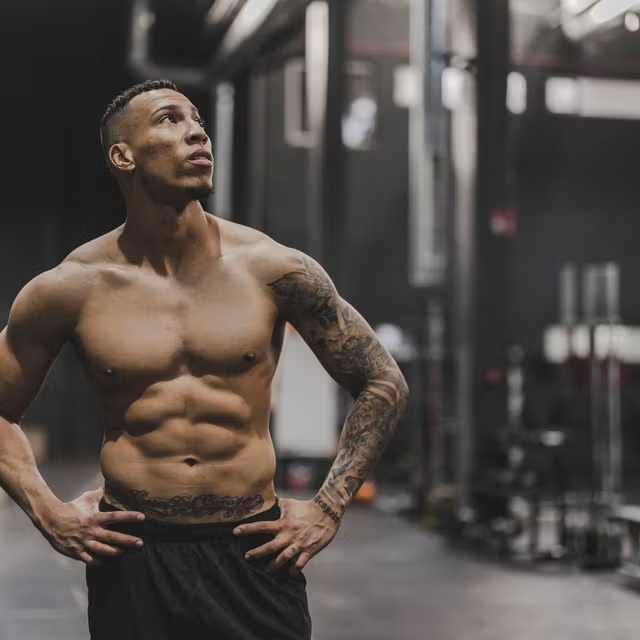
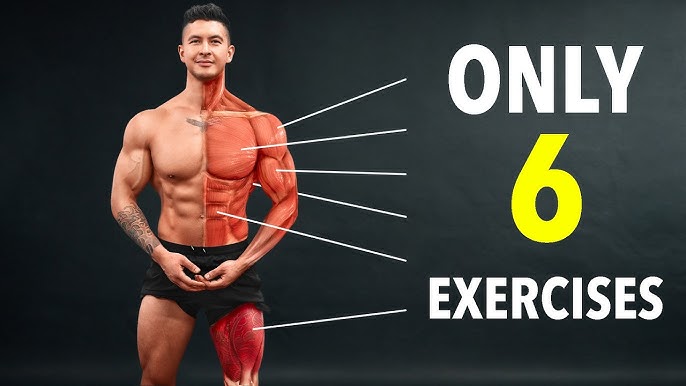
Building a muscular, well-defined physique isn’t just about lifting heavy weights randomly—it’s about targeting key muscle groups strategically. By focusing on the right 11 muscles, you can enhance your overall appearance, improve strength, and create a balanced, powerful physique.
Whether you’re a beginner or an experienced lifter, this guide will show you which muscles to train, why they matter, and the best exercises to maximize size and definition.1. Chest (Pectorals)
The chest is often the first muscle people notice. Well-developed pectorals give your upper body a broader, more powerful look.
Key Exercises:
-
Bench Press (Flat, Incline, Decline)
-
Dumbbell Flyes
-
Push-Ups
-
Cable Crossovers
Training Tip: Focus on controlled movements and a full range of motion to maximize muscle fiber activation.
2. Back (Lats and Trapezius)
A wide, V-shaped back makes your upper body appear larger. The lats (latissimus dorsi) create width, while traps add thickness to the upper back.
Key Exercises:
-
Pull-Ups and Chin-Ups
-
Lat Pulldowns
-
Barbell and Dumbbell Rows
-
Shrugs for Trapezius
Training Tip: Mind-muscle connection is crucial—focus on squeezing your back muscles with each rep.
3. Shoulders (Deltoids)
Broad, rounded shoulders make your physique look more muscular. All three deltoid heads (anterior, lateral, posterior) should be trained.
Key Exercises:
-
Overhead Press
-
Lateral Raises
-
Front Raises
-
Rear Delt Flyes
Training Tip: Avoid excessively heavy weights for lateral and rear raises; form is more important than load.
4. Biceps
Biceps contribute to arm size and aesthetics. While they’re often emphasized for looks, strong biceps also aid pulling movements.
Key Exercises:
-
Barbell and Dumbbell Curls
-
Hammer Curls
-
Preacher Curls
-
Cable Bicep Curls
Training Tip: Use a controlled tempo—don’t swing the weights—to maximize tension.
5. Triceps
Triceps make up the majority of your upper arm mass. Well-developed triceps create a thicker, more muscular arm appearance.
Key Exercises:
-
Tricep Pushdowns
-
Dips
-
Skull Crushers
-
Close-Grip Bench Press
Training Tip: Focus on full extension and controlled lowering for optimal growth.
6. Forearms
Forearms enhance grip strength and add to overall arm definition. Neglecting forearms can leave your arms looking incomplete.
Key Exercises:
-
Wrist Curls and Reverse Wrist Curls
-
Farmer’s Carries
-
Pull-Ups
-
Rope Climbing or Rope Pulls
Training Tip: Strong forearms improve performance in other lifts like deadlifts and rows.
7. Abs (Rectus Abdominis and Obliques)
Visible abs are a sign of low body fat and muscular development. Strong abs also stabilize your core for heavy lifts.
Key Exercises:
-
Planks and Side Planks
-
Hanging Leg Raises
-
Cable Woodchoppers
-
Bicycle Crunches
Training Tip: Train your abs 2–3 times per week, combining core stability and rotational movements.
8. Quads (Quadriceps)

Thick, muscular legs enhance the overall balance of your physique. Quads contribute significantly to leg size and power.
Key Exercises:
-
Squats (Back, Front, Goblet)
-
Lunges
-
Leg Press
-
Bulgarian Split Squats
Training Tip: Prioritize depth and control—full range of motion activates more muscle fibers.
9. Hamstrings
Hamstrings complement quads, create leg balance, and improve athletic performance. Neglecting them can lead to injury and uneven development.
Key Exercises:
-
Romanian Deadlifts
-
Hamstring Curls (Machine or Stability Ball)
-
Glute-Ham Raises
-
Good Mornings
Training Tip: Stretch hamstrings regularly to maintain flexibility and prevent tightness.
10. Glutes
Strong glutes enhance posture, athletic power, and overall aesthetics. Well-developed glutes add size and proportion to your lower body.
Key Exercises:
-
Hip Thrusts
-
Squats and Lunges
-
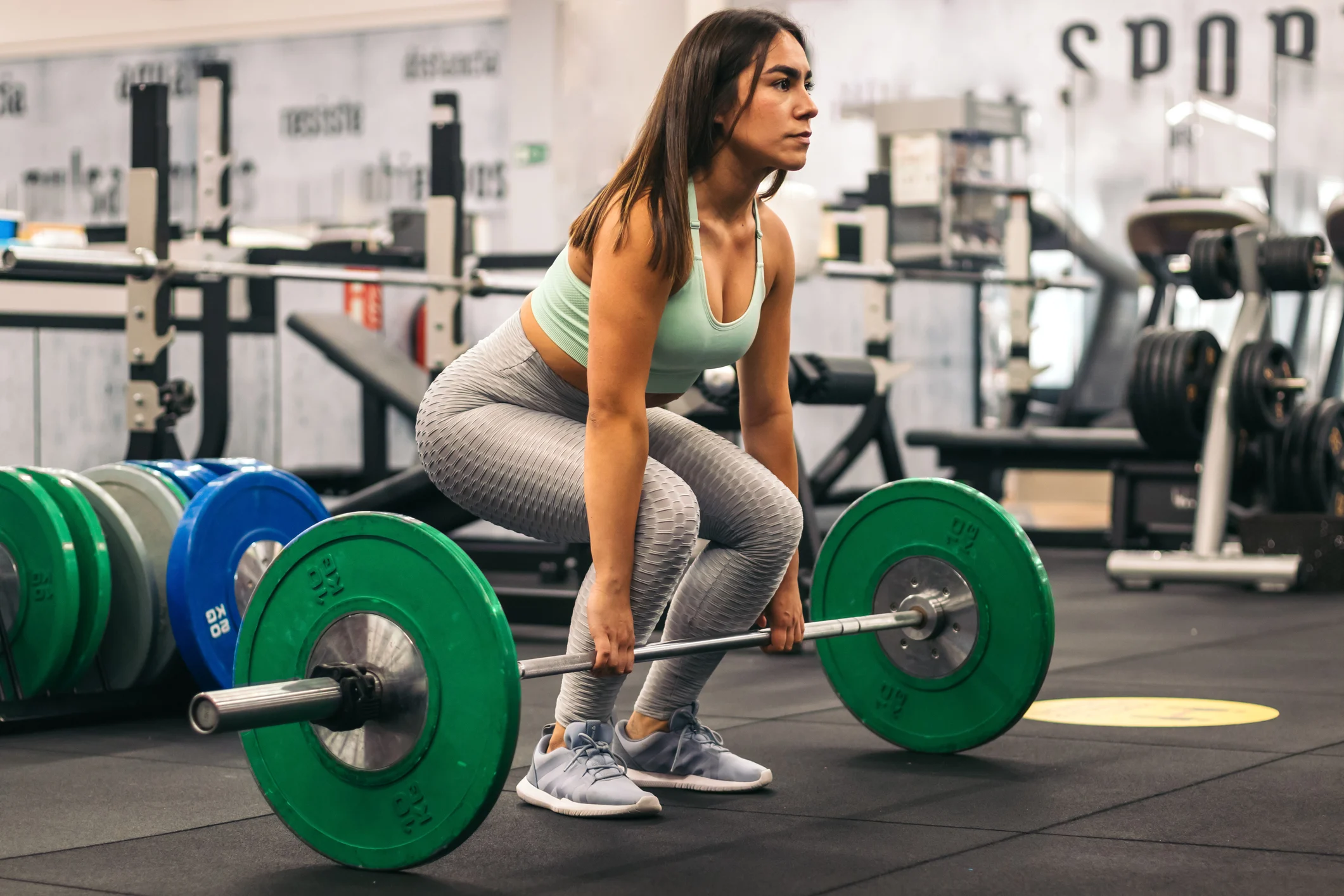
Deadlifts
-
Glute Kickbacks
Training Tip: Focus on squeezing glutes at the top of each movement to maximize activation.
11. Calves (Gastrocnemius and Soleus)
Calves complete the lower-body look, making legs appear more proportioned and athletic.
Key Exercises:
-
Standing Calf Raises
-
Seated Calf Raises
-
Jump Rope
-
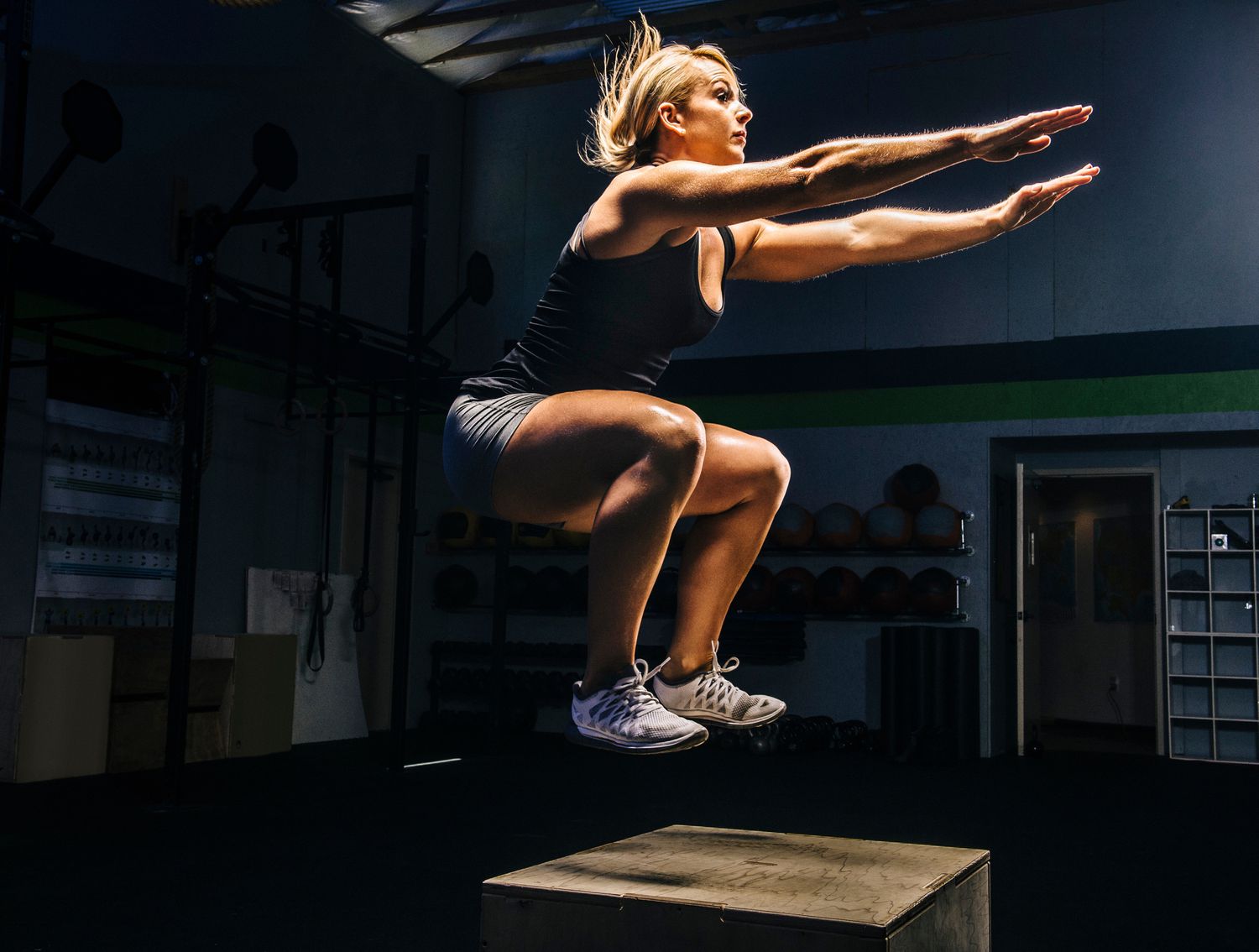
Box Jumps
Training Tip: Train calves with high repetitions and controlled movements—these muscles respond well to volume.

Putting It All Together: A Balanced Training Plan
For maximum size and aesthetics, incorporate these principles:
-
Compound Movements First: Prioritize multi-joint exercises like squats, deadlifts, presses, and rows.
-
Isolation Exercises for Detail: Use curls, flyes, and extensions to enhance definition.
-
Progressive Overload: Gradually increase weight, reps, or sets to challenge muscles.
-
Frequency: Train each major muscle 2–3 times per week with sufficient recovery.
-
Nutrition: Protein-rich diet with balanced carbs and fats supports muscle growth.
-
Rest and Recovery: Sleep 7–9 hours per night and schedule rest days to prevent overtraining.
Additional Tips for Muscle Growth
-
Mind-Muscle Connection: Focus on feeling each muscle work during exercises.
-
Variety: Rotate exercises every 6–8 weeks to prevent plateaus.
-
Form Over Weight: Proper technique maximizes gains and reduces injury risk.
-
Track Progress: Keep a log of lifts, reps, and body measurements to monitor improvement.
Conclusion
Building a muscular, balanced physique requires targeting the right muscles consistently. By training the 11 key muscle groups—chest, back, shoulders, biceps, triceps, forearms, abs, quads, hamstrings, glutes, and calves—you can enhance your overall size, strength, and aesthetics.
Remember, consistency, proper form, and progressive overload are essential. Combine training with adequate nutrition, rest, and recovery, and you’ll see tangible results over time. By following this comprehensive approach, you can sculpt a bigger, stronger, and more muscular body while minimizing the risk of injury.
Read Also: The Race to 300 mph: Will Hennessey or Koenigsegg Break the Speed Record in 2025?
Watch Also: https://www.youtube.com/@TravelsofTheWorld24


Leave a Reply