

 When people think of aerobic classes, they usually picture upbeat music, energetic movements, and a room full of motivated participants following an instructor’s rhythm. What often gets overlooked, however, is that aerobic exercise does far more than strengthen your heart or burn calories—it also enhances your cognitive abilities, sharpening skills like analysis, creativity, focus, and decision-making.
As modern life demands quick thinking, mental flexibility, and constant problem-solving, aerobic classes offer an unexpected but powerful way to boost your brain. They create the perfect blend of movement, music, and mental engagement that leads to dramatic improvements in cognitive performance.
This article explores how and why aerobic classes can make you a better problem solver—physically, neurologically, emotionally, and socially.
1. Aerobic Exercise Supercharges the Brain
Most people know aerobic exercise improves cardiovascular health, but fewer realise just how deeply it influences brain function. During aerobic activity, the heart pumps more blood and oxygen to the brain, creating the perfect environment for sharper thinking.
How this supports problem solving:
-
Enhanced brain oxygenation boosts clarity and concentration
-
Increased blood flow fuels neural activity
-
Improved glucose metabolism gives the brain consistent energy
-
Hormonal responses elevate mental alertness
In short, aerobic classes give your brain exactly what it needs to think faster, more clearly, and more strategically.
2. Aerobic Classes Boost Neuroplasticity

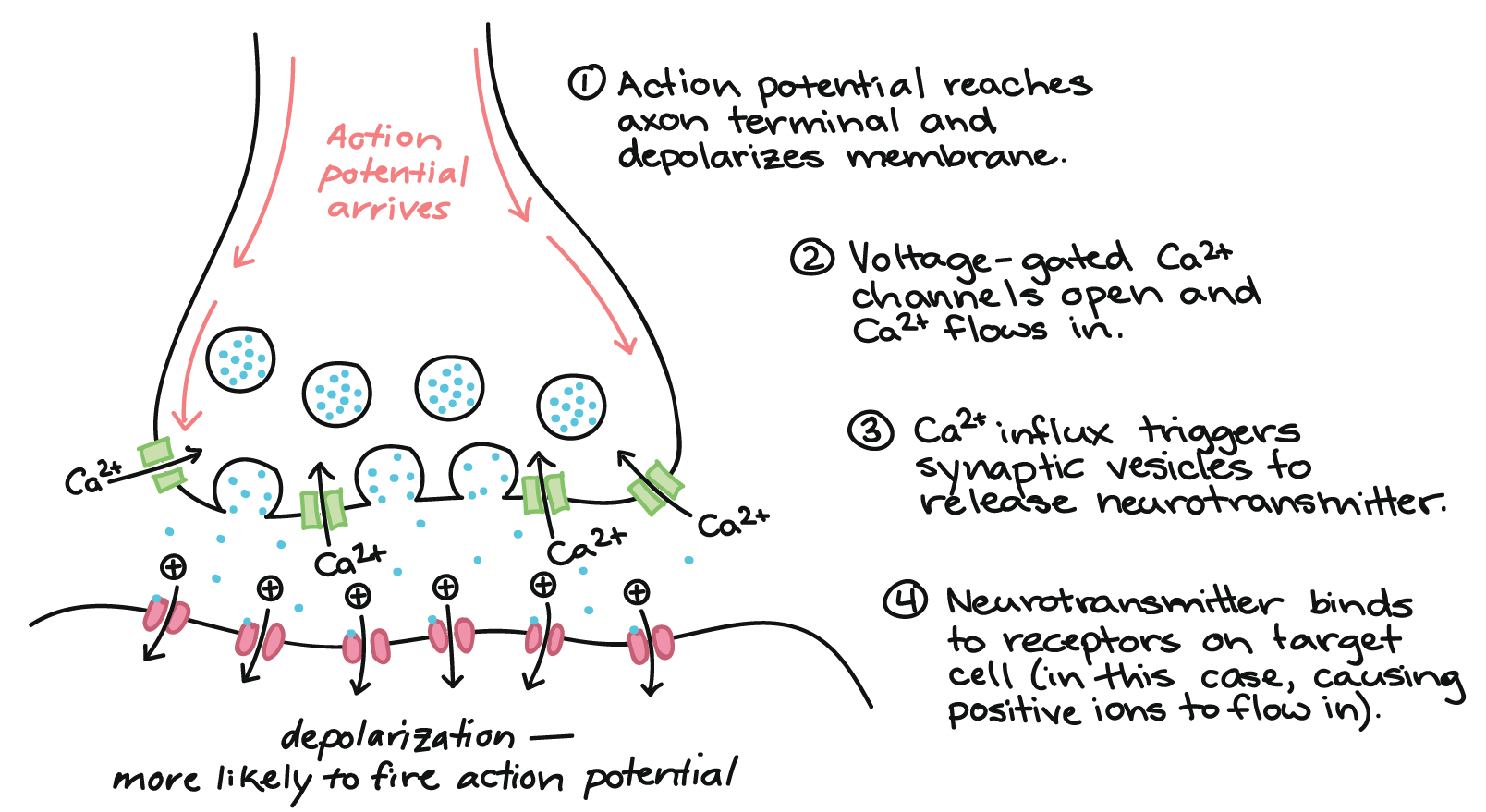
Aerobic workouts can stimulate neuroplasticity, the brain’s ability to form new neural connections. This is the foundation of learning, adaptability, memory, and skilled problem solving.
Why this matters:
-
You adapt to new challenges more easily
-
You learn new skills faster
-
You become more resilient to stress
-
You can break old thinking patterns
In an aerobic class, constant movement patterns—such as step combinations, dance sequences, or rhythmic changes—force the brain to constantly rewire, strengthening its ability to handle complex mental tasks outside the studio.
3. Improved Mood = Improved Problem Solving
Aerobic exercise significantly increases the production of endorphins, dopamine, and serotonin—all essential neurotransmitters for cognitive efficiency.
Better mood leads to:
-
Sharper focus
-
Higher motivation
-
Greater creativity
-
Better decision-making
-
Lower emotional reactivity
When you feel good, you think better. Aerobic classes create a mental state where solutions come naturally instead of feeling forced.
4. Aerobic Classes Reduce Stress and Mental Clutter
Stress is one of the biggest barriers to effective problem-solving. It restricts cognitive flexibility, narrows perspective, and overloads the mind with emotional distraction.
Aerobic classes actively counter this by:
-
Lowering cortisol levels
-
Regulating the nervous system
-
Relaxing the muscles
-
Releasing tension through movement and breathing
-
Creating a mental “reset” effect
After a session, the mind is clearer, quieter, and more open to working through challenges.
5. Movement Enhances Creative Thinking
Many studies show that physical movement enhances creativity, especially rhythmic movement. Aerobic classes create a dynamic environment where the body moves instinctively, allowing the mind to wander into creative territory.
How aerobic classes boost creative problem-solving:
-
Repetitive movement encourages imaginative thinking
-
Music stimulates the brain’s associative networks
-
Group energy inspires new ideas
-
The mind enters a “flow state” where insights naturally arise
People often report that their best ideas come during or immediately after exercise, and aerobic classes offer the ideal rhythm and energy for idea generation.
6. Cognitive Engagement in Classes Trains Mental Agility
Unlike treadmill running or simple walking, aerobic classes require complex coordination, which challenges the brain.
Participants must:
-
Follow fast-moving instructions
-
Track music beats
-
Memorize and sequence steps
-
Adjust to the instructor’s cues
-
React quickly to changes
This simulates the mental environment of real-world problem-solving where you must process multiple inputs simultaneously.
Skills strengthened include:
-
Working memory
-
Processing speed
-
Pattern recognition
-
Rapid decision-making
-
Multitasking ability
The more mentally stimulating the class (e.g., step aerobics, dance cardio, or kickboxing aerobics), the stronger the cognitive gains.
7. Group Aerobics Enhances Social Problem-Solving Skills



Aerobic classes are inherently social. Participants share energy, synchronize movements, and build a sense of teamwork—even without speaking much.
Social benefits that improve problem-solving:
-
Better communication skills
-
Emotional intelligence growth
-
Confidence in group settings
-
Stronger observation and adaptability
-
Comfort with shared challenges
These social-cognitive skills carry over to workplaces, classrooms, and daily interactions, making problem solving more collaborative and effective.
8. Aerobic Classes Improve Focus and Mental Discipline
The structured nature of aerobic classes encourages consistency and discipline. Participants must remain physically present and mentally attentive, which builds overall focus.
This translates into:
-
Greater concentration during tasks
-
Ability to stay present without distraction
-
Improved attention span
-
More efficient information processing
Even a single 45-minute class can reset your attention, making it easier to tackle challenges afterward.
9. Aerobic Exercise Enhances Sleep Quality
Poor sleep is one of the biggest enemies of problem-solving. Aerobic workouts improve sleep patterns by regulating circadian rhythms, reducing stress, and physically tiring the body.
Better sleep leads to:
-
Higher mental clarity
-
Faster cognitive processing
-
Stronger memory
-
Better decision-making
-
Increased patience and emotional balance
A well-rested mind is a smart mind—and aerobic classes help ensure that rest is deep and restorative.
10. Confidence and Self-Belief Affect Problem Solving
Mastering new movements, keeping up with class choreography, or improving stamina all contribute to a stronger sense of self-efficacy.
Confidence boosts:
-
Risk-taking ability
-
Strategic thinking
-
Perseverance
-
Alternative-solution generation
-
Logical decision-making
When you believe you’re capable physically, you begin believing you’re capable mentally too.
11. Aerobics Creates a Habit of Active Thinking
The regular practice of aerobic activity builds a thinking pattern where challenges are met with energy rather than avoidance. Your brain becomes conditioned to handle difficulties with a solution-first mentality.
This mindset shift includes:
-
Optimism
-
Resilience
-
Resourcefulness
-
Mental endurance
-
Improved judgement under pressure
Over time, aerobic participants naturally become better thinkers and problem solvers.
Read Also: The Race to 300 mph: Will Hennessey or Koenigsegg Break the Speed Record in 2025?
Watch Also: https://www.youtube.com/@TravelsofTheWorld24










Leave a Reply