
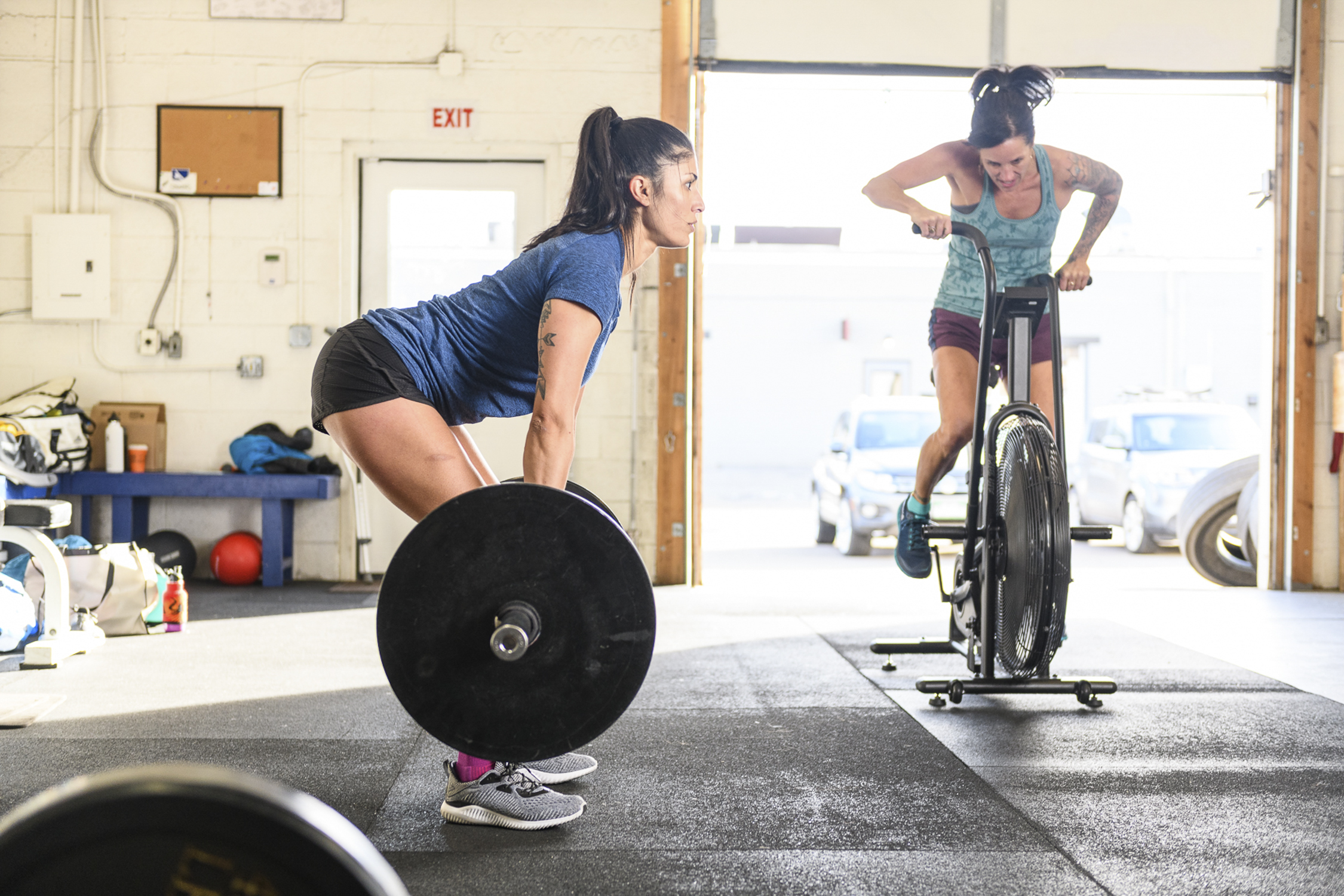
For decades, fitness culture has quietly carried an imbalance: gyms were seen as men’s territory, especially the weight room. Women were encouraged toward lighter workouts—dance cardio, yoga, or machines tucked in the corner—while men dominated benches, racks, and platforms. But in recent years, a shift has been unfolding. From college campuses to community gyms, more women are stepping confidently into strength training, barbell work, and performance-based fitness. Their message is simple but powerful: Do what makes your body feel good.
This article explores the rising confidence of women who are breaking stereotypes, finding community, and rewriting the rules of modern fitness.
Breaking the Stereotype
For generations, women were conditioned to believe that heavy lifting would make them “bulky,” “unfeminine,” or “too muscular.” Fitness magazines reinforced myths about “toning,” while gyms often failed to design inclusive spaces. But as science, social media, and community support grow, these old ideas are losing their grip.
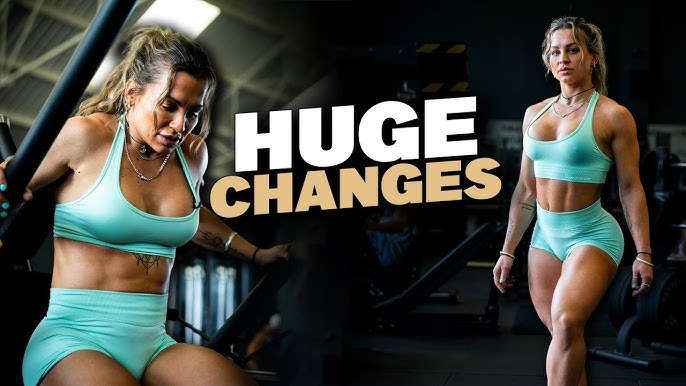
Today’s female athletes and fitness enthusiasts understand that weight training is not only safe but essential for long-term health. Strength training helps increase bone density, improve posture, boost metabolism, and enhance mobility. For many women, it also builds confidence—lifting a heavy barbell has a way of making everyday challenges feel lighter.
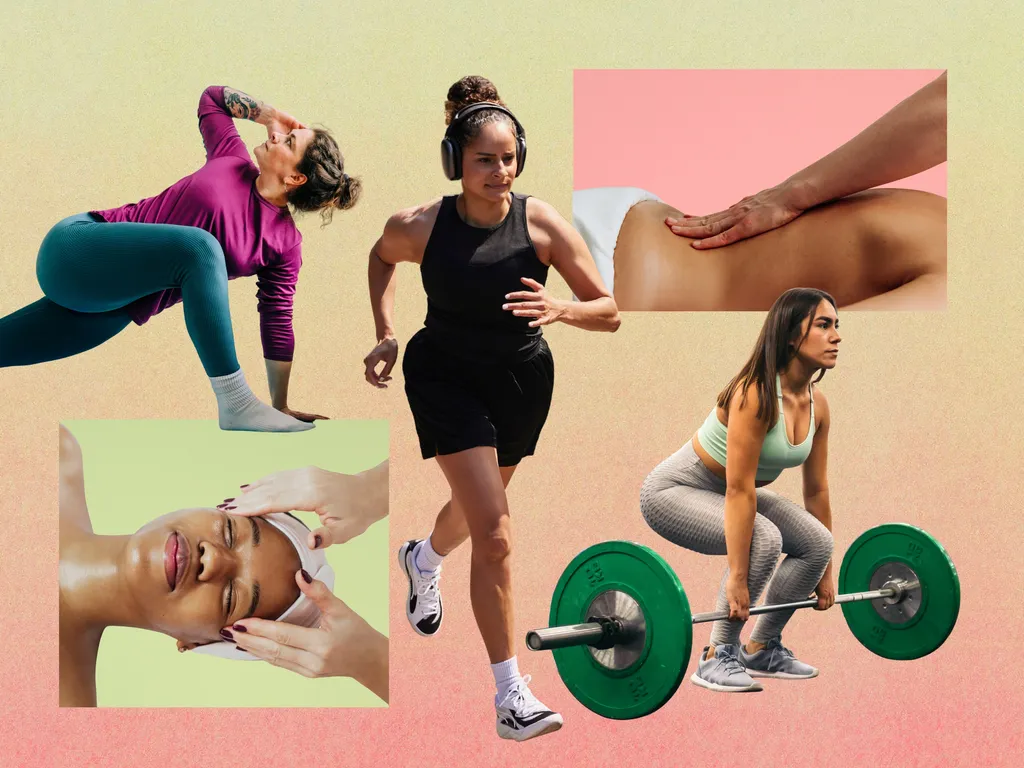
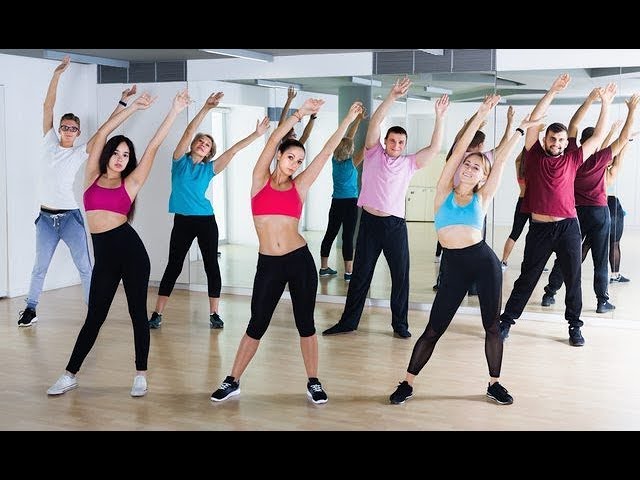
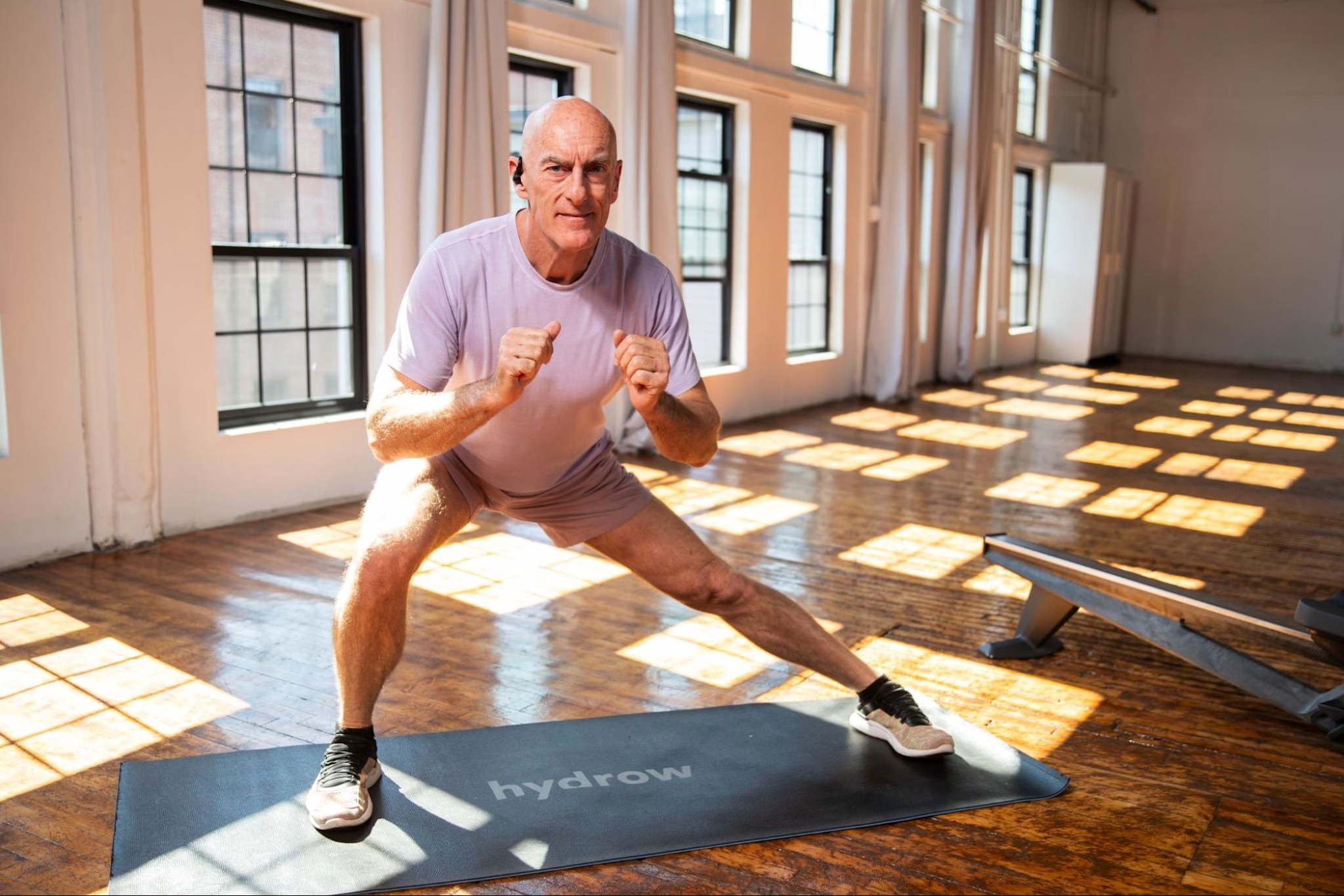
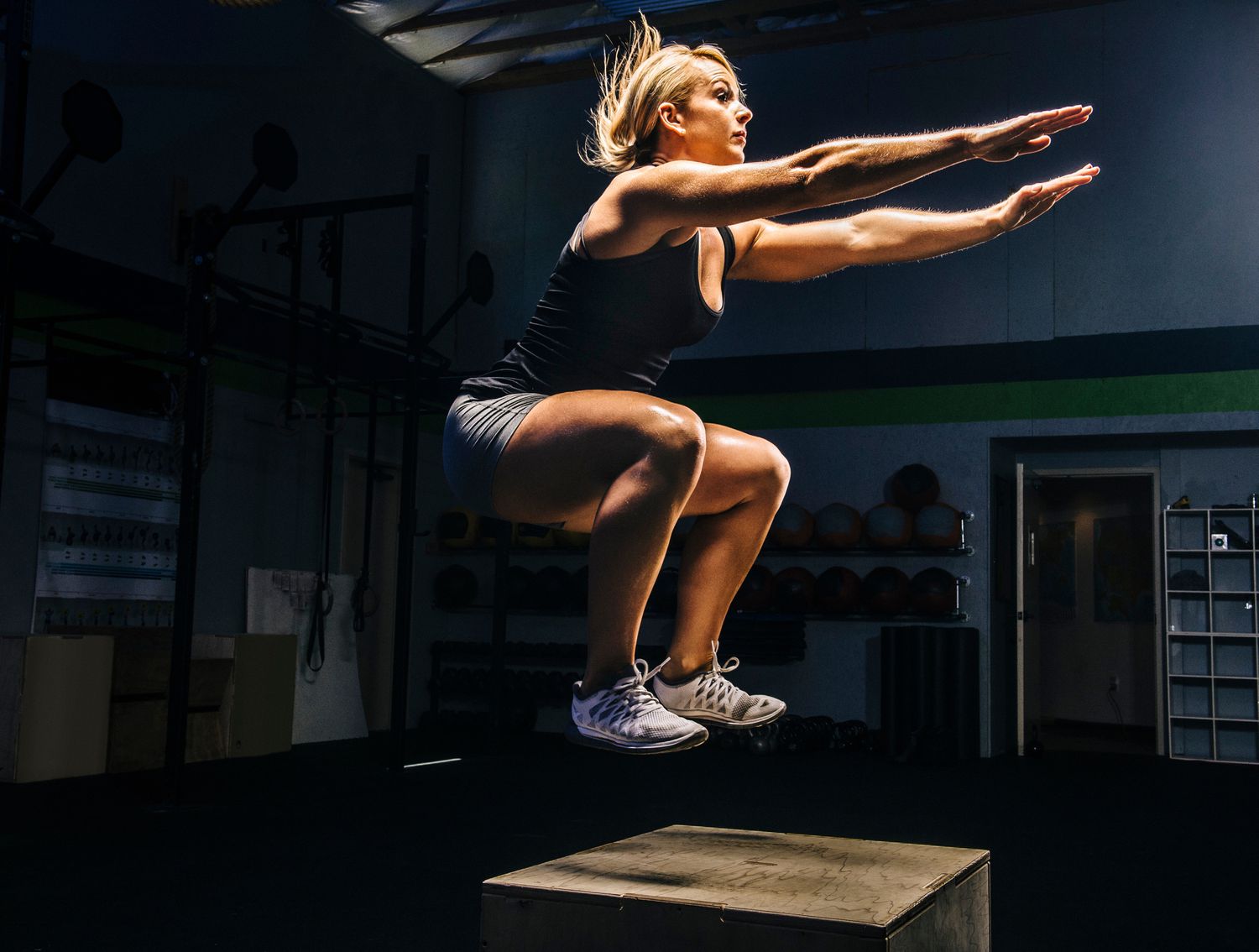
More importantly, women are realizing they don’t need permission to train the way they want. Whether that means running, powerlifting, CrossFit, step aerobics, plyometrics, or yoga, the new fitness culture is rooted in autonomy and joy.
Finding Belonging in Tough Spaces
Walking into a weight room for the first time can be intimidating. The clang of metal plates, the clusters of experienced lifters, and the fear of doing something “wrong” create barriers many women relate to. Yet those who persist often discover something unexpected: a place where they belong.
Many women describe the journey as starting with quiet curiosity. They watched others, learned the equipment, and asked questions. Slowly, they built routines that felt right for their bodies. As confidence grew, so did their presence—and with it, the atmosphere of the gym began to change.
The more women train openly and confidently, the less intimidating the space becomes for the next person walking through the door. What once felt like a male-only zone is becoming a shared environment where everyone has a right to train, grow, and challenge themselves.
Strength Over Aesthetics
One of the most empowering shifts in modern fitness is the movement away from appearance-driven goals toward performance-driven ones. Instead of obsessing over thigh gaps, tiny waists, or scale numbers, many women now ask:
-
How much stronger can I get?
-
Can I run farther or faster?
-
Can I lift heavier than last month?
-
Can I master a new movement?
This shift transforms fitness into something sustainable and exciting. When the goal is strength or skill, progress feels tangible—you can see the weights increase, feel your endurance rise, and measure improvements in form and control.
As women focus more on what their bodies can do rather than how they look, their training becomes a celebration of ability, not a punishment for imperfections.
Community: The Secret Ingredient
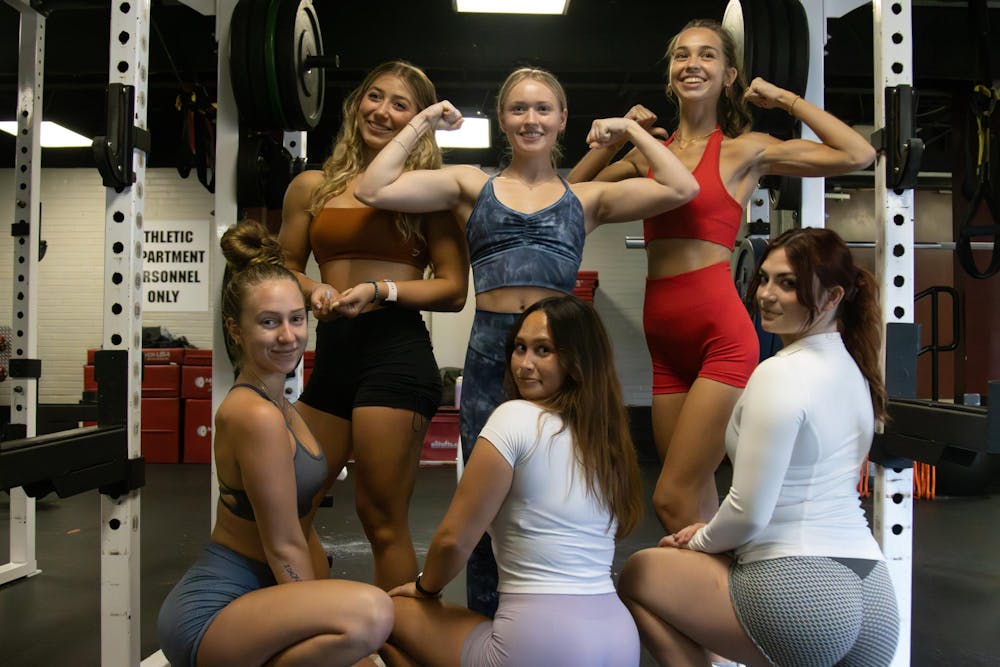
A major factor behind this cultural change is community. Women are creating support networks, whether in college fitness centers, group classes, or online spaces. These communities provide encouragement, tips, safety guidance, and—most importantly—a sense of belonging.
Group workouts often help newcomers feel less alone. Classes like powerlifting clinics, strength boot camps, and women-only gym hours break the ice and provide a judgment-free environment. Online, women share form videos, progress updates, and motivational messages that help others stay committed.
Sisterhood in fitness fosters a mindset of collective empowerment: If she can do it, so can I.
 The Mental Health Boost
Exercise has always been linked to stress relief, but strength-based fitness brings a unique kind of mental resilience. Women who once felt anxious or intimidated in gyms frequently report that lifting teaches them emotional strength as much as physical.
Strength training can:
-
reduce anxiety
-
boost mood
-
improve sleep
-
build discipline
-
increase self-esteem
Many describe it as therapy in motion—a space where they can focus solely on themselves, disconnect from pressure, and reconnect with their bodies.
When women say fitness makes them “feel good,” they’re often talking about a whole-body sense of balance and empowerment that extends far outside the gym.
Challenging the Male-Dominated Narrative
While progress is encouraging, the fitness world still has gaps to bridge. Some gyms remain unfriendly to beginners, women, or anyone who doesn’t fit the stereotype of a lifter. Subtle biases still show up: unsolicited advice, men hogging equipment, or assumptions that women don’t know what they’re doing.
But today’s women are increasingly unwilling to shrink themselves to fit outdated expectations. They claim their space, set boundaries, and correct misinformation. Some even go on to become trainers, instructors, or competitors, expanding representation and changing gym culture from the inside.
Visibility matters. The more women appear in strength spaces, the more normal—and celebrated—it becomes.
Read Also: The Race to 300 mph: Will Hennessey or Koenigsegg Break the Speed Record in 2025?
Doing Fitness Your Way
At the heart of this movement is bodily autonomy. Women are embracing diverse fitness paths without needing to justify themselves.
For some, it’s weightlifting.
For others, it’s running, Pilates, HIIT, or water aerobics.
For many, it’s a blend of multiple styles.
What matters is not what burns the most calories or builds the most muscle—it’s what feels energizing, sustainable, and meaningful.
Fitness becomes freeing when women stop worrying about external expectations and start listening to their bodies.
 Tips for Women Entering Male-Dominated Fitness Spaces
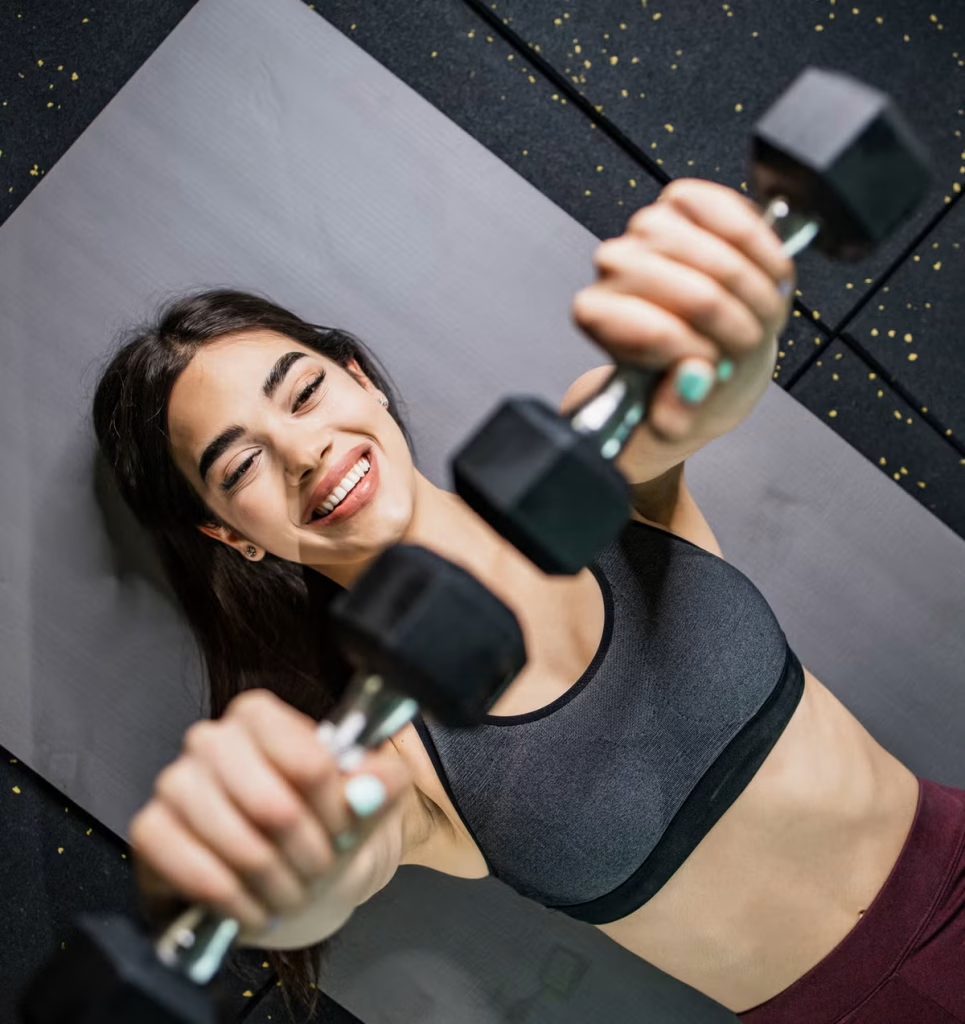
If you’re new to strength training or shared gym spaces, here are empowering tips to build confidence:
1. Start With the Basics
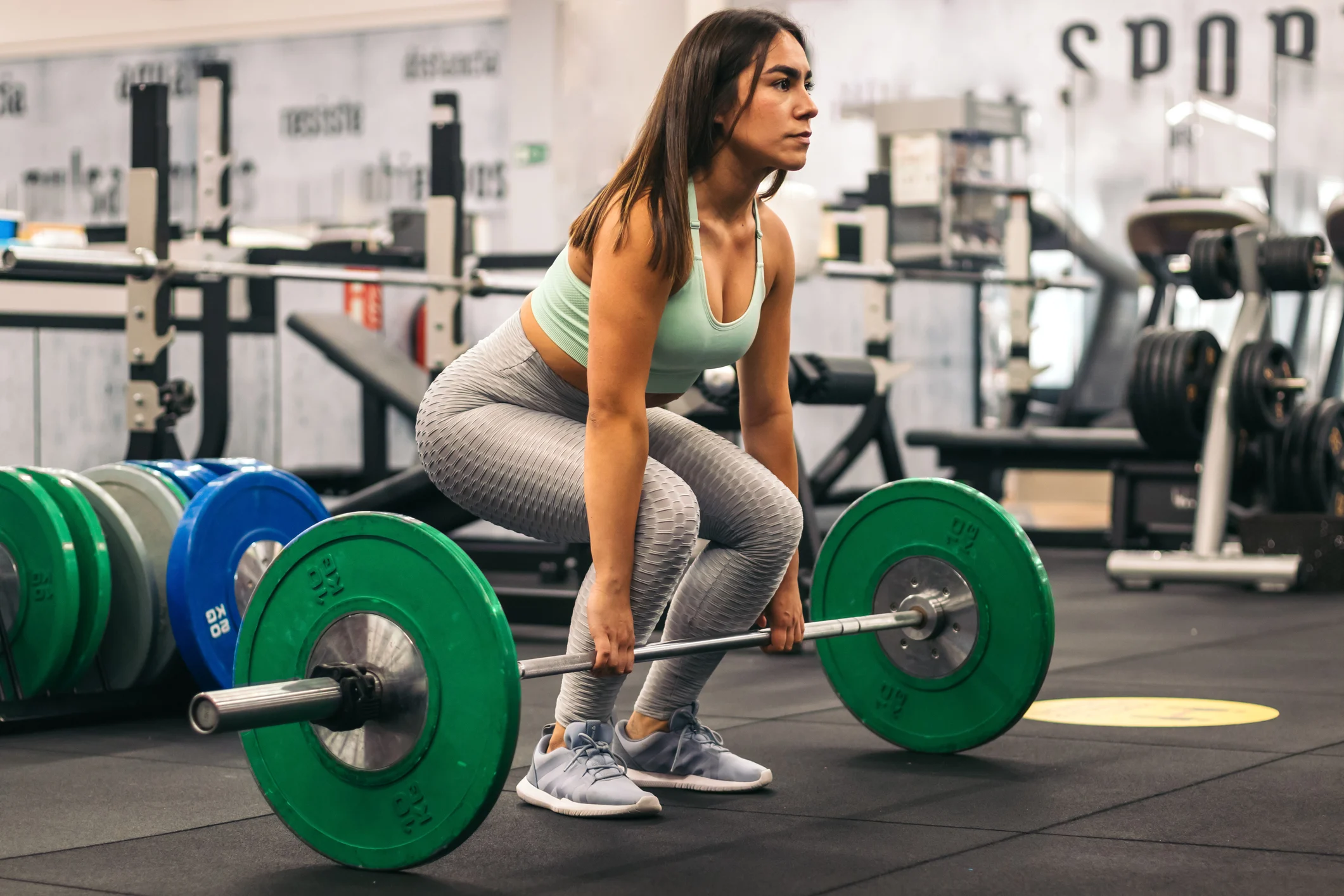
Learn foundational movements: squats, deadlifts, rows, lunges, and presses.
2. Claim Your Space
You have every right to use equipment, machines, and platforms—just like anyone else.
3. Ask for Help When Needed
Trainers and experienced lifters can be valuable resources, especially for learning proper form.
4. Don’t Apologize
You belong in the weight room. You’re not “in the way,” and you don’t need to shrink yourself.
5. Focus on Progress, Not Perfection
Start with manageable weights and build gradually.
6. Bring a Friend
Gym buddies increase confidence and make learning fun.
7. Choose Exercises You Enjoy
Sticking with a routine is easier when it genuinely makes you feel good.
Why This Movement Matters
The transformation happening in gyms is not just about fitness—it’s about identity, empowerment, and equality. As women redefine what strength looks like, they challenge decades of limiting beliefs and inspire the next generation to grow up with fewer constraints.
When women take space in male-dominated fitness environments, they do much more than lift weights. They lift barriers, lift each other, and lift the standard for what inclusive fitness should look like.
Watch Also: https://www.youtube.com/@TravelsofTheWorld24


Leave a Reply