
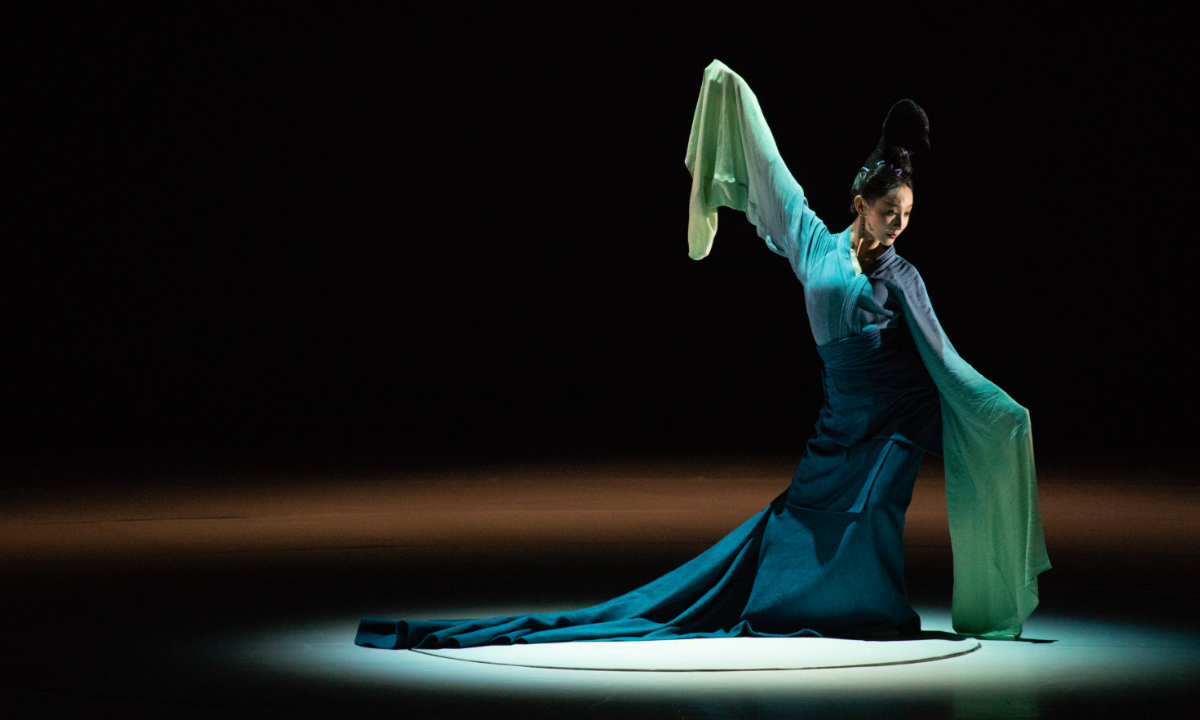
In a world where technology evolves faster than tradition can keep up, one young Chinese dancer is proving that the past still has the power to inspire breathtakingly modern art. Her journey is a fusion of classical aesthetics, personal passion, and a desire to bring ancient culture into contemporary space. Through her dance, she transforms centuries-old paintings into living, breathing performances—turning delicate brushstrokes into motion and embodying beauty in a way that feels timeless yet entirely new.
This is the story of a dancer who does more than just perform—she interprets, reimagines, and personifies the soul of ancient art, making traditional culture resonate with today’s young generation.
A Childhood Rooted in Culture
From an early age, she showed a fascination with the elegance and emotional complexity found in classical Chinese paintings. While other children explored cartoons and digital games, she spent hours studying scrolls decorated with mountains, rivers, and graceful figures in flowing robes. She found herself drawn to the softness, restraint, and poetic expression embedded in every brushstroke.
Her first experience with dance came through school performances, but it wasn’t until she discovered traditional and classical Chinese dance that her world transformed. The graceful wrists, expressive eyes, floating sleeves, and lyrical body lines felt like a natural extension of the art she admired. Here was a medium where she could embody the emotions and stories hidden inside paintings.
Turning Paintings Into Movement
Her signature style is born from a simple yet powerful idea:
What if a dancer could step out of an ancient painting?


To achieve this, she studies the posture, mood, and details of historical artworks. She focuses on how the figures in those paintings hold their hands, tilt their heads, or extend their robes as if floating in time. Then she translates these still poses into gentle transitions, rhythmic gestures, and fluid turns. Her movements are so finely controlled that they often resemble the ink wash style itself—soft yet full of emotion.
Every performance begins with research. She reads the stories behind the artwork, studies the cultural environment in which it was created, and even practices painting strokes to understand the artistic intention of the original painter. This deep foundation makes her choreography not just a dance routine but a living cultural interpretation.
Modern Stage, Ancient Spirit
While rooted in tradition, her dance is far from old-fashioned. She embraces modern stage techniques—lighting, projection, contemporary music blends, and cinematic staging—to give new life to classic scenes.
Her performances often feature:
-
Digital backdrops of misty mountains or ancient pavilions
-
Flowing hanfu costumes inspired by historical dynasties
-
Soft, ethereal lighting to mimic ink-wash tones
-
Slow, feather-light turns that resemble floating brushstrokes
This merging of old and new creates a bridge between generations. Young audiences feel the beauty of their heritage in a way that resonates with their present world, while older audiences appreciate the respect and authenticity she brings to ancient culture.
The Struggle Behind the Grace
The beauty of her performance hides how much effort lies beneath every illusion of weightlessness.
Chinese classical dance requires:
-
Soft yet precise control of the body
-
Deep flexibility and strength
-
Elegant coordination of the wrists, fingers, and shoulders
-
Expressions conveyed through the eyes
-
Mastery of cultural storytelling
She spends hours perfecting moves that might last only seconds on stage. A single raised hand must reflect the gentle emotion of a painting; a slow turn must evoke the swirl of ink in water.
In her training, she often repeats movements hundreds of times until they hold the right emotional texture. She says the hardest part is not the technique but achieving the feeling of being “half in this world and half in the world of the painting.”
Personalizing Tradition: Her Own Artistic Voice
Rather than merely recreating classical imagery, she gives it her own interpretation.
The dancers in ancient paintings often appear serene, distant, and quietly elegant—but she infuses her own emotions into the roles, adding warmth, curiosity, joy, or introspective sadness.
This personal touch allows her to stand out. While she respects the origins of the art, she believes that tradition must be lived, not copied. Her dances are therefore not museum pieces—they are dynamic, personal expressions rooted in cultural beauty.
In several of her signature performances:
-
She plays a maiden stepping out of a scroll to explore the modern world
-
She merges contemporary music with classical gestures
-
She symbolizes ink strokes through the motion of long silk sleeves
-
She portrays ancient landscapes not as scenery but as emotions
Through these artistic choices, she makes ancient culture feel intimate rather than distant.
Social Media: Bringing Ancient Beauty to Global Audiences
Today’s digital platforms have become powerful stages. Her short videos, where she dances in traditional outfits against scenic backgrounds, have attracted millions of views. People from across the world admire the peaceful elegance of her movements, even if they don’t understand the full cultural background.


What surprises many viewers is that her art feels both ancient and modern. She embodies the calm and poetry of classical Chinese aesthetics while presenting it in a format that works beautifully in today’s visual culture.
Her social media presence not only boosts her personal career but also introduces traditional Chinese dance and painting styles to an international audience that might never have encountered them otherwise.
Why Her Work Matters
Her success reflects a growing cultural revival among young people who want to reconnect with traditional aesthetics. She represents a generation reclaiming beauty from the past—not as something outdated, but as something deeply relevant.
Her dance reminds viewers that:
-
Tradition can be modern
-
Culture is alive when it inspires new art
-
Old paintings still speak to modern hearts
-
Beauty transcends time
In an era where cultural identities risk being diluted, her dedication helps preserve and reinterpret one of the richest artistic heritages in the world.
Chasing the Dream Forward
Despite her growing popularity, she sees herself as a student—still learning, still exploring, still refining her ability to embody the spirit of ancient paintings. Her dream is to create full-length stage works inspired by historical art and to collaborate with painters, costume designers, and musicians who share her vision.
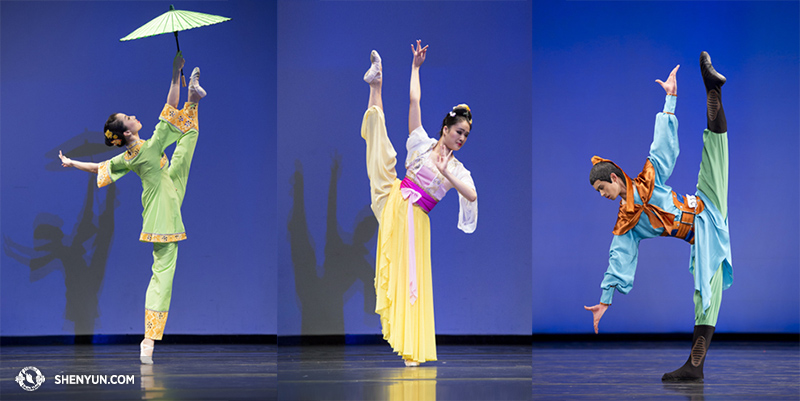

She hopes her journey inspires young dancers to look beyond technique and find meaning in cultural expression. Her message to them is simple:
“When you dance from the heart, even ancient art comes alive again.”
Conclusion: A Living Painting in Motion
The young Chinese dancer who transforms ancient paintings into dance is more than a performer—she is a storyteller, a cultural bridge, and a reminder of how artistic heritage can evolve through new generations. By personalizing tradition and turning brushstrokes into movement, she creates a vivid connection between past and present.
Her journey shows that dreams rooted in culture can flourish, touch others, and inspire a whole new way of seeing beauty.
Read Also: Keep your face towards the sunshine and shadows will fall behind you
Watch Also: https://www.youtube.com/@TravelsofTheWorld24



Leave a Reply