
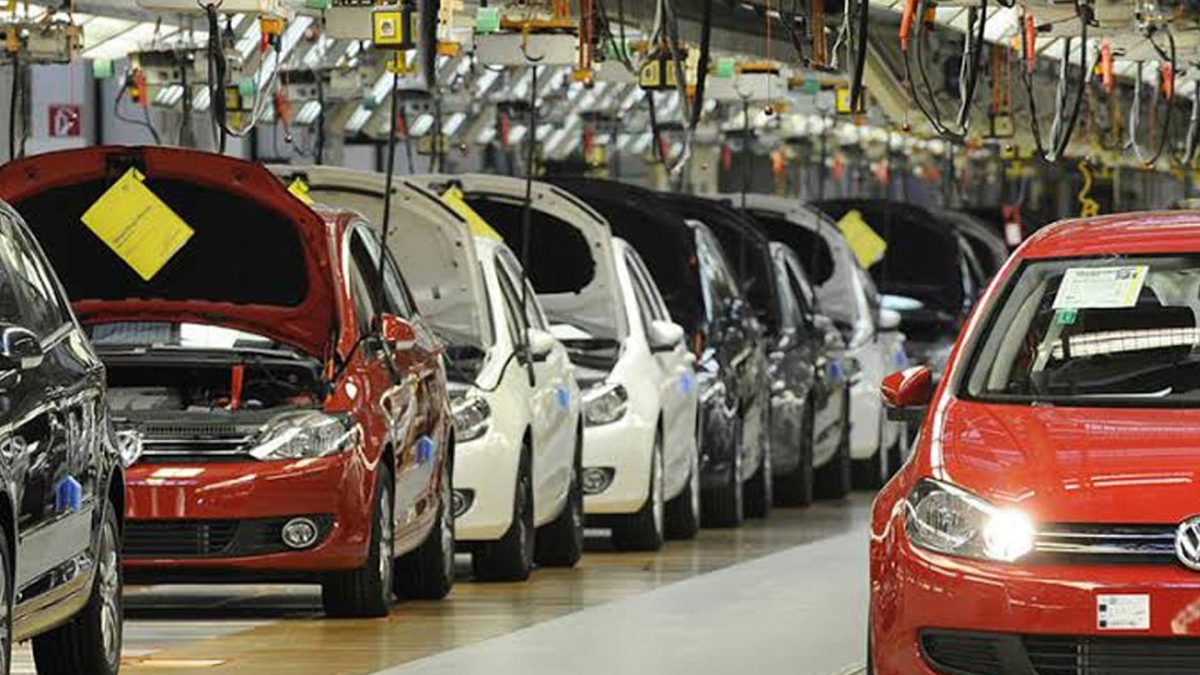
The Indian automobile industry stands today as one of the strongest and most dynamic sectors contributing to the country’s economic expansion. Over the decades, it has evolved from a modest manufacturer of basic vehicles into a globally competitive ecosystem known for engineering capability, large-scale production, and innovation. With millions of jobs, substantial export potential, and deep linkages with allied industries, the automobile sector has established itself as a core pillar of India’s economic growth story.
Historical Evolution and Structural Strength
The roots of the Indian automobile industry go back to the mid-20th century, when a handful of companies produced limited models for a small consumer base. Economic liberalization in the early 1990s transformed the sector dramatically by opening doors to global technology, investment, and competition. This shift encouraged modernization, efficiency, and an expanded product range. Over the years, India became one of the world’s largest markets for two-wheelers and small cars, driven by rising incomes, rapid urbanization, and supportive government policies.
A major strength of the Indian automobile sector is its balanced structure. It encompasses multiple segments—two-wheelers, passenger cars, commercial vehicles, three-wheelers, and electric vehicles—ensuring broad economic representation. The two-wheeler market, in particular, has been a longtime backbone due to high affordability and accessibility for India’s expanding middle and lower-middle classes. Meanwhile, commercial vehicles play a crucial role in freight transport and industrial connectivity, making them an essential component of the nation’s logistics network.
Employment Generation and Industrial Linkages
One of the most significant contributions of the automobile industry is its ability to generate employment at an enormous scale. The sector directly employs millions of engineers, technicians, designers, assembly-line workers, and sales personnel. But its impact extends far beyond the boundaries of manufacturing plants. Indirectly, the industry supports a massive network of ancillary units, spare-parts manufacturers, logistics services, dealerships, workshops, finance companies, and more.
Every vehicle produced triggers demand for steel, rubber, plastics, electronics, software, energy, and transport services. This extensive value chain creates opportunities for small, medium, and large enterprises alike, forming a comprehensive ecosystem that boosts industrial diversification. The automobile sector is thus not just a manufacturing powerhouse but also a catalyst for broader economic activity and technological development.
Contribution to GDP and Government Revenue
The automobile industry is widely recognized as one of the highest contributors to India’s manufacturing GDP. It accounts for a considerable share of the country’s industrial output and plays a key role in tax generation through excise duties, GST, road taxes, and registration fees. The strengthening of this industry often correlates with increased government revenue, enabling higher public spending on infrastructure, social welfare, and development projects.
In addition, automobile manufacturing clusters—such as those in Tamil Nadu, Maharashtra, Haryana, Karnataka, and Gujarat—have become economic engines for their respective regions. They attract investment, create job opportunities, enhance local infrastructure, and improve skill development. These clusters showcase how a strong automobile base can transform entire regional economies.
Technology, Innovation, and R&D Growth
Innovation has been central to the automobile industry’s rapid rise. As global competition increased, Indian manufacturers invested heavily in research and development to upgrade performance, safety, design, and fuel efficiency. Modern vehicles produced in India reflect advanced engineering, improved emission standards, and sophisticated features that rival global offerings.
The shift toward cleaner mobility has accelerated R&D efforts in electric vehicles, battery technologies, hybrid systems, and renewable-energy integration. Start-ups and technology companies are partnering with automotive firms to introduce smart solutions such as telematics, autonomous-driving assistance, vehicle-tracking systems, and connected-car features. This fusion of manufacturing and digital innovation positions India as a future-ready mobility hub.
Export Competitiveness and Global Presence
India has emerged as a significant exporter of vehicles and automotive components to global markets. Thanks to cost-efficient manufacturing, skilled labor, and improving quality standards, Indian vehicles have found acceptance in Asia, Africa, Latin America, and parts of Europe. Automobile exports include two-wheelers, compact cars, commercial vehicles, and spare parts.
Moreover, multinational automobile companies use India as a strategic production base for their global operations. This not only boosts export revenue but also enhances India’s reputation as a reliable and high-capacity manufacturing destination. With continued focus on quality improvement and trade partnerships, India is expected to expand its footprint in global automotive exports in the coming years.
The Rise of Electric Vehicles
The gradual shift towards sustainability has brought electric mobility to the forefront of India’s automotive transformation. Government initiatives such as subsidies for EV buyers, incentives for battery manufacturing, and investments in charging infrastructure are shaping a new landscape focused on clean transport.
Electric two-wheelers are gaining rapid traction because of their affordability and low running cost. Electric cars and buses, meanwhile, are entering urban mobility networks, contributing to reduced pollution and fuel dependence. As environmental consciousness grows and technology improves, the EV segment is set to become a major growth driver for the entire industry.
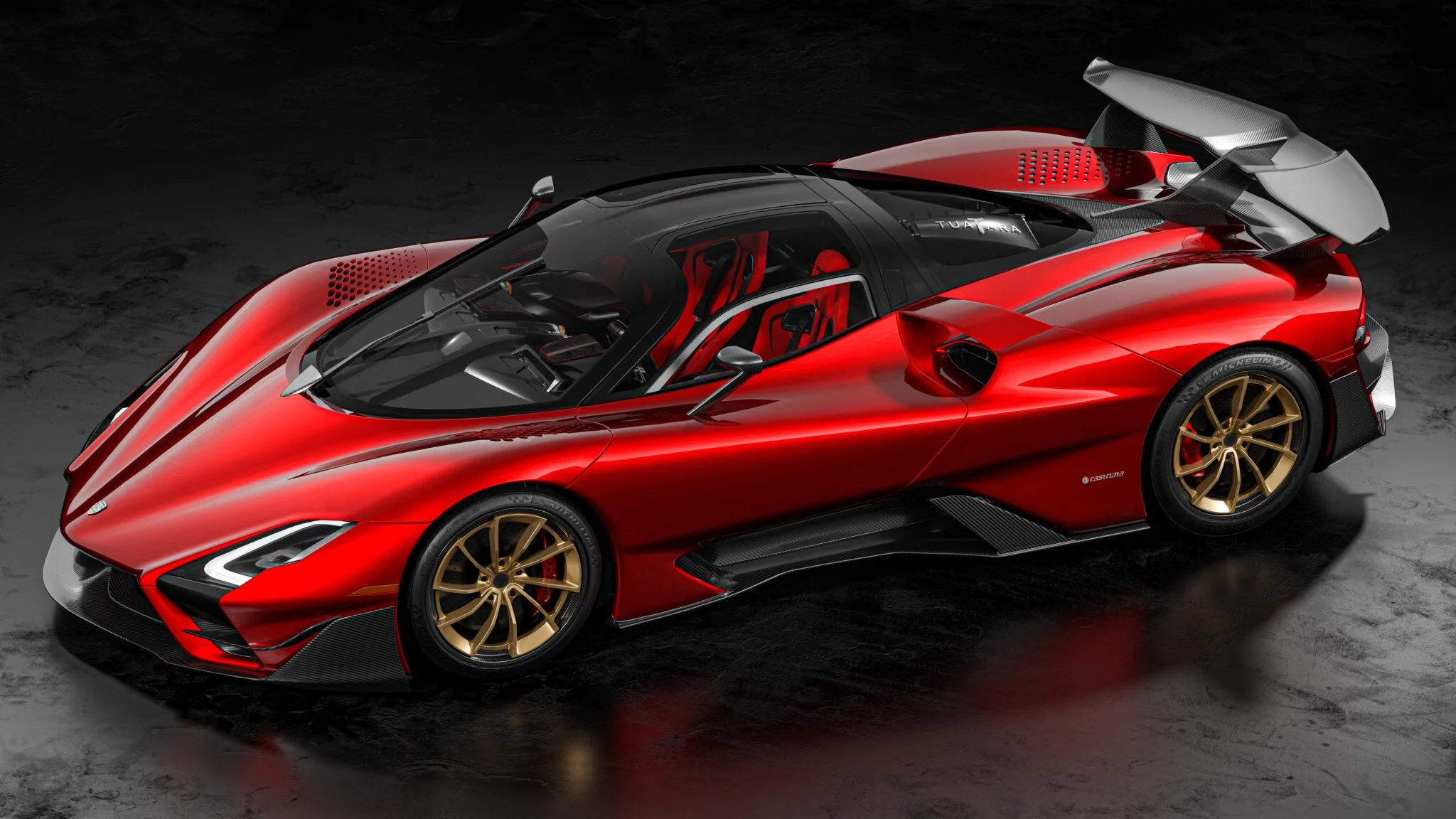
Read Also: The Race to 300 mph: Will Hennessey or Koenigsegg Break the Speed Record in 2025?
Government Policies and Supportive Framework
The Indian government continues to play a pivotal role in supporting the automobile sector’s growth. Policies promoting manufacturing, such as Production-Linked Incentive (PLI) schemes, have encouraged domestic and foreign investment. Programs focused on safety standards, emission controls, scrappage policies, and infrastructure development help modernize the industry and align it with global benchmarks.
Additionally, the development of highways, smart cities, and logistics corridors increases demand for vehicles and improves transportation efficiency. Skill-development initiatives help create a trained workforce suited for advanced manufacturing and electric-mobility technologies.
Challenges and the Road Ahead
Despite its achievements, the automobile industry faces several challenges. Fluctuating fuel prices, global supply-chain disruptions, and rising raw-material costs can impact production and demand. Regulatory changes, although beneficial in the long run, often require significant adaptation and investment.
Furthermore, as the world moves toward sustainability, the Indian industry must balance the transition from traditional engines to electric and hybrid technologies. Ensuring affordable EVs, improving charging infrastructure, and securing battery supply chains are key tasks for the coming decade.
Yet, these challenges also present opportunities. With strong domestic demand, increasing global interest, and continued innovation, the industry is well-positioned for long-term expansion. Strategic planning, investment in technology, and sustained policy support will be critical to maintaining momentum.
Conclusion
The Indian automobile industry is far more than just a producer of vehicles—it is a powerful engine of economic growth, employment, innovation, and global competitiveness. Its contributions are deeply woven into India’s industrial fabric, influencing multiple sectors and shaping consumer lifestyles. As India continues its journey towards modernization and sustainability, the automobile industry will remain a cornerstone of progress.
From manufacturing excellence to technological evolution and export leadership, the industry’s accomplishments reflect India’s potential as a global mobility powerhouse. With the right vision and continued support, it will continue driving the nation forward for decades to come.
Watch Also: https://www.youtube.com/@TravelsofTheWorld24









Leave a Reply