
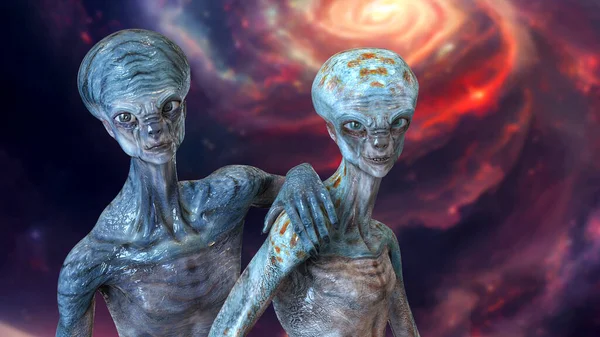
For decades, extraterrestrial life has captured the human imagination, from the early days of science fiction to contemporary UFO documentaries and government disclosures. Recent surveys, social media trends, and viral videos have prompted a renewed question: Are beliefs in space aliens spiraling out of control? While fascination with aliens is hardly new, the pace and intensity of public belief may be reaching unprecedented levels, fueled by modern media, cultural shifts, and genuine scientific curiosity.
The Rise of Alien Belief
Public interest in extraterrestrials has followed a cyclical pattern. In the mid-20th century, claims of UFO sightings, crop circles, and alleged abductions became a cultural phenomenon, especially during the Cold War. Movies, books, and television shows amplified these narratives, embedding the idea of aliens into popular consciousness.
In the 21st century, however, several factors have accelerated alien fascination:
-
Government Transparency and UFO Reports
-
The U.S. Department of Defense has released previously classified reports on unidentified aerial phenomena (UAPs).
-
Videos captured by military pilots show objects moving in ways that defy conventional physics, sparking speculation about extraterrestrial technology.
-
-
Social Media and Viral Content
-
Platforms like YouTube, TikTok, and Instagram allow rapid dissemination of UFO sightings and alien-related theories.
-
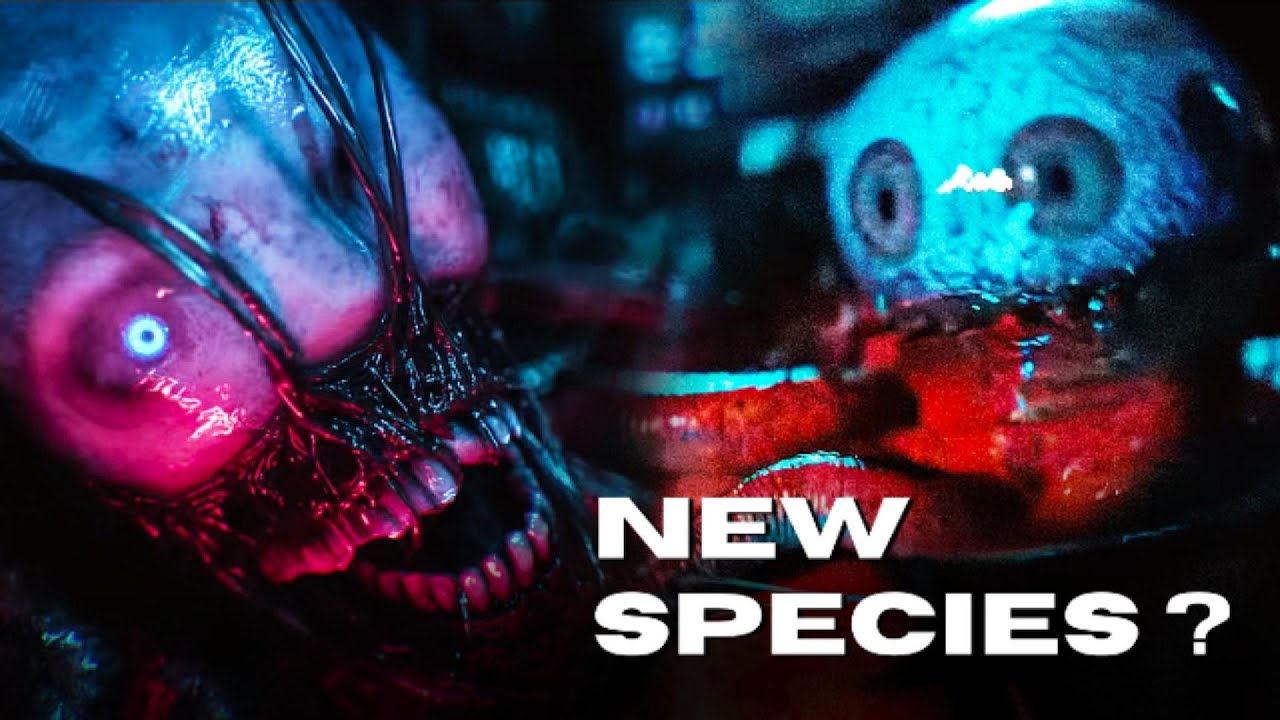
Visual content — photographs, videos, and CGI recreations — often blurs the line between evidence and entertainment, influencing public perception.
-
-
Astrobiology Discoveries
-
The discovery of exoplanets in habitable zones, microbial possibilities on Mars, and water under icy moons like Europa and Enceladus provide scientific credence to the search for life beyond Earth.
-
These findings legitimize curiosity and, in some cases, strengthen the belief that aliens might exist.
-
How Widespread Are Beliefs in Aliens?
Recent surveys highlight how popular alien beliefs have become:
-
Gallup Polls indicate that roughly 1 in 3 Americans believe some UFOs could be alien spacecraft.
-
A 2023 Ipsos global survey revealed that 60% of respondents in some countries think intelligent extraterrestrial life is probable.
-
Younger generations, particularly those active on social media, report higher belief in aliens compared to older demographics, suggesting that exposure to media and online communities reinforces these ideas.
These numbers suggest not just curiosity but active belief, which may shape cultural narratives and even influence policy discussions regarding space exploration and SETI (Search for Extraterrestrial Intelligence).
Factors Fueling the Spread of Alien Belief
1. Viral Media and AI-Generated Imagery
Photography and digital imagery play a critical role in shaping beliefs. Platforms like ArtStation, DeviantArt, and Reddit communities showcase:
-
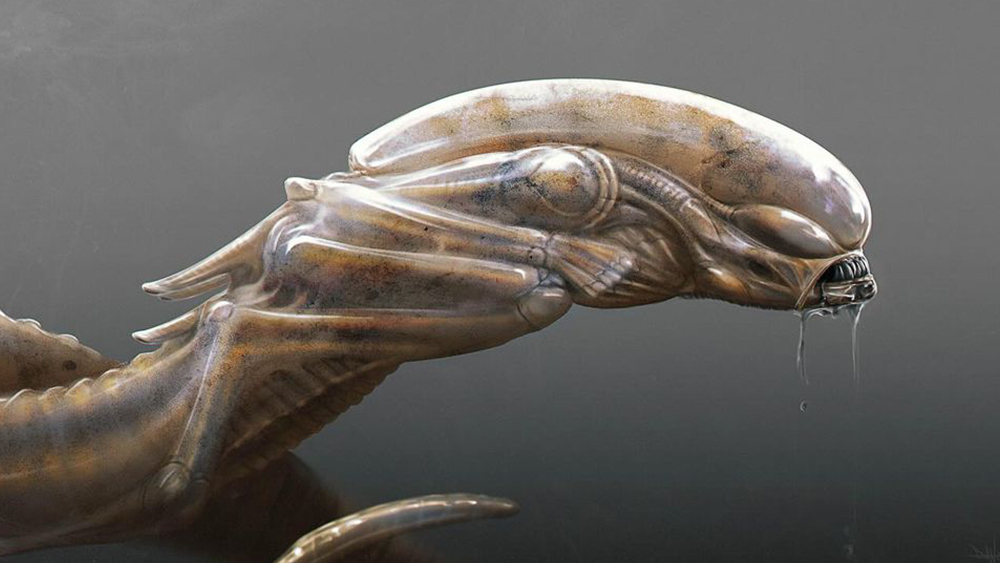
3D renderings of alien lifeforms.
-
Hypothetical encounters between humans and extraterrestrials.
-
Conceptualizations of alien habitats on planets such as Mars or exoplanets.
The realism of modern digital art can make fictional depictions appear credible, especially to audiences not trained in critical evaluation of imagery. AI-generated images and deepfakes further blur the line, creating compelling visuals that can circulate as “evidence.”
2. Government and Military Disclosures
-
In 2020, the U.S. Pentagon officially released three UFO videos, acknowledging them as unexplained aerial phenomena.
-
The release of these videos and subsequent congressional hearings gave alien believers a perceived legitimacy, even if no proof of extraterrestrial life was provided.
-
Media framing often amplifies speculation, highlighting mysteriousness over scientific caution.
3. Pop Culture and Fiction
Movies, series, and novels continue to depict aliens in increasingly vivid and realistic ways:
-
Science fiction films like Arrival, Interstellar, and The Three-Body Problem introduce scientifically informed depictions of alien life.
-
TV shows and documentaries claim to expose hidden truths, feeding conspiracy theories.
Pop culture, combined with real-world phenomena, fosters an environment in which belief in aliens can thrive without empirical proof.
The Psychology of Alien Belief
Why do so many people believe in extraterrestrial life, sometimes despite a lack of hard evidence? Several psychological factors contribute:
-
Pattern Recognition
-
Humans are wired to detect patterns, even in ambiguous stimuli. A random light in the sky or unusual cloud formation may be interpreted as alien activity.
-
-
Desire for Meaning
-
Belief in aliens provides a framework to explain unexplained phenomena, from aerial anomalies to historical mysteries.
-
-
Social Reinforcement
-
Online communities validate personal experiences or sightings, creating echo chambers that strengthen belief.
-
Sharing photographs and videos of UFOs or alien-inspired phenomena reinforces group cohesion and belief legitimacy.
-
-
Cultural Narratives
-
Stories of alien abductions, first contact, and advanced civilizations tap into long-standing myths of outsiders observing or influencing human society.
-
Photography, Images, and Visual “Evidence”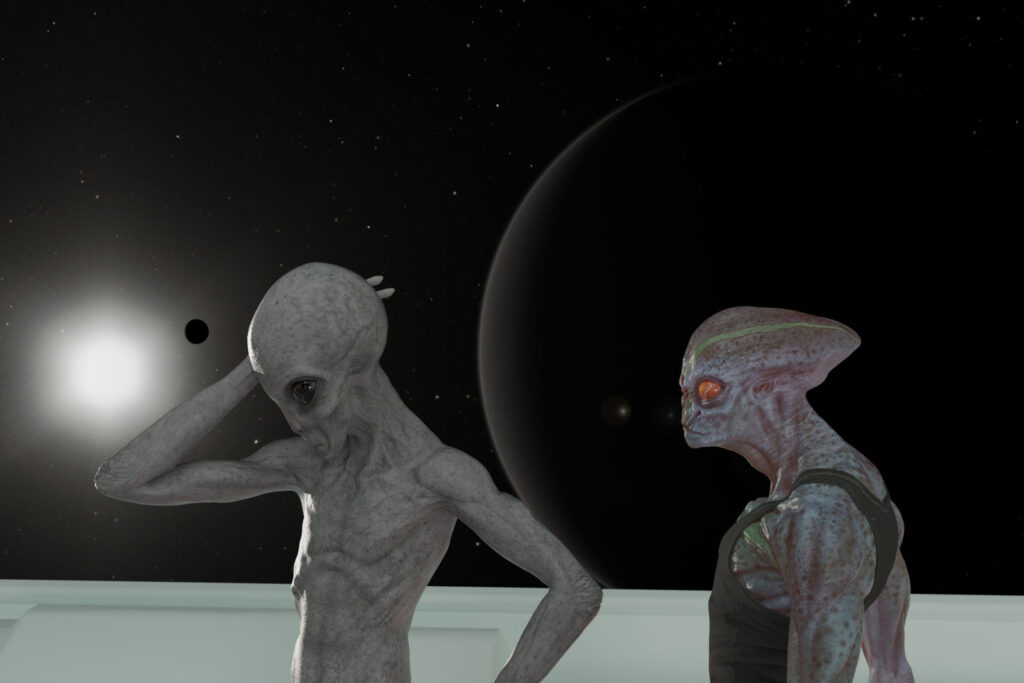
Visual media plays a central role in the alien-belief ecosystem. Common types of images include:
-
UFO Photos and Videos: Often blurry or ambiguous, yet shared widely online.
-
Astronomical Observations: Strange lights captured in night-sky photographs sometimes interpreted as alien craft.
-
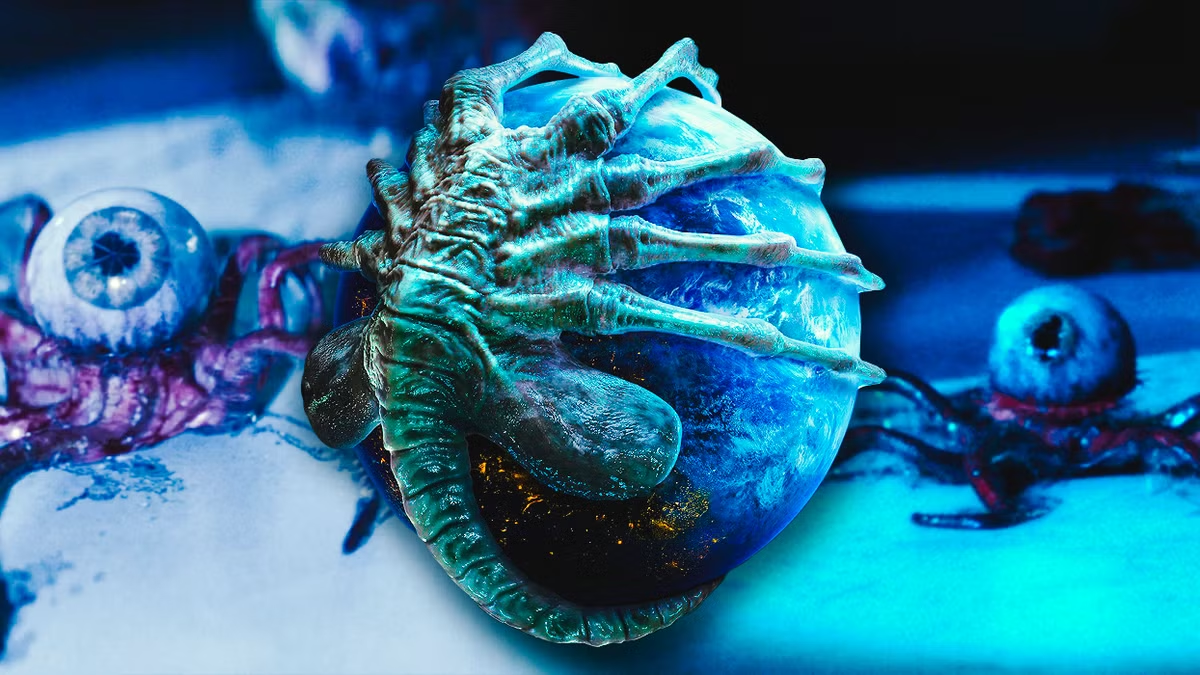
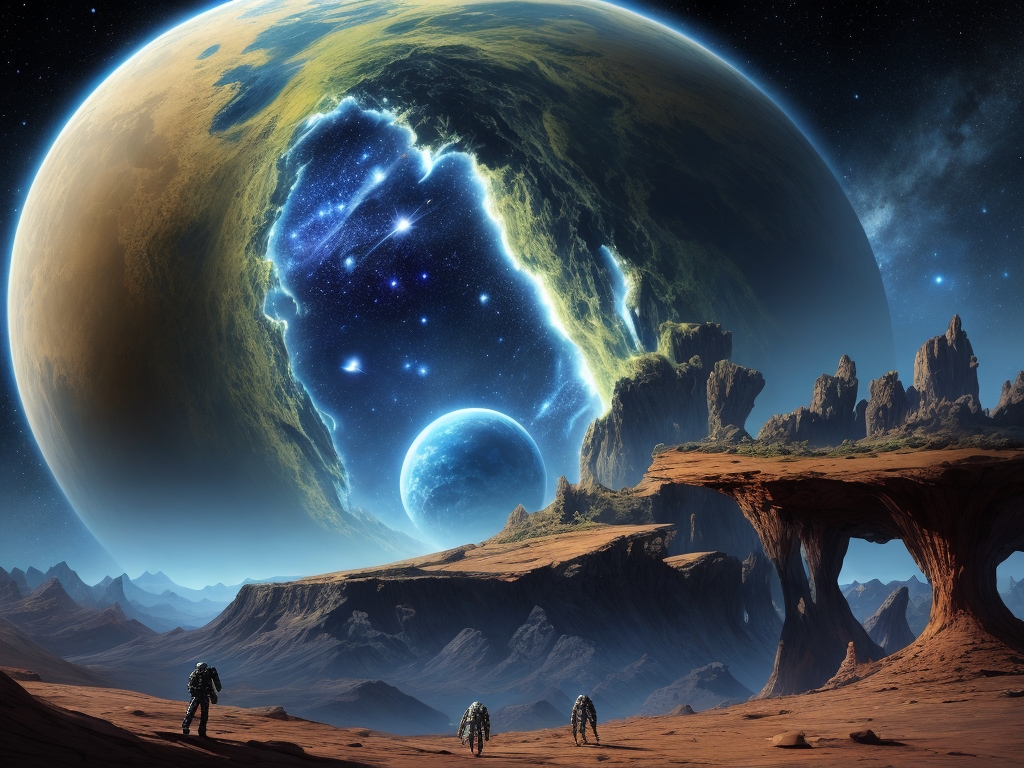
Concept Art and CGI: Highly realistic depictions of extraterrestrials studying Earth, exploring planets, or interacting with humans.
-
Satellite Images: Occasionally misinterpreted as showing alien bases or artifacts on planets or moons.
While most of these images have plausible terrestrial explanations — lens flares, camera artifacts, or creative digital work — they nevertheless shape belief. Humans are highly visual, and photographic “evidence,” even if speculative, can strongly influence perception.
Are Beliefs Spiraling Out of Control?
While belief in aliens is widespread, whether it is “out of control” depends on perspective:
-
Cultural Perspective
-
Belief in aliens is integrated into entertainment, art, and social media — creating a cultural norm rather than an extreme deviation.
-
-
Scientific Perspective
-
Scientists urge caution, emphasizing the need for empirical evidence. Many UFO sightings have mundane explanations (weather phenomena, satellites, aircraft).
-
Yet, public fascination keeps funding and attention focused on astrobiology and space research, which can be beneficial.
-
-
Media Amplification
-
Viral content often exaggerates rare phenomena. While belief may appear extreme, it is frequently driven by sensational coverage rather than a surge in rational conviction.
-
Impacts on Society
Beliefs in aliens, whether grounded or speculative, have tangible effects:
-
Science Engagement
-
Curiosity about extraterrestrial life motivates interest in astronomy, physics, and planetary science.
-
-
Policy and Research
-
UAP research programs and SETI initiatives receive funding and public scrutiny, often influenced by societal belief.
-
-
Cultural Dialogue
-
Aliens serve as metaphors for the unknown, influencing art, literature, and social commentary.
-
-
Potential Risks
-
Belief in aliens can sometimes fuel conspiracy theories or pseudoscience, which may spread misinformation.
-
Overall, the “spiraling” of beliefs may reflect more a proliferation of media and public engagement than a literal loss of control.
Balancing Skepticism and Open-Mindedness
While extraordinary claims require extraordinary evidence, there is value in maintaining a balanced approach:
-
Critical Evaluation: Scrutinizing photographs, videos, and reports prevents misinformation.
-
Scientific Inquiry: Astrobiology, space missions, and satellite observations provide real avenues to search for life.
-
Cultural Appreciation: Artistic depictions of aliens, while fictional, foster imagination and interest in science.
-
Ethical Consideration: Preparing for the possibility of life elsewhere encourages discussions about responsibility, communication, and planetary stewardship.
In other words, belief in aliens need not be irrational or destructive — it can coexist with scientific rigor and cultural enrichment.
The Role of Digital Art and Imagery
ArtStation, DeviantArt, and other platforms play a unique role in shaping beliefs:
-
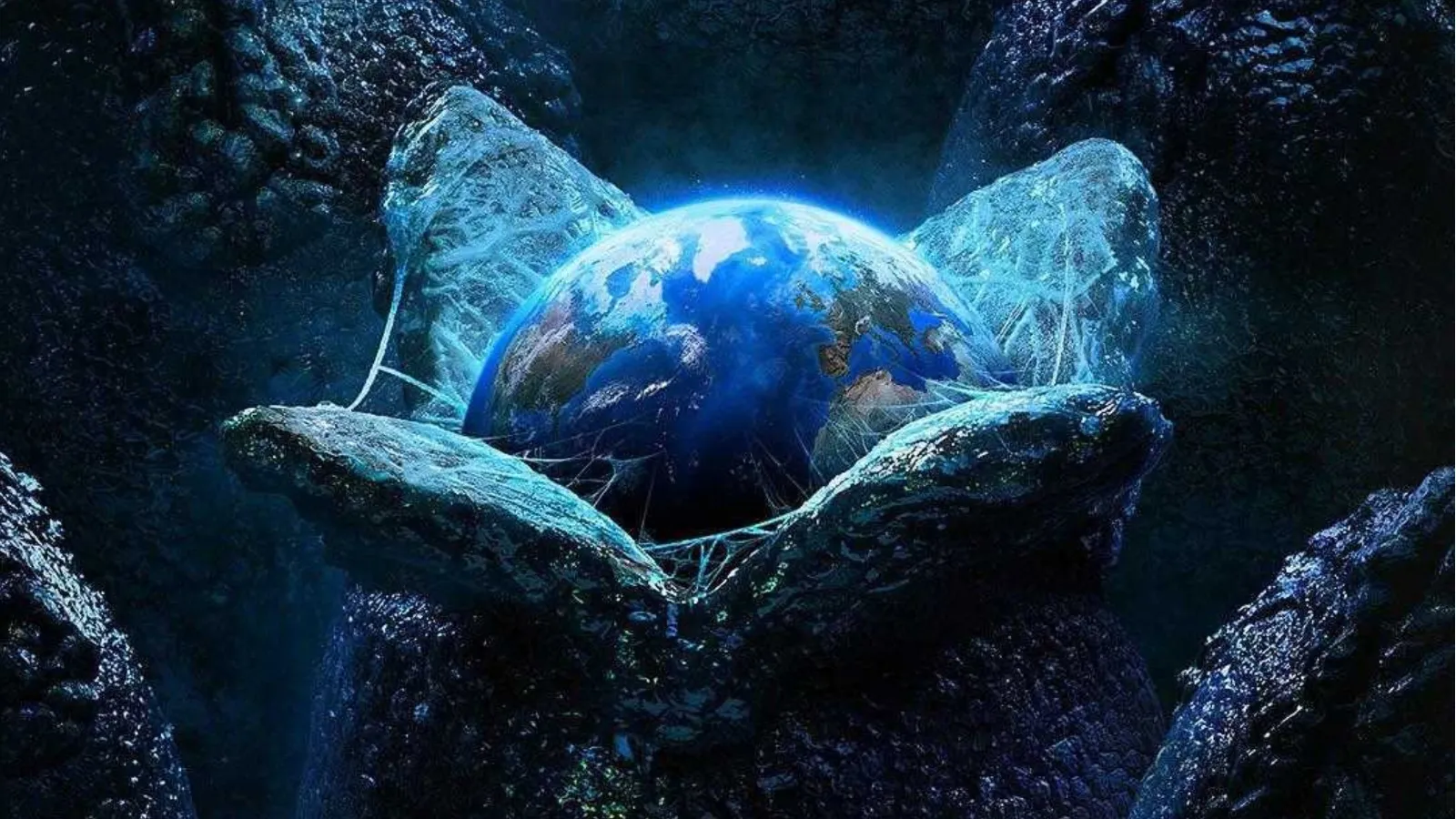
3D illustrations of aliens studying Earth or exploring the cosmos offer tangible visualizations of abstract ideas.
-
High-quality renders of alien encounters make it easier for the public to imagine extraterrestrial intelligence.
-
Concept art bridges the gap between entertainment, science communication, and philosophical reflection.
In this way, visual storytelling both reflects and shapes public belief in extraterrestrial life.
Conclusion
Beliefs in space aliens are not entirely new, but the combination of scientific discoveries, viral media, government disclosures, and realistic visualizations has intensified public interest. While sensationalized photographs and digital art can exaggerate perceptions, they also inspire curiosity, creativity, and engagement with science.
Rather than viewing beliefs as spiraling out of control, it may be more accurate to say that humanity’s fascination with the unknown has found new outlets and amplification channels. The challenge lies in balancing wonder with evidence, imagination with skepticism, and entertainment with inquiry.
Aliens may or may not be observing us, but our fascination with them continues to illuminate both the universe and the human mind — sometimes in ways as vivid as the photographs and digital illustrations that circulate online.
Read Also: Keep your face towards the sunshine and shadows will fall behind you
Watch Also: https://www.youtube.com/@TravelsofTheWorld24








Leave a Reply