
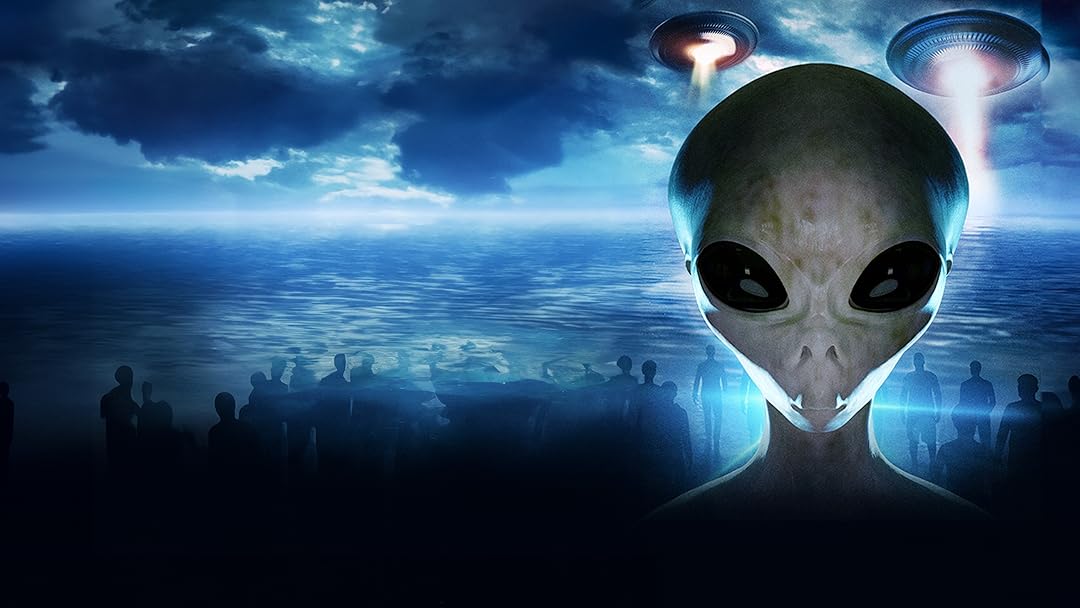
For generations, humanity has looked up at the night sky and wondered whether we are alone in this vast universe. From ancient civilizations who believed the stars were home to otherworldly beings to today’s scientists who search for life with advanced telescopes and rovers, the question remains one of the biggest mysteries of our existence: Do aliens exist?
While we still don’t have definitive proof, the growing body of scientific knowledge, unexplained phenomena, and evidence from space exploration suggest that life elsewhere in the universe is far more likely than impossible. Here’s a deep dive into what we know so far—rooted in science, sprinkled with wonder, and powered by everything we’ve discovered in the 21st century.
1. The Universe Is Too Vast for Us to Be Alone

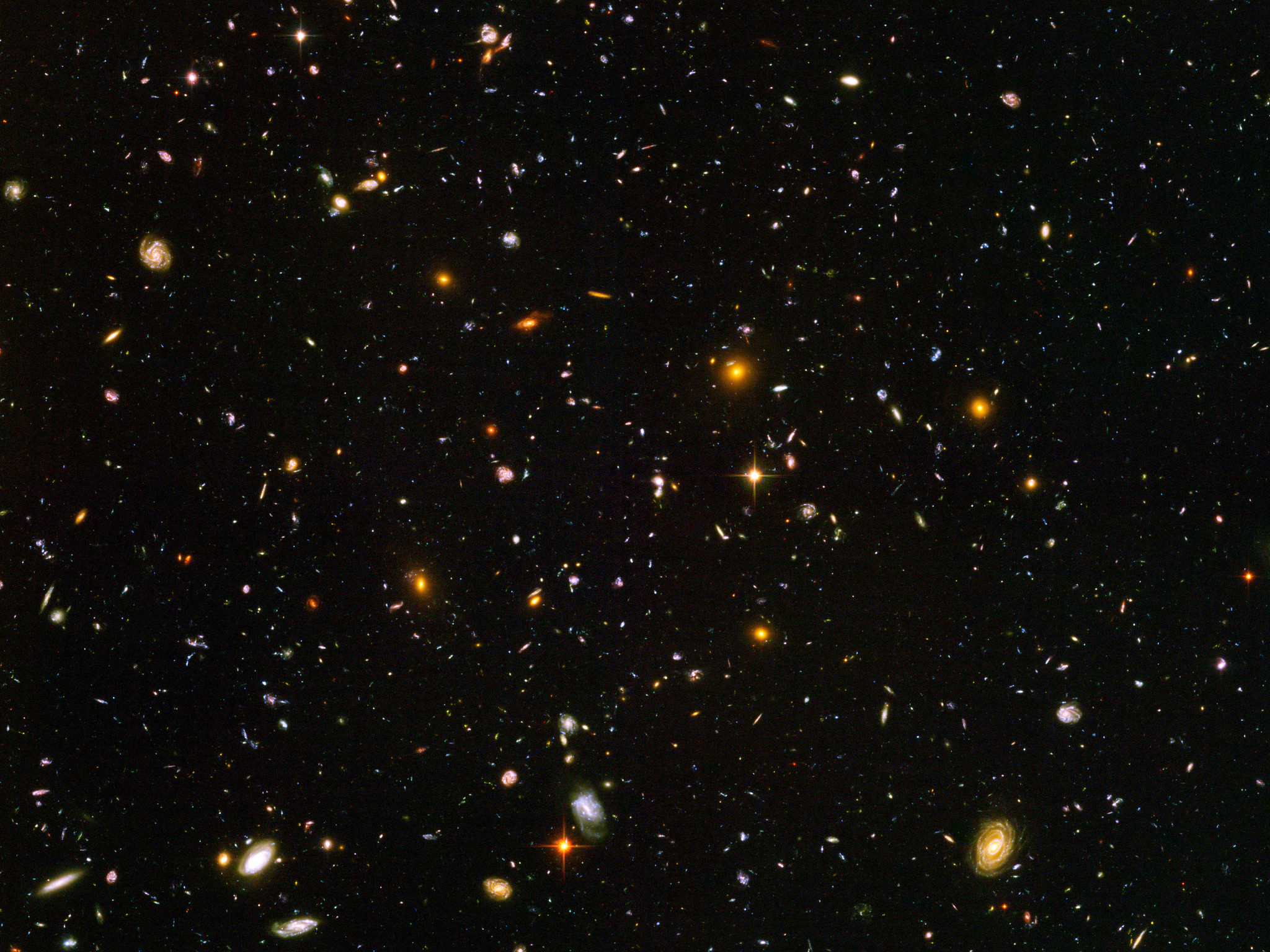
To understand the possibility of alien life, we first need to grasp the scale of the universe.
-
Our Sun is just one of over 200 billion stars in the Milky Way.
-
And the Milky Way is merely one of at least 2 trillion galaxies in the observable universe.
-
Each galaxy is filled with stars, many of which have planets orbiting them.
Statistically, it seems almost impossible that Earth is the only planet where life has emerged. Scientists often use the Drake Equation to estimate the number of civilizations capable of communication, and almost every modern calculation suggests that intelligent life could exist somewhere, even if we haven’t contacted it yet.
2. Thousands of Exoplanets Have Been Discovered
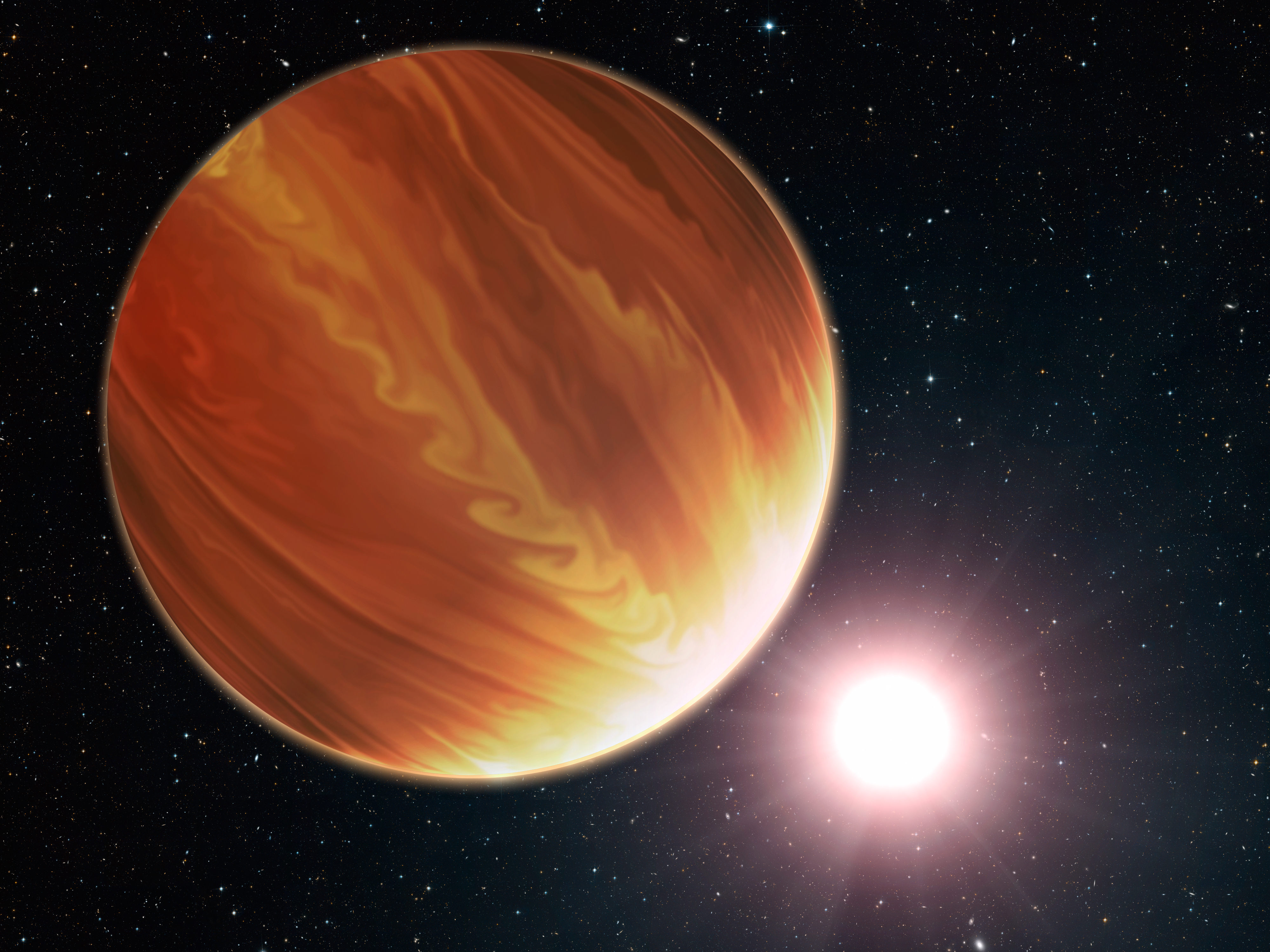
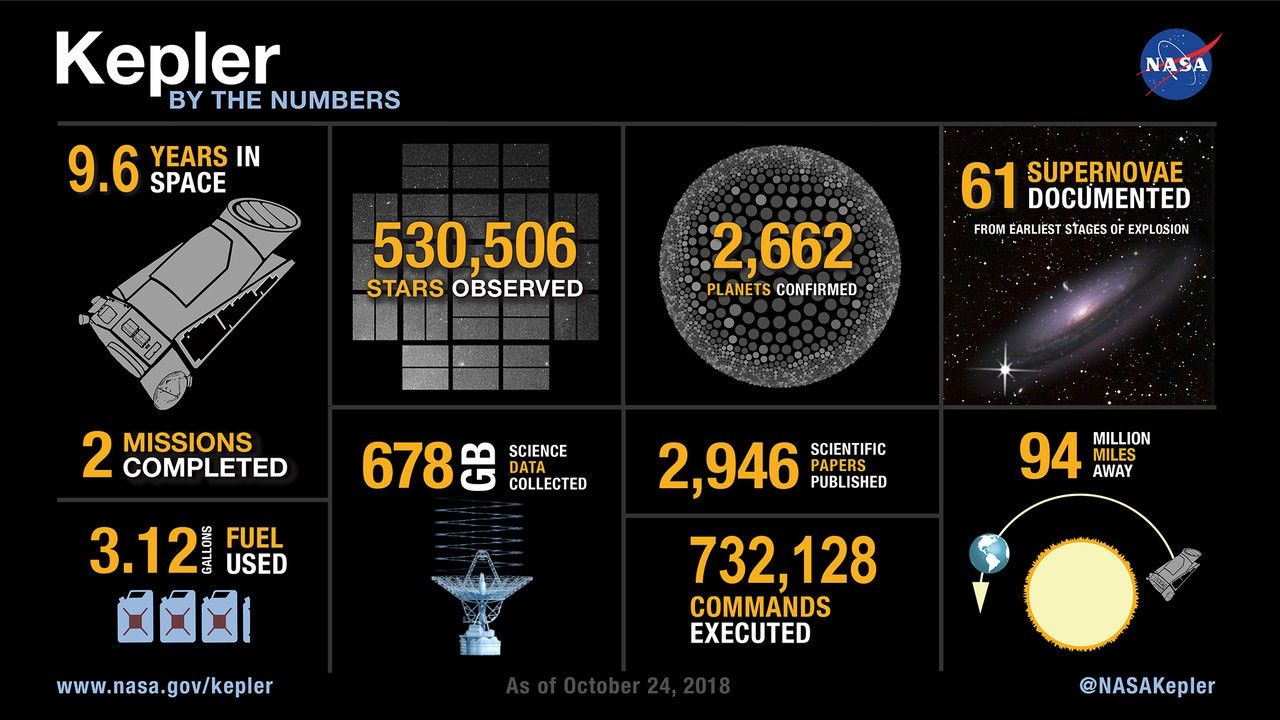
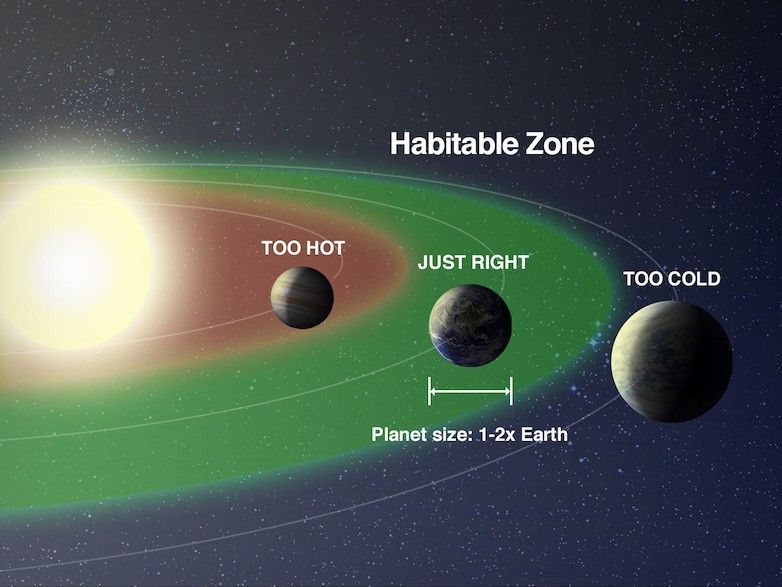
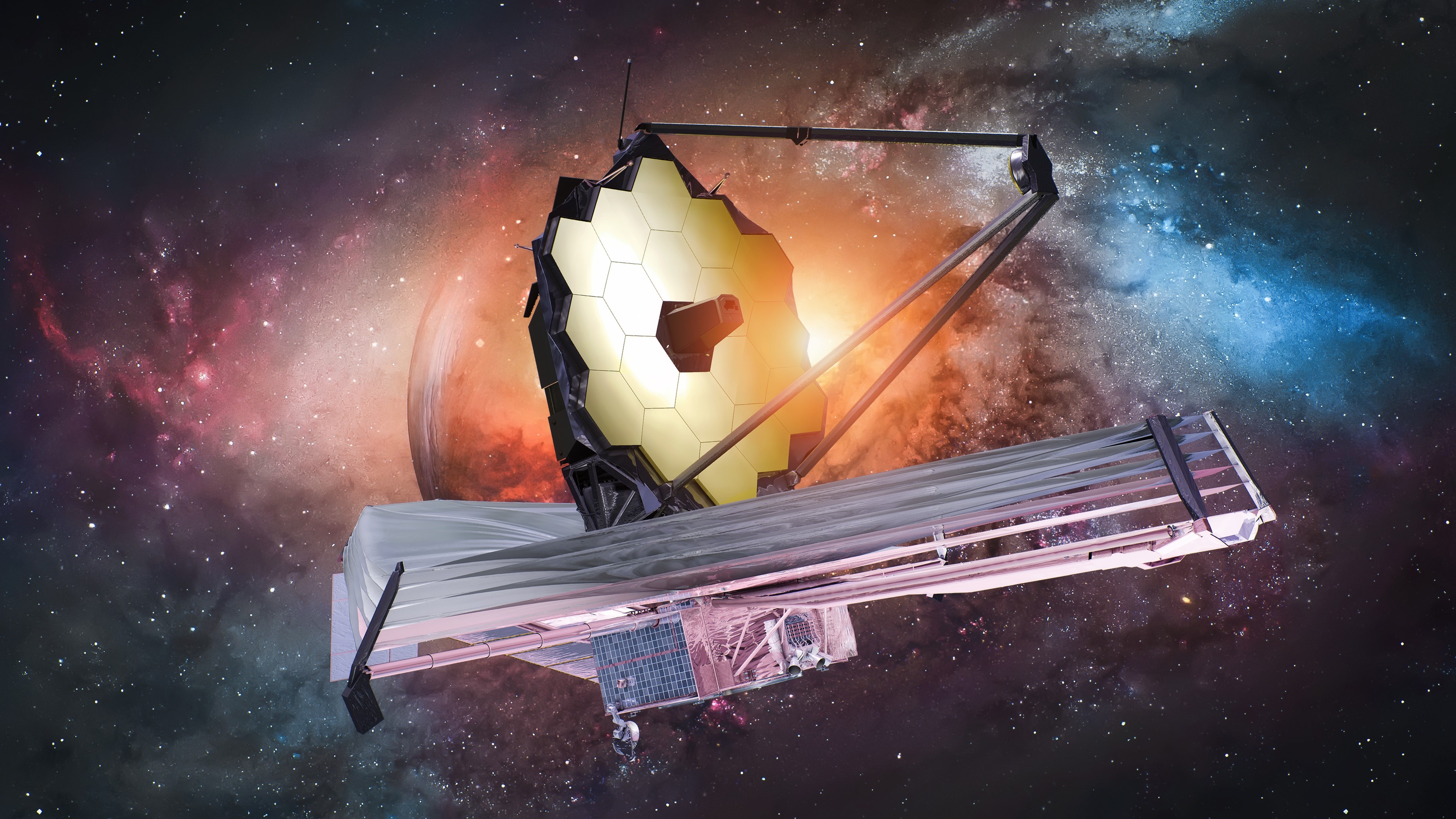
One of the biggest breakthroughs supporting alien life came from missions like NASA’s Kepler, TESS, and James Webb Space Telescope (JWST). These missions have found thousands of exoplanets, some of which lie in the habitable zone, a region where temperatures allow liquid water.
Important discoveries include:
-
Earth-like rocky planets around stars such as TRAPPIST-1
-
Super-Earths that are larger and potentially more stable than our planet
-
Planets with water vapor in their atmospheres, discovered by JWST
-
Worlds that might have oceans, clouds, or carbon-based molecules
These findings don’t confirm aliens—but they prove the conditions for life exist elsewhere.
3. The Search for Microbial Life Is Already Underway
While intelligent extraterrestrial beings remain theoretical, the scientific search focuses on microbial life, which is more likely and easier to detect.
Mars
Mars once had rivers, lakes, and a thick atmosphere. Rovers like Perseverance and Curiosity are currently studying soil samples for ancient microbial fossils.
Europa (Moon of Jupiter)
Europa’s underground ocean is one of the strongest candidates for alien life. Cracks in its icy surface leak chemicals that could support living organisms.
Enceladus (Moon of Saturn)
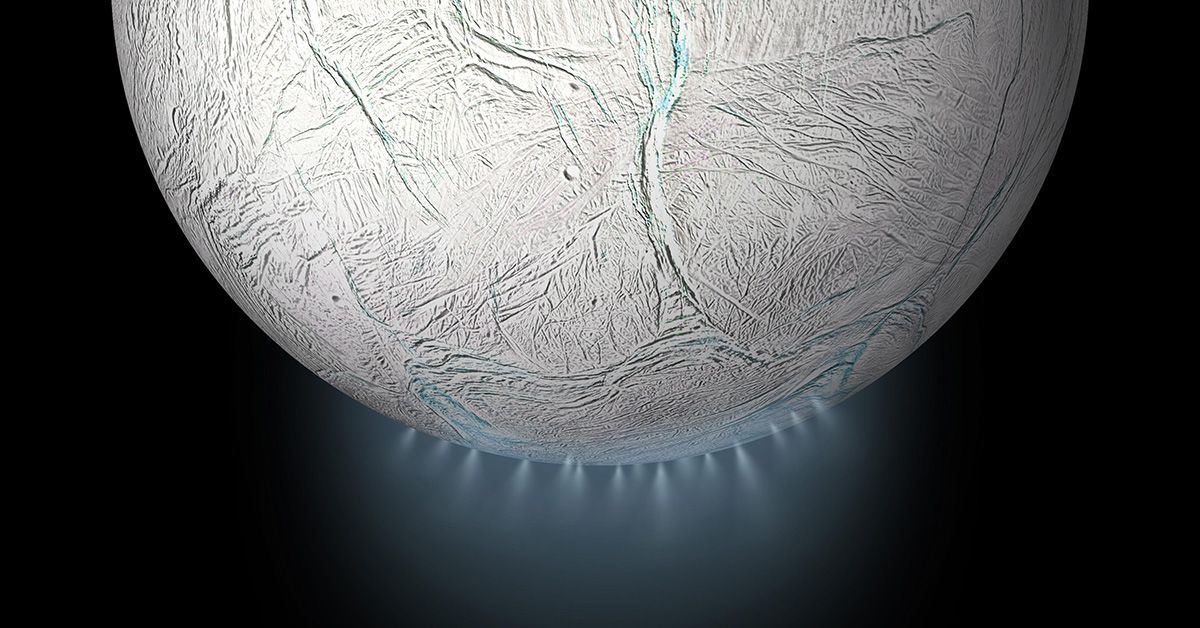
This moon shoots water vapor into space through its ice geysers. These plumes contain organic molecules, suggesting possible biological activity below its surface.
Titan (Moon of Saturn)
Titan has lakes of liquid methane—an extremely exotic environment where scientists believe life might exist in forms very different from Earth’s biology.
These missions don’t guarantee life, but they significantly strengthen the case.
4. Mysterious Signals From Space

Over the years, astronomers have detected strange, unexplained signals:
Fast Radio Bursts (FRBs)
Powerful pulses of radio waves lasting milliseconds. Most appear natural, but some show odd patterns.
The “Wow!” Signal
A famous 1977 radio spike detected by SETI researchers. It hasn’t been explained to this day.
Repeating signals from distant galaxies
Some FRBs repeat in patterns that don’t align with known cosmic processes.
Scientists caution that none of these signals prove alien intelligence, but they are intriguing anomalies that encourage further investigation.
5. UFOs and UAPs: What Governments Say


In recent years, governments—especially the U.S. Department of Defense—have publicly acknowledged sightings of “UAPs” (Unidentified Aerial Phenomena).
Key developments:
-
The Pentagon released real cockpit footage showing objects moving in ways current physics cannot explain.
-
U.S. Navy pilots have reported encounters with objects that had no visible propulsion yet showed extreme acceleration.
-
Official task forces now investigate UAPs seriously.
These don’t confirm extraterrestrials, but they suggest advanced technology far beyond our current capabilities—whether from Earth, another dimension, or somewhere else.
6. The Possibility of Ancient Aliens



Some researchers propose that ancient civilizations might have encountered extraterrestrial visitors, citing:
-
Strange symbols in cave drawings
-
Myths about gods who came from the sky
-
Megastructures like pyramids built with extreme precision
While mainstream science does not support these claims, they highlight how the idea of aliens has fascinated human cultures for thousands of years.
7. Why Haven’t We Found Aliens Yet?
This is known as the Fermi Paradox—if intelligent life is likely, why hasn’t it contacted us?
Possible explanations:
-
Intelligent life is extremely rare
-
Civilizations may have destroyed themselves before reaching us
-
We are too early in the universe’s timeline
-
Aliens might avoid us intentionally
-
They may communicate in ways we do not yet understand
-
Earth might be in a “cosmic wilderness” far from populated regions
Or maybe the universe is full of life, but the distances between civilizations are too vast.
8. Are We Close to Discovering Alien Life?

Yes. Several technologies are bringing us closer than ever:
-
JWST can detect atmospheric signatures like methane, carbon dioxide, and water vapor on distant planets.
-
Upcoming missions like Europa Clipper and Mars Sample Return aim specifically to search for signs of life.
-
AI-powered telescope arrays are scanning millions of stars for artificial signals.
Experts believe we may find strong evidence of microbial life in the next decade—and potential signs of intelligent life within this century.
Conclusion: Do Aliens Exist?
We still don’t have a definitive “yes,” but all scientific indicators point toward a strong possibility.
-
The universe is unimaginably vast.
-
Life-friendly planets are extremely common.
-
Microbial life could exist in our own solar system.
-
Unexplained signals and UAP sightings hint at unknown phenomena.
-
Technology is improving every year.
So while we haven’t met extraterrestrials yet, the answer is more likely “not yet” than “no.”
Humanity stands at the edge of one of the greatest discoveries in history. Whether life exists on Mars, a moon of Jupiter, or a distant Earth-like world, the search continues to grow more exciting with each passing year.
Read Also: Keep your face towards the sunshine and shadows will fall behind you
Watch Also: https://www.youtube.com/@TravelsofTheWorld24









Leave a Reply