
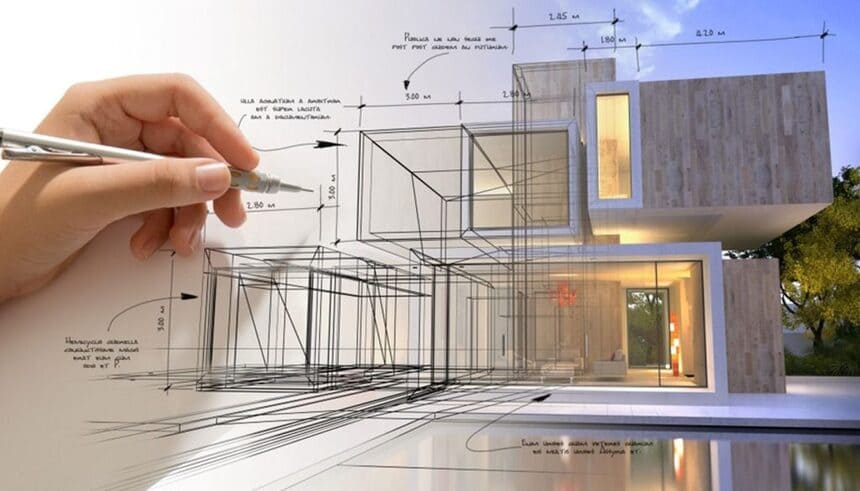
Architecture design is one of the most fascinating and essential aspects of the built environment. It shapes the way people live, work, and interact, blending functionality, aesthetics, sustainability, and innovation into tangible spaces. From ancient monuments to modern skyscrapers, architecture design influences our daily experiences, defines the identity of cities, and reflects cultural values.
This article provides a comprehensive overview of what architecture design is, its key principles, types, processes, importance, and real-world applications. It is an essential guide for students, professionals, and anyone curious about the art and science of designing spaces.
Definition of Architecture Design
Architecture design is the process of planning, conceptualizing, and creating physical spaces such as buildings, interiors, landscapes, and urban environments. It is both a creative and technical discipline, where architects combine artistic vision with engineering principles to develop functional, safe, and visually appealing structures.
It is not merely about aesthetics or drawing; architecture design considers: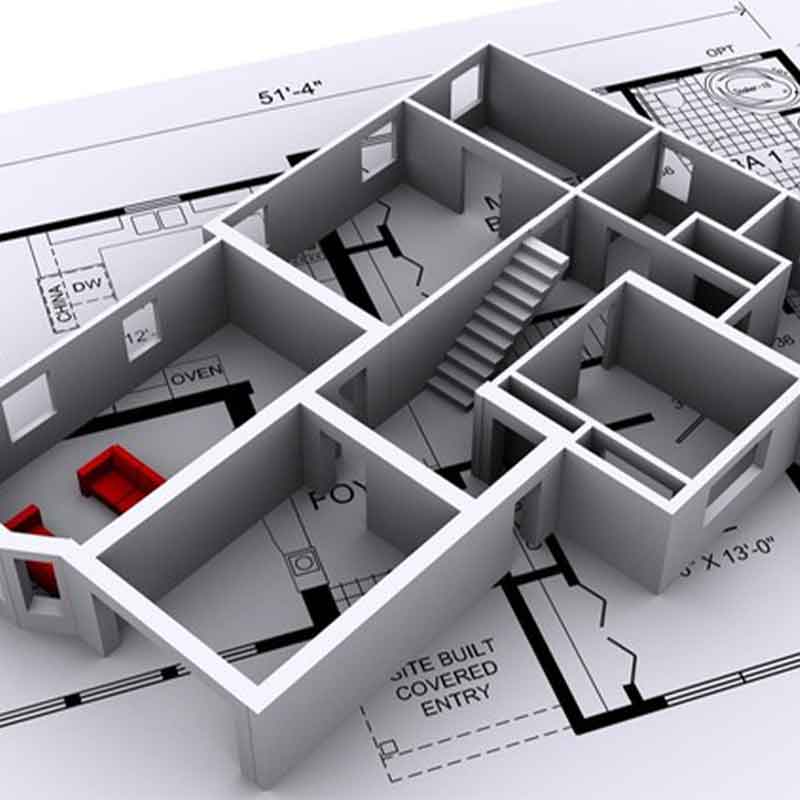
-
Functionality: The space must serve its intended purpose.
-
Safety: Structures should be structurally sound and comply with building codes.
-
Sustainability: Materials and methods should minimize environmental impact.
-
Human Experience: Spaces must be comfortable, accessible, and psychologically engaging.
-
Cultural Expression: Designs often reflect social, historical, and cultural contexts.
Key Principles of Architecture Design
Successful architecture design is guided by several fundamental principles:
1. Functionality
A building or space must meet the practical needs of its users. Architects consider workflow, space utilization, accessibility, and ergonomics.
2. Form and Aesthetics
Visual appeal is essential. Elements like proportion, symmetry, rhythm, texture, color, and scale define the beauty of a structure.
3. Context and Environment
Architecture should harmonize with its surroundings, climate, topography, and cultural setting. Context-sensitive design ensures sustainability and integration.
4. Safety and Structural Integrity
Designs must follow engineering principles to resist loads, weather, and natural forces, ensuring the safety of occupants.
5. Sustainability
Modern architecture prioritizes energy efficiency, renewable materials, water conservation, and environmentally friendly construction techniques.
6. Innovation
Architecture design often involves problem-solving, creativity, and the use of new materials, technologies, and methods.
7. Human Experience
Design should enhance how people feel and interact within a space, considering lighting, ventilation, acoustics, and spatial flow.
Types of Architecture Design
Architecture design encompasses multiple fields, each focusing on specific aspects of the built environment:
1. Residential Design
-
Homes, apartments, and housing complexes
-
Focus on comfort, aesthetics, privacy, and functionality
2. Commercial Design
-
Offices, retail stores, hotels, and restaurants
-
Emphasis on brand identity, workflow, and customer experience
3. Interior Architecture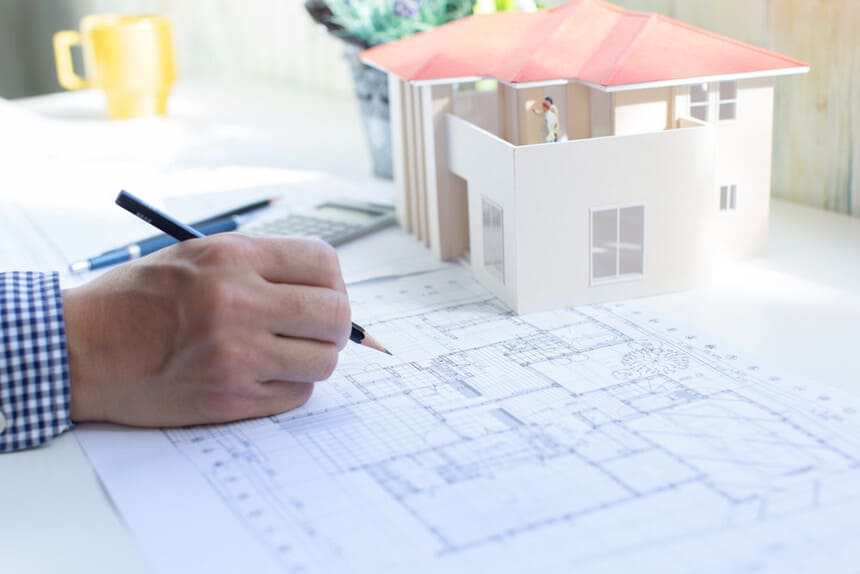
-
Designing interiors, furniture, and spatial layouts
-
Ensures functional, visually appealing, and ergonomic interior spaces
4. Landscape Architecture
-
Parks, gardens, plazas, and urban green spaces
-
Integrates natural and built elements for public use and environmental sustainability
5. Urban Design
-
City planning, transportation systems, public spaces, and zoning
-
Enhances livability, connectivity, and community well-being
6. Sustainable and Green Architecture
-
Focuses on energy efficiency, renewable materials, and low-impact design
-
Incorporates solar panels, rainwater harvesting, natural ventilation, and eco-friendly materials
7. Cultural and Heritage Architecture
-
Preserving historical monuments, temples, and culturally significant structures
-
Combines restoration with modern design interventions
The Architecture Design Process
Architecture design involves multiple stages, from concept to completion:
1. Research and Analysis
-
Study the site, environment, and local context
-
Understand client needs, goals, and budget
-
Analyze regulations, codes, and sustainability requirements
2. Concept Development
-
Generate initial design ideas, sketches, and concepts
-
Explore various forms, spatial arrangements, and aesthetics
-
Use brainstorming, inspiration boards, and early models
3. Schematic Design
-
Create preliminary layouts, floor plans, and elevations
-
Focus on space planning, circulation, and basic structure
4. Design Development
-
Refine the design with more details
-
Include materials, finishes, and structural elements
-
Develop 3D models and renderings for visualization
5. Technical Documentation
-
Prepare detailed drawings, blueprints, and construction plans
-
Include structural, electrical, plumbing, HVAC, and safety specifications
6. Construction Administration
-
Collaborate with contractors, engineers, and consultants
-
Monitor construction to ensure design fidelity and quality
-
Address site challenges and make necessary adjustments
7. Post-Occupancy Evaluation
-
Assess the completed project for functionality, comfort, and sustainability
-
Identify areas for improvement in future projects
Read Also: The Race to 300 mph: Will Hennessey or Koenigsegg Break the Speed Record in 2025?
Importance of Architecture Design
Architecture design is more than constructing buildings; it has far-reaching impacts:
-
Enhances Quality of Life: Well-designed spaces improve comfort, health, and productivity.
-
Reflects Cultural Identity: Architecture expresses social, historical, and cultural values.
-
Supports Sustainability: Eco-conscious design reduces environmental impact.
-
Drives Innovation: Architects create creative solutions for urban challenges.
-
Shapes Urban Landscapes: Design influences the organization, aesthetics, and functionality of cities.
-
Economic Benefits: Good design can attract businesses, tourism, and increase property value.
Skills Required for Architecture Design
Architecture design requires a combination of technical, creative, and interpersonal skills:
-
Creativity and Artistic Vision: Ability to generate innovative ideas and visually appealing concepts
-
Technical Knowledge: Understanding of materials, structures, engineering, and construction processes
-
Software Proficiency: AutoCAD, Revit, SketchUp, Rhino, BIM, Lumion, Photoshop, Illustrator
-
Problem-Solving Skills: Finding functional solutions for design challenges
-
Communication Skills: Presenting concepts to clients, stakeholders, and teams
-
Time Management: Handling multiple projects and deadlines efficiently
-
Collaboration: Working with engineers, contractors, and clients
Real-World Applications
Architecture design impacts almost every aspect of the built environment:
-
Residential Spaces: Apartments, homes, and townhouses designed for comfort and efficiency
-
Commercial Spaces: Offices, hotels, and retail spaces optimized for business goals
-
Public Spaces: Parks, squares, and transportation hubs designed for usability and accessibility
-
Cultural Buildings: Museums, theaters, and religious structures expressing heritage
-
Urban Planning: Masterplans for cities that improve mobility, sustainability, and community life
-
Sustainable Projects: Eco-friendly buildings reducing energy consumption and carbon footprint
Conclusion
Architecture design is the backbone of our physical environment. It is an art, a science, and a social responsibility rolled into one discipline. Architects translate concepts into real-world spaces, balancing aesthetics, functionality, safety, and sustainability.
Understanding architecture design involves recognizing its principles, processes, types, and societal impact. Whether it’s designing a family home, a corporate office, or an entire urban neighborhood, architecture design influences how people live, interact, and experience the world around them.
For students, professionals, and enthusiasts, appreciating the depth of architecture design is the first step toward creating spaces that are beautiful, functional, and meaningful—spaces that will stand the test of time.
Watch Also: https://www.youtube.com/@TravelsofTheWorld24








Leave a Reply