
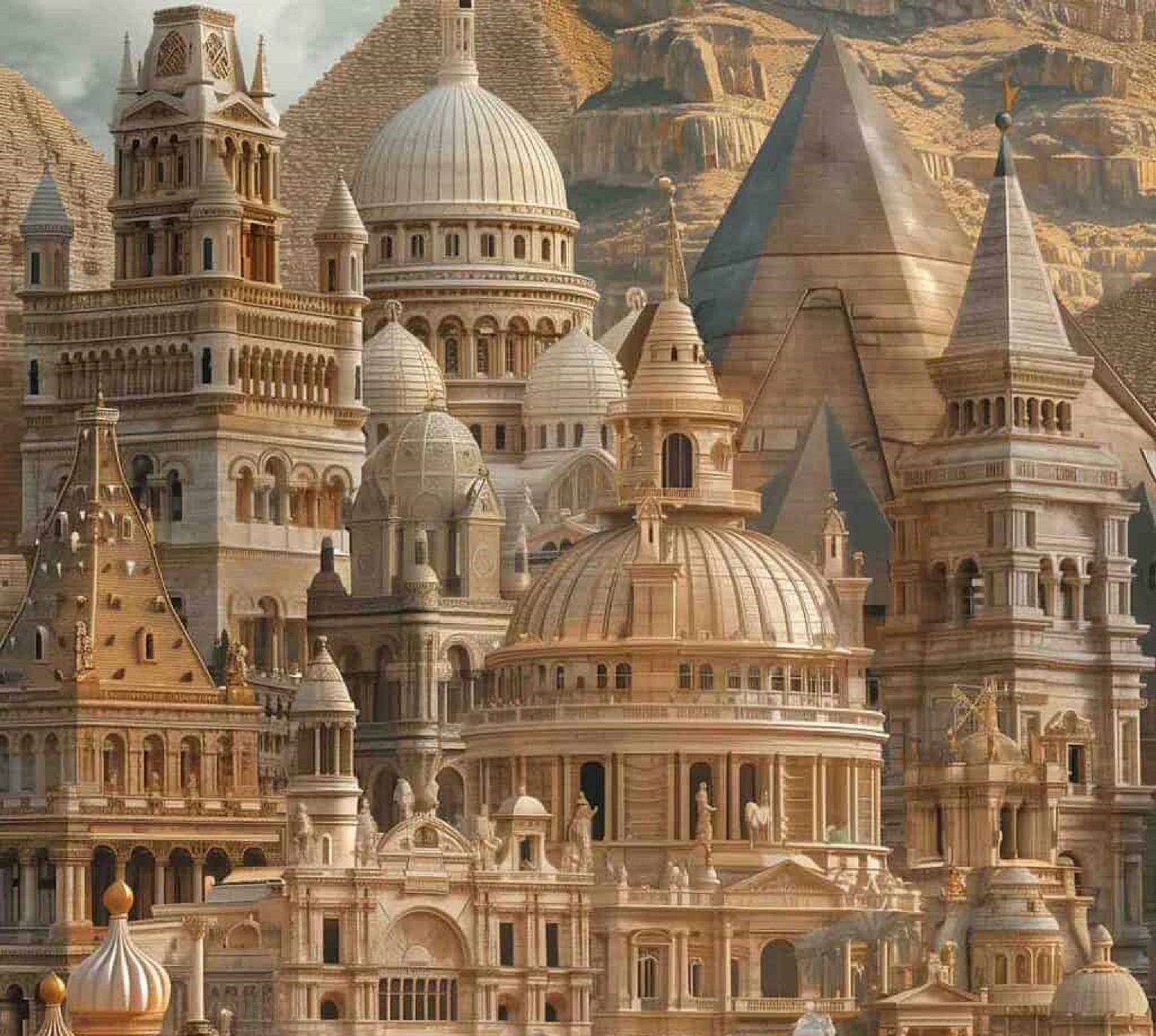
Vintage Architecture: 4 Fascinating Aspects
Vintage architecture, with its timeless charm and historical significance, continues to captivate architects, historians, and enthusiasts around the world. It represents a period when craftsmanship, detail, and cultural identity were intricately woven into the design of buildings. Unlike modern constructions that often prioritize speed and efficiency, vintage architecture emphasizes aesthetic richness, material quality, and storytelling through design.
This article explores four fascinating aspects of vintage architecture, illustrating why these structures remain influential and cherished today.
1. Ornamental Detailing
One of the most striking features of vintage architecture is its ornamental detailing. From intricate stone carvings to elaborate moldings, these details reflect the artistry and skill of craftsmen.
-
Facades and Exteriors: Many vintage buildings feature decorative cornices, pilasters, and balustrades that add depth and texture.
-
Interior Spaces: Ceilings often boast frescoes, coffered designs, or plaster motifs, while staircases and doorways are adorned with carvings and railings.
-
Symbolism: Ornamentation frequently conveyed cultural, religious, or social messages, embedding meaning into the very fabric of the structure.
Example: Victorian-era homes are known for their ornate woodwork, patterned brickwork, and decorative gables, which give each building a unique personality.
Why It Fascinates: These details demonstrate a level of craftsmanship rarely seen in contemporary architecture, showing how design can transform a structure into a work of art.
2. Use of Durable Materials
Vintage architecture often employed long-lasting, high-quality materials that have allowed these structures to survive for centuries.
-
Stone and Brick: Common in classical and medieval architecture, these materials provided strength and thermal insulation.
-
Wood: Used for structural frameworks, flooring, and paneling, often featuring intricate joinery and carvings.
-
Metalwork: Iron and bronze were employed in railings, gates, and decorative elements.
-
Glass: Stained or etched glass added both beauty and light, particularly in windows and skylights.
Example: Gothic cathedrals used limestone and marble to construct soaring walls and elaborate facades, which remain awe-inspiring today.
Why It Fascinates: The longevity and resilience of these materials reflect an era when durability and quality were paramount, highlighting the sustainable practices inherent in vintage construction.
3. Architectural Styles and Cultural Influence
Vintage architecture encompasses a variety of styles, each reflecting its cultural, historical, and social context.
-
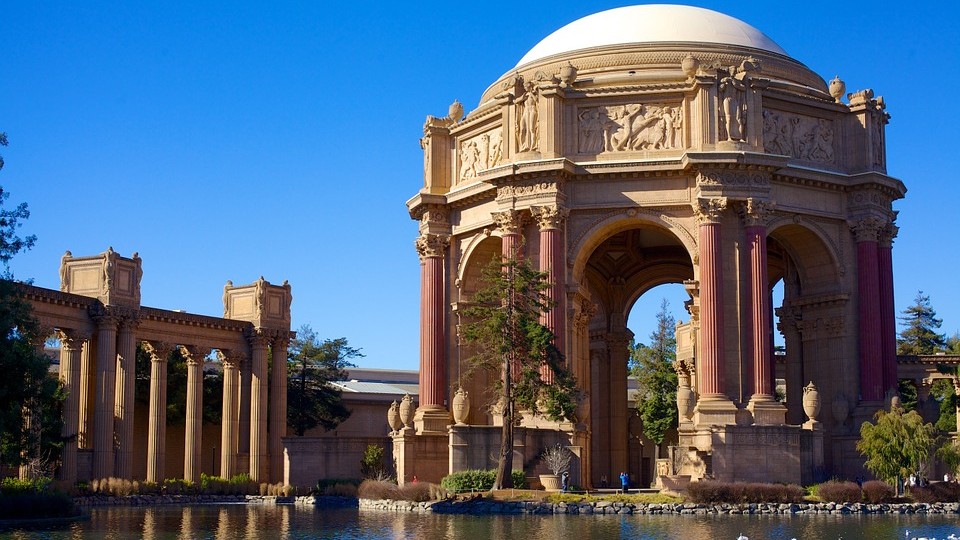
Classical Architecture: Inspired by Greek and Roman principles, emphasizing symmetry, columns, and proportion.
-
Gothic Architecture: Known for pointed arches, ribbed vaults, flying buttresses, and ornate stained glass.
-
Victorian Architecture: Features eclectic ornamentation, bay windows, and steeply pitched roofs.
-
Colonial Architecture: Combines local and European influences, often with verandas, courtyards, and functional layouts.
Cultural Reflection: Vintage buildings often reveal the values, religious beliefs, and social hierarchies of the time. For example, castles and palaces were designed to project power and prestige, while religious structures emphasized spirituality and community.
Why It Fascinates: Each style tells a story, allowing modern audiences to connect with the historical and cultural narratives embedded in architecture.
4. Spatial Organization and Human Experience
Vintage architecture places a strong emphasis on how people experience space. The layout, circulation, and proportions are carefully considered to create functional, comfortable, and aesthetically pleasing environments.
-
Hierarchy of Spaces: Public, private, and service areas were often clearly delineated, providing order and clarity.
-
Proportions and Scale: Rooms, hallways, and facades were designed according to classical rules of proportion, ensuring harmony and visual balance.
-
Integration with Nature: Courtyards, gardens, and terraces allowed buildings to interact with their surroundings, enhancing the sensory experience.
-
Light and Ventilation: Large windows, skylights, and open layouts facilitated natural lighting and airflow, creating healthier living spaces.
Example: Renaissance villas in Italy combined symmetrical gardens with proportional interiors, creating a seamless flow between indoor and outdoor spaces.
Why It Fascinates: Vintage architecture demonstrates an attentiveness to human experience, reminding us that design should serve both functional and emotional needs.
Read Also: The Race to 300 mph: Will Hennessey or Koenigsegg Break the Speed Record in 2025?
Preservation and Modern Relevance
Vintage architecture continues to influence contemporary design in several ways:
-
Restoration Projects: Many cities prioritize the preservation and adaptive reuse of historic buildings, maintaining their charm while upgrading functionality.
-
Inspirational Design: Architects draw from vintage styles for inspiration in modern homes, commercial buildings, and public spaces.
-
Sustainability Lessons: Durable materials, natural ventilation, and thoughtful spatial planning offer lessons in environmentally conscious design.
-
Cultural Identity: Preserving vintage architecture helps maintain the historical and cultural identity of cities and communities.
Example: Adaptive reuse of industrial-era warehouses into loft apartments maintains historic character while meeting modern needs.
Conclusion
Vintage architecture captivates because it combines craftsmanship, durability, style, and human-centered design. From ornamental detailing and resilient materials to cultural expression and spatial harmony, vintage buildings provide a rich source of inspiration and education for architects, historians, and enthusiasts alike.
Exploring vintage architecture allows us to appreciate the artistry of the past, understand the social and cultural contexts of historic buildings, and apply timeless principles to modern design. By studying these fascinating aspects, we can ensure that the beauty and wisdom of vintage architecture continue to enrich our built environment for generations to come.
Watch Also: https://www.youtube.com/@TravelsofTheWorld24









Leave a Reply