
Architecture is more than the creation of buildings; it is a discipline that blends art, science, and philosophy. The theory of architecture examines the principles, ideas, and conceptual frameworks that guide architects in designing spaces, structures, and environments. It addresses questions of functionality, aesthetics, social impact, and cultural meaning, providing a foundation for both historical and contemporary architectural practice.
This article explores the core concepts, schools of thought, historical evolution, and applications of architectural theory, highlighting why it remains essential for architects, students, and urban planners.
What is Architectural Theory?
Architectural theory refers to the systematic study of architectural principles and ideas. It examines:
-
Why buildings look and function the way they do
-
How architecture communicates cultural, social, and symbolic meaning
-
The relationship between form, function, and context
Unlike architectural practice, which focuses on construction, architectural theory emphasizes conceptual reasoning, critique, and interpretation. It provides architects with a framework to make informed design decisions, ensuring that buildings are not only functional but also meaningful and contextually appropriate.
Key Concepts in Architectural Theory
1. Functionality
Functionality addresses the practical use of space:
-
How buildings meet the needs of occupants
-
Spatial organization, circulation, and usability
-
Integration of infrastructure, lighting, and environmental considerations
A building may be visually striking, but without functionality, it cannot serve its purpose effectively.
2. Form and Aesthetics
Form is the shape and appearance of a building, while aesthetics deals with its visual appeal:
-
Proportion, scale, and symmetry
-
Materiality, texture, and color
-
Balance between ornamentation and minimalism
Architectural theory studies how form influences perception and contributes to cultural or emotional impact.
3. Contextualism
Architecture does not exist in isolation. Contextualism examines:
-
Site-specific conditions such as climate, topography, and urban fabric
-
Historical and cultural surroundings
-
Integration with natural and built environments
A design that respects its context fosters sustainability, harmony, and cultural continuity.
4. Symbolism and Meaning
Buildings often convey messages beyond functionality:
-
Religious or spiritual symbolism (temples, mosques, churches)
-
Civic identity (monuments, government buildings)
-
Personal expression or artistic intent (museums, galleries)
Architectural theory interprets these symbolic meanings, allowing architects to design spaces that communicate effectively.
5. Technology and Innovation
Modern architectural theory considers the impact of materials, construction techniques, and digital tools:
-
Use of concrete, steel, glass, and composites
-
Sustainable building practices and energy efficiency
-
Integration of smart technology and parametric design
Technology shapes how architects can realize conceptual ideas, pushing the boundaries of form and function.
Historical Evolution of Architectural Theory
Architectural theory has evolved alongside human civilization, reflecting cultural, technological, and philosophical shifts.
1. Ancient and Classical Periods
-
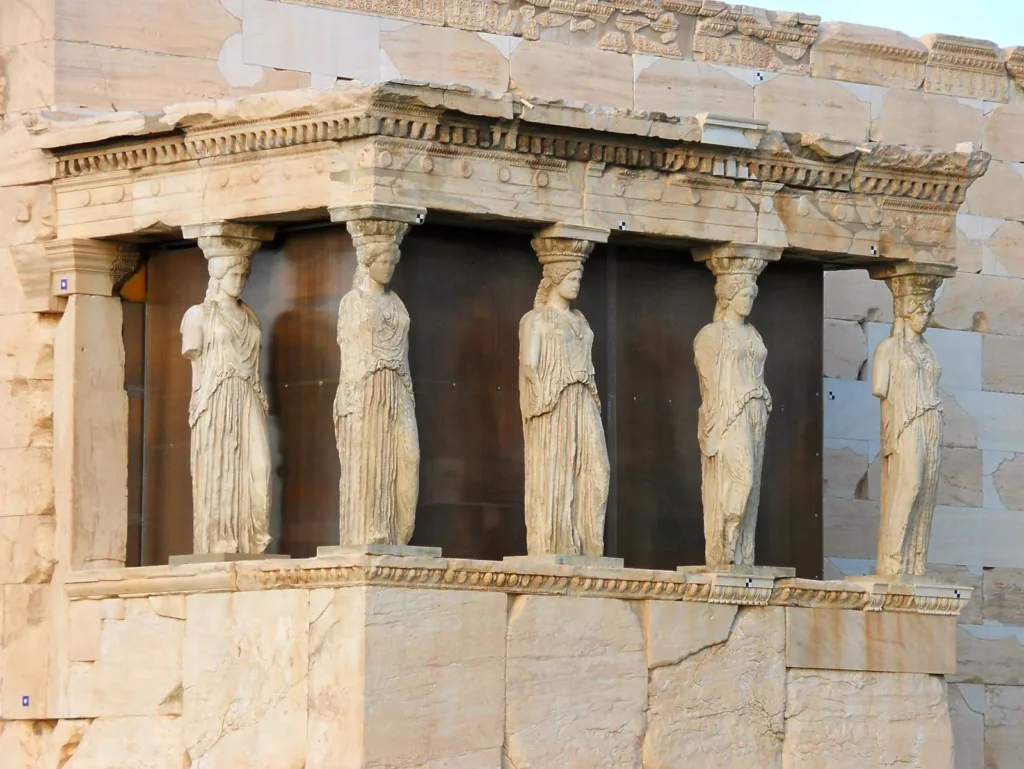
Greek and Roman architecture: Emphasis on proportion, symmetry, and order (Vitruvius’ “De Architectura”)
-
Principles of firmitas (strength), utilitas (utility), venustas (beauty) became foundational
2. Medieval and Gothic Architecture
-
Focus on spirituality and symbolism
-
Gothic cathedrals with pointed arches, ribbed vaults, and stained glass reflected religious values and structural innovation
3. Renaissance and Baroque
-
Revival of classical principles combined with humanist ideals
-
Emphasis on perspective, proportion, and harmony
-
Architects like Leon Battista Alberti and Michelangelo integrated art, mathematics, and philosophy
4. Modernism
-
20th century saw functionalism, minimalism, and rationalism
-
Architects like Le Corbusier, Mies van der Rohe, and Frank Lloyd Wright emphasized simplicity, open plans, and integration with nature
-
Theory focused on social and technological progress
5. Contemporary and Postmodern Theory
-
Postmodernism challenged modernist principles, reintroducing ornament, context, and historical references
-
Sustainable and digital design theories emphasize ecology, interactivity, and computational methods
-
Contemporary theory addresses urban planning, globalization, and cultural sensitivity
Read Also: The Race to 300 mph: Will Hennessey or Koenigsegg Break the Speed Record in 2025?
Schools of Thought in Architectural Theory
-
Vitruvian Principles: Emphasize strength, utility, and beauty as universal architectural guidelines.
-
Functionalism: Buildings should prioritize practical use and efficiency.
-
Formalism: Focus on visual composition, form, and artistic expression.
-
Contextualism: Architecture must respond to its environment and culture.
-
Sustainability Theory: Buildings should minimize environmental impact while maximizing efficiency and livability.
-
Phenomenology: Examines how humans experience spaces, emphasizing perception, emotion, and atmosphere.
-
Deconstructivism: Challenges traditional notions of order and harmony, exploring fragmented and dynamic forms.
Applications of Architectural Theory
1. Design Process
Architectural theory informs every stage:
-
Concept development and ideation
-
Spatial organization and circulation planning
-
Material selection and structural systems
2. Critique and Evaluation
Theoretical frameworks help analyze existing architecture, assessing functionality, aesthetics, and social impact.
3. Urban Planning
Theory guides city design, zoning, and public space planning, balancing human needs with environmental and cultural considerations.
4. Education
Architectural theory is a core subject in architecture schools, cultivating critical thinking, creativity, and design literacy.
5. Preservation and Restoration
Understanding historical theory aids in restoring monuments and heritage sites, ensuring authenticity and cultural integrity.
Why Architectural Theory Matters Today
-
Encourages informed and purposeful design rather than arbitrary construction
-
Bridges the gap between artistic vision and practical application
-
Promotes cultural sensitivity, sustainability, and technological integration
-
Helps architects anticipate social, environmental, and urban impacts of their work
-
Inspires innovation and experimentation while respecting historical knowledge
Famous Works and Theorists
-
Vitruvius (Ancient Rome): Author of De Architectura, foundational text on proportion and function
-
Leon Battista Alberti (Renaissance): Explored harmony, beauty, and urban design
-
Le Corbusier (Modernism): Advocate of functionalist principles and modular design
-
Christopher Alexander (Contemporary): Introduced pattern language for human-centered architecture
-
Peter Zumthor (Phenomenology): Focused on sensory experience and materiality
Studying these figures provides insight into how theory translates into practice, shaping the evolution of architecture over time.
Watch Also: https://www.youtube.com/@TravelsofTheWorld24










Leave a Reply