
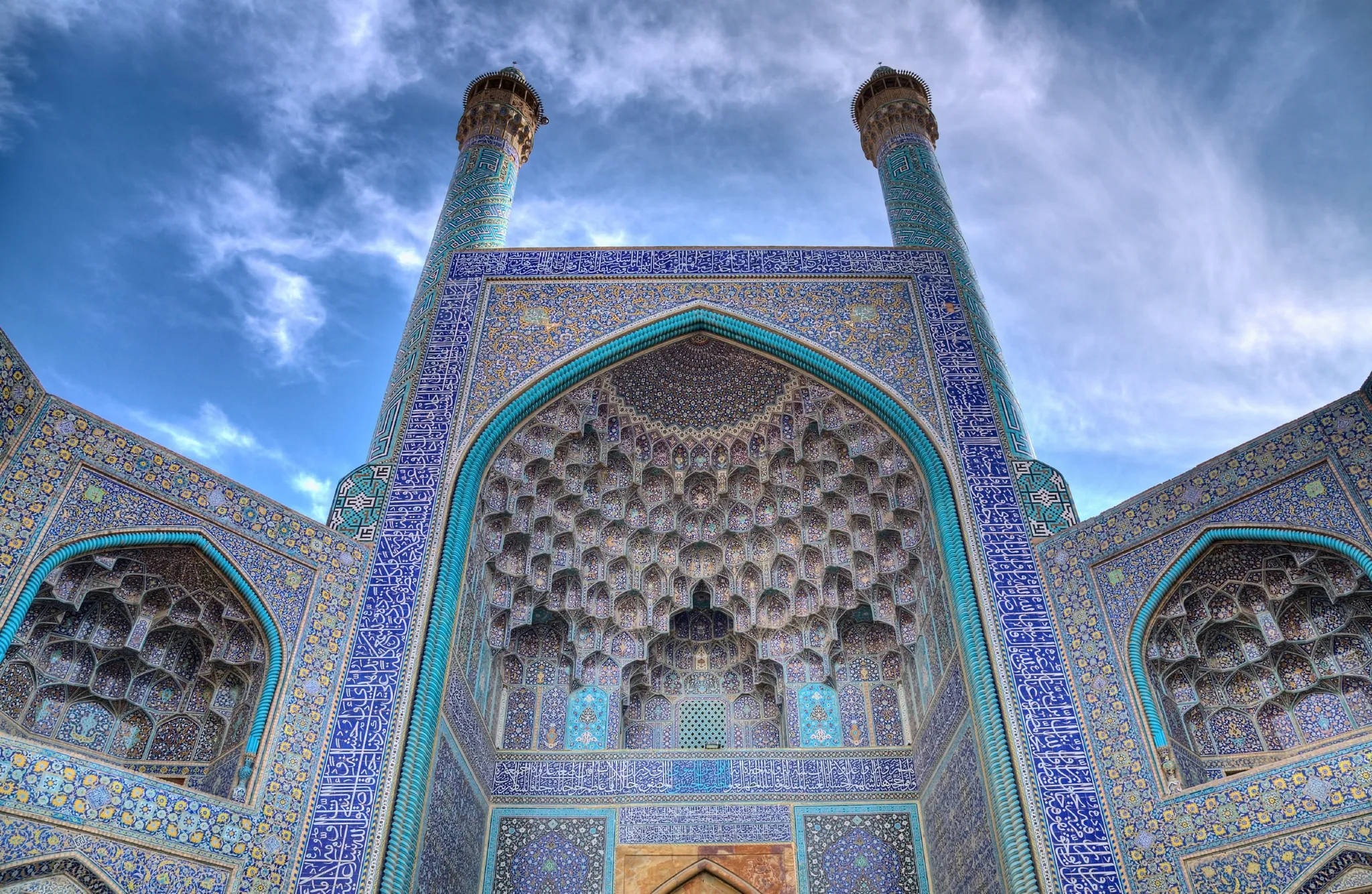
Architecture is more than just buildings; it is a reflection of culture, history, innovation, and human creativity. Touring the world to explore its finest architectural marvels is a journey that combines art, history, and travel. From ancient wonders to modern masterpieces, architecture offers a unique window into civilizations and the vision of architects who dared to imagine the extraordinary.
This guide takes you through some of the world’s most iconic architectural sites, how to plan your architectural tour, what to expect, and tips to make the experience unforgettable.
Why Touring Architecture Matters
Architecture tourism is a growing niche for travelers who appreciate design, history, and culture. Here’s why it matters:
-
Cultural Insight: Buildings reflect the traditions, values, and beliefs of societies.
-
Historical Understanding: Ancient structures provide context about human progress, technology, and lifestyle.
-
Inspiration: Seeing innovative design can inspire architects, designers, students, and artists.
-
Photography Opportunities: Architectural landmarks offer stunning visuals for photography enthusiasts.
-
Educational Value: Touring iconic buildings offers hands-on learning experiences about materials, structures, and urban planning.
Whether you are a professional architect, student, or casual traveler, experiencing architecture first-hand leaves a lasting impression.
Iconic Architectural Sites to Include in Your Tour
1. The Pyramids of Giza, Egypt
One of the oldest and most fascinating architectural wonders, the Pyramids of Giza exemplify ancient Egyptian engineering. Built over 4,500 years ago, the precise alignment, monumental scale, and durability of these pyramids continue to amaze architects and historians worldwide.
Tip: Visit early in the morning to avoid crowds and capture the perfect lighting for photography.
2. Parthenon, Athens, Greece
The Parthenon is a masterpiece of classical architecture. Constructed in the 5th century BCE, it features Doric columns, proportional symmetry, and intricate sculptures. It symbolizes the birth of Western architecture and democracy.
Tip: Explore the surrounding Acropolis Museum to see original sculptures and artifacts.
3. Taj Mahal, India
The Taj Mahal, a UNESCO World Heritage Site, is renowned for its Mughal architecture. Its white marble façade, intricate carvings, and symmetrical gardens exemplify beauty, precision, and emotional storytelling in design.
Tip: Sunrise or sunset visits provide the most magical views of the monument.
4. Eiffel Tower, Paris, France
A symbol of modern architecture and engineering innovation, the Eiffel Tower combines wrought iron construction with aesthetic elegance. Built in 1889, it remains a testament to the Industrial Revolution and Parisian creativity.
Tip: Book tickets in advance for the tower’s top observation deck for panoramic city views.
5. Sagrada Familia, Barcelona, Spain
Designed by Antoni Gaudí, Sagrada Familia is a blend of Gothic and Art Nouveau architecture. Its organic forms, intricate façades, and towering spires make it a living work of art still under construction today.
Tip: Hire a guide to fully appreciate Gaudí’s symbolism and structural ingenuity.
6. Fallingwater, Pennsylvania, USA
Frank Lloyd Wright’s Fallingwater is a masterpiece of organic architecture. Built over a waterfall, it seamlessly integrates with the natural landscape, demonstrating harmony between human habitation and the environment.
Tip: Combine the visit with a hike in Bear Run Nature Reserve for a complete experience.
7. Burj Khalifa, Dubai, UAE
The Burj Khalifa is a modern marvel and the world’s tallest building. It showcases contemporary architecture, advanced engineering, and sustainability innovations in skyscraper design.
Tip: Visit during the evening to enjoy both the city lights and the Fountain Show at its base.
8. Sydney Opera House, Sydney, Australia
With its distinctive sail-like structures, the Sydney Opera House is an icon of 20th-century architecture. Its combination of engineering innovation and artistic expression makes it a must-visit for architecture enthusiasts.
Tip: Attend a performance inside to experience the building’s acoustics and interior design firsthand.
9. St. Basil’s Cathedral, Moscow, Russia
St. Basil’s Cathedral is a colorful, onion-domed wonder that exemplifies Russian Orthodox architecture. Its asymmetrical design, vibrant colors, and intricate details make it instantly recognizable worldwide.
Tip: Explore the nearby Red Square and Kremlin for a complete architectural and historical experience.
10. The Colosseum, Rome, Italy
The Colosseum is a testament to ancient Roman engineering and architecture. Its elliptical structure, advanced use of arches, and seating design reveal the ingenuity of the Roman Empire.
Tip: Take a guided tour to understand the arena’s history and structural design.
Planning Your Architectural Tour
1. Choose Your Focus
Decide whether you want to focus on:
-
Ancient architecture
-
Modern skyscrapers
-
Religious and cultural structures
-
Sustainable and green buildings
-
Urban design and city planning
Having a focus helps you plan routes and select landmarks effectively.
2. Research and Itinerary
-
Study each site’s history, design style, and significance.
-
Plan visits based on location, opening hours, and peak crowd times.
-
Include museums, local architectural tours, and walking paths.
3. Budgeting
Architectural tours can vary in cost. Consider:
-
Travel expenses (flights, local transport)
-
Entry fees and guided tours
-
Accommodation near architectural landmarks
-
Photography equipment
4. Travel Essentials
-
Comfortable walking shoes
-
Camera or smartphone for photos
-
Notebook or sketchbook for observations
-
Local maps and guides
5. Cultural Etiquette
Respect cultural norms, religious sensitivities, and site rules. Many landmarks have restrictions on photography or require specific attire.
Read Also: The Race to 300 mph: Will Hennessey or Koenigsegg Break the Speed Record in 2025?
Tips for Architecture Enthusiasts
-
Take Notes and Sketch: Observing and sketching structures helps retain design insights.
-
Engage Local Guides: Local guides provide historical context and hidden architectural details.
-
Photograph Mindfully: Focus on symmetry, patterns, textures, and unique angles.
-
Visit Off-Peak: Early mornings or weekdays reduce crowds and enhance your experience.
-
Learn Architectural Terms: Understanding terminology like “flying buttress,” “cantilever,” or “vault” enriches your tour.
-
Combine Tours: Pair architectural sites with cultural, historical, or culinary experiences for a holistic trip.
Benefits of Touring Architecture
-
Educational: Understand design principles, engineering innovations, and cultural history.
-
Inspirational: Spark creativity and new ideas for architects, designers, and students.
-
Cultural Immersion: Connect with different societies and their artistic expressions.
-
Networking: Meet local architects, historians, and enthusiasts to exchange ideas.
-
Personal Growth: Develop an appreciation for human creativity, sustainability, and global diversity.
Conclusion
Touring the world’s best architecture is not just a journey through buildings—it is a journey through time, culture, innovation, and human achievement. From ancient wonders to modern masterpieces, every structure tells a story of creativity, problem-solving, and cultural identity.
Whether you are a professional architect, a student, or a passionate traveler, exploring architectural landmarks provides inspiration, education, and unforgettable experiences. Careful planning, research, and an appreciation for detail can transform your tour into a deeply enriching adventure, connecting you with the beauty and ingenuity of the world’s finest designs.
Watch Also: https://www.youtube.com/@TravelsofTheWorld24








Leave a Reply