
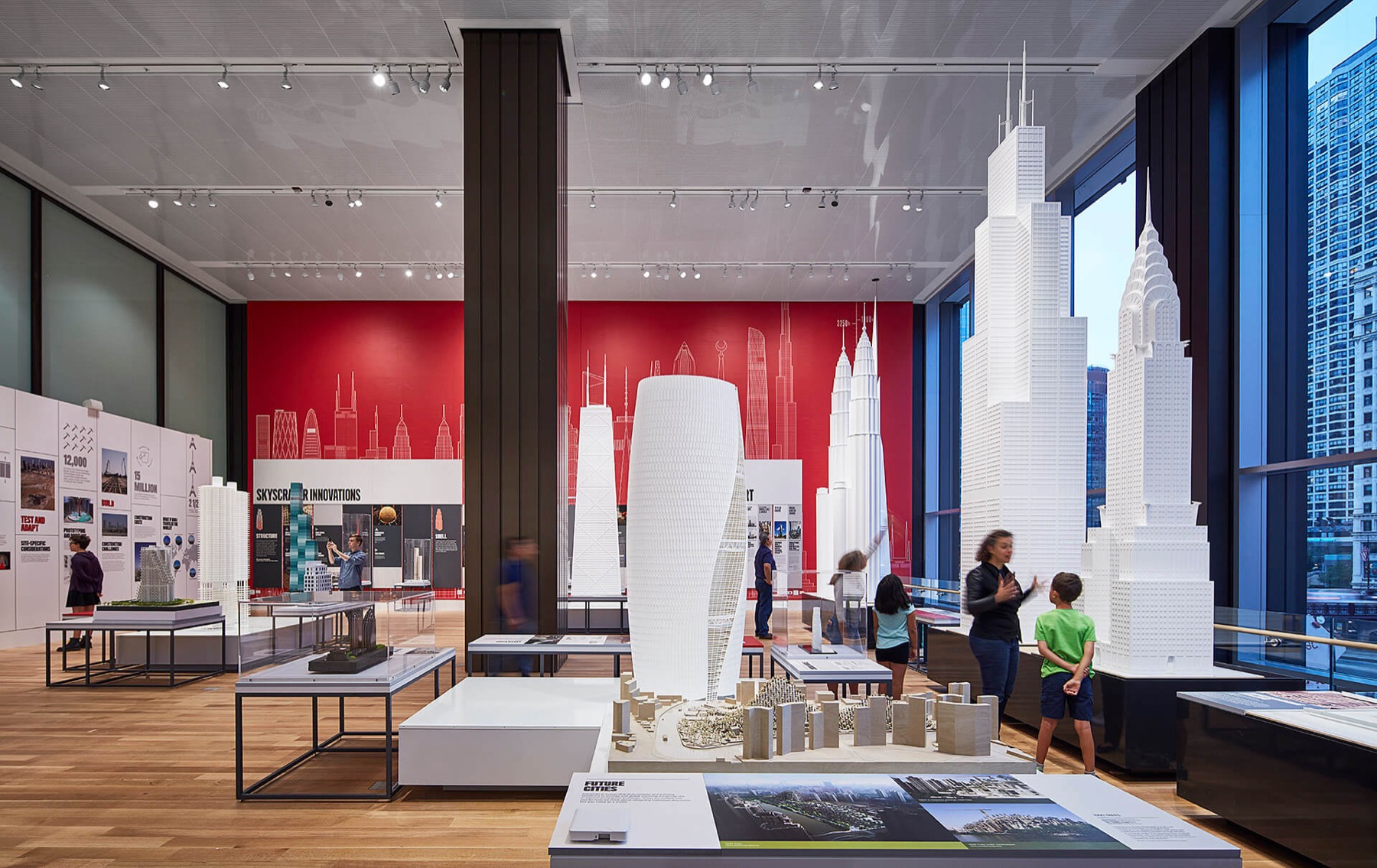
The Chicago Architecture Biennial
The Chicago Architecture Biennial (CAB) stands today as one of the world’s most influential platforms for architectural experimentation, cultural dialogue, and interdisciplinary collaboration. Established in 2015, the Biennial has since transformed Chicago into a living laboratory of urban ideas every two years, inviting architects, designers, artists, planners, and thinkers from around the globe to reimagine the built environment. As cities grapple with climate change, technological disruption, and social inequities, the Chicago Architecture Biennial continues to offer a vital space to rethink what architecture can be—beyond buildings, beyond borders, and beyond convention.
This 1100-word guide explores the Biennial’s history, significance, themes, impact, and what makes it one of the most dynamic architecture events in the world.
A Vision Rooted in Chicago’s Architectural Legacy
Chicago is widely regarded as the birthplace of the skyscraper and home to architectural legends like Frank Lloyd Wright, Louis Sullivan, and Mies van der Rohe. It is also a city that rebuilt itself from the ground up after the Great Fire of 1871. This legacy of resilience and innovation makes Chicago the ideal host for a Biennial centered on architectural futures.
The Biennial is organized by the nonprofit Chicago Architecture Biennial, and each edition revolves around a central theme curated by globally recognized architects, artists, and scholars. Over time, CAB has evolved from an exhibition of iconic works into an open platform for community projects, public installations, and socially engaged design.
A Global Dialogue: What the Biennial Represents
Unlike traditional architecture exhibitions that showcase completed buildings or visionary renderings, the Chicago Architecture Biennial is about ideas, experiments, and critical questions. It pushes the boundaries of what architecture can address—politics, justice, climate, identity, technology, and community.
Core Values of the Biennial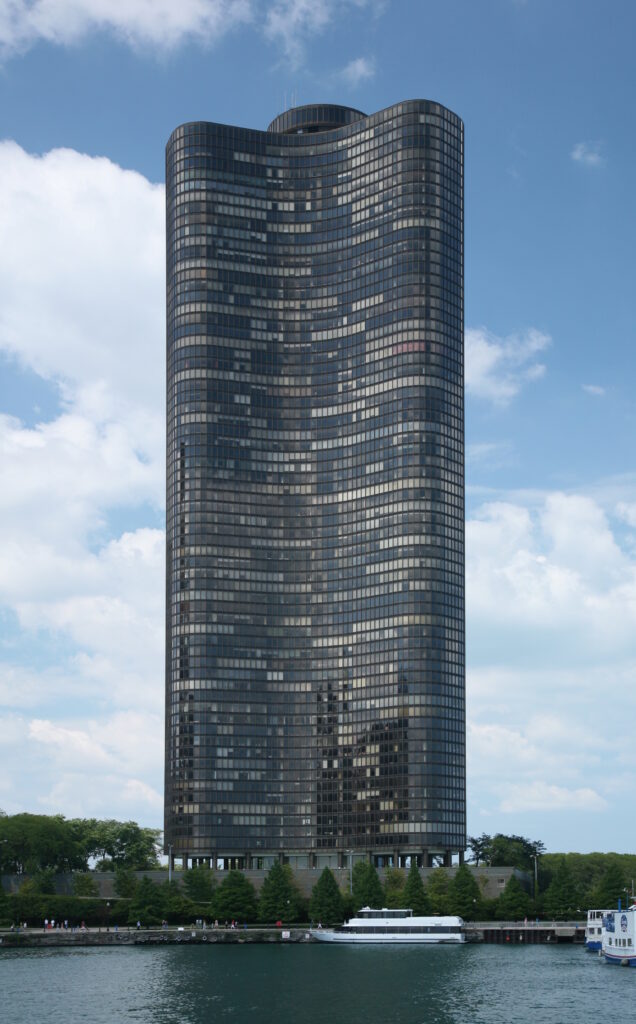
-
Equity: Examining who benefits from architectural decisions.
-
Innovation: Exploring alternative design processes and materials.
-
Community: Bringing neighborhoods into the architectural conversation.
-
Sustainability: Driving climate-conscious approaches to urban life.
-
Interdisciplinarity: Merging architecture with art, technology, performance, and activism.
The Biennial is not just for architects—it is for everyone who lives in, moves through, and imagines cities.
Exhibitions and Installations Across the City
One of the most exciting aspects of the Biennial is its citywide reach. Instead of confining exhibitions to a single building, CAB transforms Chicago into an open-air museum.
Key Locations Often Featured
-
Chicago Cultural Center – the Biennial’s historic central hub
-
Public plazas and riverwalk spaces
-
Neighborhood community centers
-
Abandoned lots or forgotten urban corners
-
Libraries, galleries, and universities
This distributed format allows installations to engage directly with the city’s living fabric. Visitors might find a pavilion in a park, a multimedia installation in a community center, or an interactive sculpture in a downtown plaza.
Themes that Have Shaped the Biennial
Each edition of the Biennial introduces a conceptual framework that guides participating architects and artists. While themes differ, they all revolve around the future of urban life and architectural responsibility.
Some past themes have explored:
-
Architecture as a social practice
-
Housing rights and urban inequality
-
Environmental justice and material innovation
-
Collective living and shared public space
-
Reimagining vacant land and civic infrastructure
These themes reveal CAB’s commitment to architecture not just as an aesthetic discipline, but as a powerful cultural and political force.
Why the Biennial Matters: Its Impact on Architecture and Society
The Chicago Architecture Biennial has become a global stage for emerging architects and established studios. It inspires new ways of thinking and encourages bold experimentation.
1. A Platform for New Voices
CAB foregrounds designers who are often overlooked in mainstream architecture. It amplifies voices from Africa, Latin America, Asia, and Indigenous communities—offering fresh perspectives on global urbanism.
2. Driving Social and Urban Change
Many Biennial projects become more than temporary installations. They inspire policy changes, public conversations, and community collaborations that live on long after the event ends.
3. Innovation in Materials and Construction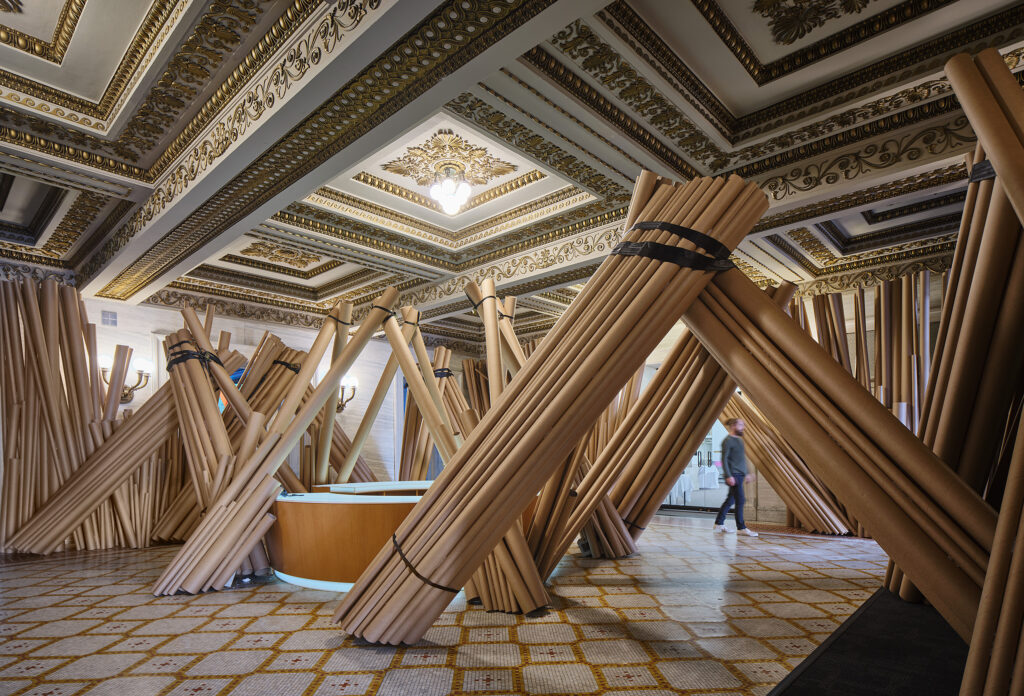
Exhibits often highlight:
-
Bio-based materials
-
Zero-waste construction
-
Robotics and digital fabrication
-
Adaptive reuse strategies
These innovations influence real-world architectural practice.
4. Strengthening Community Engagement
CAB’s partnerships with local community organizations ensure that architecture is not discussed only at elite levels. Neighborhood-based projects—gardens, participatory installations, cultural programs—invite direct public involvement.
Chicago: A Living Classroom for Architecture
During the Biennial, Chicago’s architectural icons take on renewed significance. Visitors explore:
-
The Willis Tower and its engineering feats
-
The Aqua Tower designed by Jeanne Gang
-
The riverfront skyscrapers of the Loop
-
Historic districts like Bronzeville and Pilsen
-
Lakefront parks and modernist landmarks
The city becomes a backdrop for deeper reflection on urban form, sustainability, and identity.
Educational Programs and Workshops
The Biennial integrates education as a core mission. The event hosts:
-
Student workshops
-
Public lectures
-
Curator talks
-
Panel discussions with global experts
-
Design competitions
These programs democratize architectural knowledge and inspire the next generation of designers.
Read Also: The Race to 300 mph: Will Hennessey or Koenigsegg Break the Speed Record in 2025?
A Celebration of Collaboration
What sets CAB apart is its collaborative spirit. Architects often partner with:
-
Artists
-
Engineers
-
Environmental scientists
-
Sociologists
-
Historians
-
Community leaders
This interdisciplinary mix allows for fresh, bold, and culturally rich interpretations of architecture’s potential.
A Glimpse into the Future: What to Expect in Upcoming Editions
As global challenges intensify, future editions of the Biennial will likely delve deeper into:
-
Climate resiliency and regenerative urban systems
-
AI-driven design and digital cities
-
Affordable housing and ethical urban development
-
Decolonizing architecture
-
Public space accessibility
-
Community-led design futures
CAB’s evolving themes ensure that it remains a pioneering force in shaping the conversations that define our built world.
Why You Should Experience the Chicago Architecture Biennial
Whether you are an architect, student, artist, or curious traveler, the Chicago Architecture Biennial offers a rare opportunity to see the future of architecture unfold in real time. It is a space where creativity meets activism, where ideas transform cities, and where global perspectives collide to create new visions for tomorrow.
Watch Also: https://www.youtube.com/@TravelsofTheWorld24






Leave a Reply