
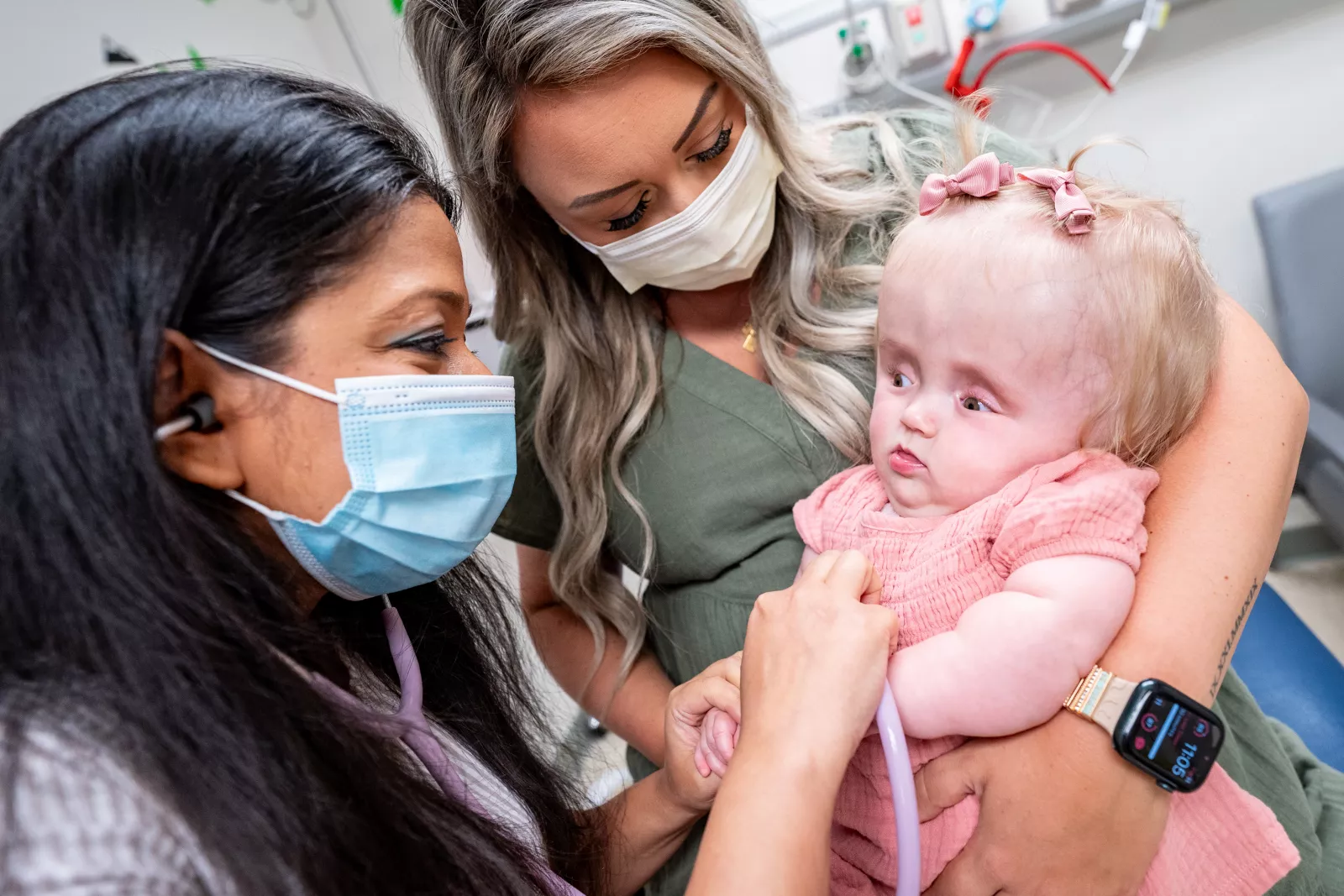
In recent years, molecular diagnostics have emerged as a revolutionary tool in pediatric oncology, particularly in the treatment of infant brain tumors. These advanced techniques enable precise identification of genetic and molecular characteristics of tumors, allowing for personalized therapies that are safer, more effective, and tailored to each patient.
This approach is changing the landscape of pediatric cancer care, offering hope for improved outcomes in some of the most vulnerable patients.
Understanding Infant Brain Tumors
Brain tumors in infants, defined as children under the age of three, are among the most aggressive and challenging forms of pediatric cancer. These tumors often affect critical regions of the developing brain, posing high risks for neurological deficits and developmental delays.
Key Challenges in Treating Infant Brain Tumors
-
Rapid Tumor Growth: Infant brain tumors tend to grow quickly and are often diagnosed at advanced stages.
-
Sensitivity of the Developing Brain: Standard therapies like radiation and chemotherapy can interfere with brain development, leading to long-term cognitive and motor impairments.
-
Diverse Tumor Types: Infants may present with various tumor types, including gliomas, medulloblastomas, and atypical teratoid/rhabdoid tumors (AT/RT), each requiring distinct treatment strategies.
These challenges make precision medicine and targeted approaches particularly important in infant neuro-oncology.
The Role of Molecular Diagnostics
Molecular diagnostics involves the use of genomic, proteomic, and molecular profiling techniques to identify unique features of tumor cells. By analyzing these characteristics, clinicians can develop personalized treatment plans that target the tumor specifically while minimizing damage to healthy tissue.
Techniques in Molecular Diagnostics
-
Genomic Sequencing: Mapping the complete DNA sequence of tumor cells to identify mutations driving tumor growth.
-
Transcriptomic Analysis: Studying RNA expression to understand which genes are actively contributing to tumor development.
-
Proteomic Profiling: Assessing protein patterns in tumors to identify potential therapeutic targets.
-
Liquid Biopsies: Analyzing tumor-derived DNA fragments in blood or cerebrospinal fluid for non-invasive monitoring.
These diagnostic tools provide critical insights into the biology of tumors, enabling clinicians to select therapies most likely to succeed.
Personalized Treatment Approaches
Molecular diagnostics allow for the development of targeted therapies and precision treatment strategies, which are particularly valuable in infants.
Targeted Therapy
Targeted therapies involve drugs or molecules designed to attack specific genetic mutations or proteins found in tumor cells. By focusing on tumor-specific markers, targeted therapy can:
-
Reduce collateral damage to healthy brain tissue.
-
Improve tumor response rates.
-
Minimize long-term side effects common in conventional chemotherapy.
For example, mutations in the BRAF or SMARCB1 genes may make tumors susceptible to targeted inhibitors, offering effective treatment without the toxicity of traditional methods.
Immunotherapy
Molecular profiling can also identify neoantigens, or tumor-specific proteins, that can be targeted by the immune system. Immunotherapy approaches, such as CAR-T cell therapy or checkpoint inhibitors, can then be used to enhance the body’s natural defenses against cancer.
Combination Therapies
Precision diagnostics enable clinicians to combine therapies—such as targeted drugs with low-dose chemotherapy—optimizing efficacy while reducing risk. This approach is particularly useful in infants, whose developing systems are highly sensitive to traditional cancer treatments.
Clinical Impact and Outcomes
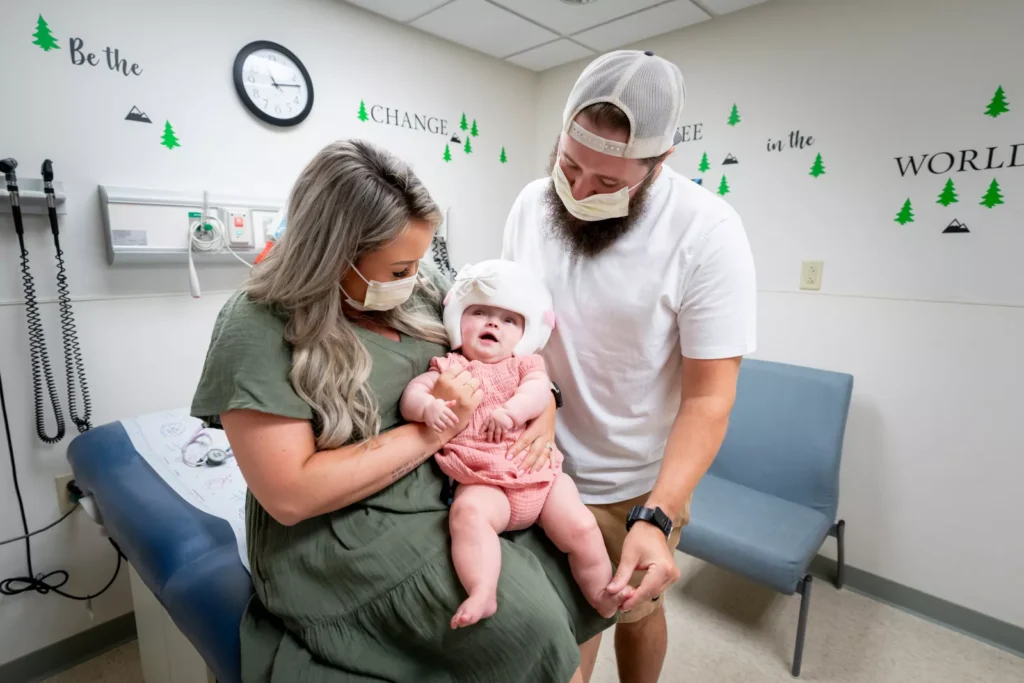
The integration of molecular diagnostics into pediatric neuro-oncology has led to improved survival rates and better quality of life for infants with brain tumors:
-
Early Response: Studies show that infants receiving targeted therapy based on molecular profiling often respond more quickly than those on standard regimens.
-
Reduced Side Effects: Precision treatments minimize neurotoxic effects, allowing children to maintain cognitive and motor development.
-
Long-Term Monitoring: Molecular diagnostics also enable real-time tracking of tumor progression, allowing timely interventions and adjustments to treatment plans.
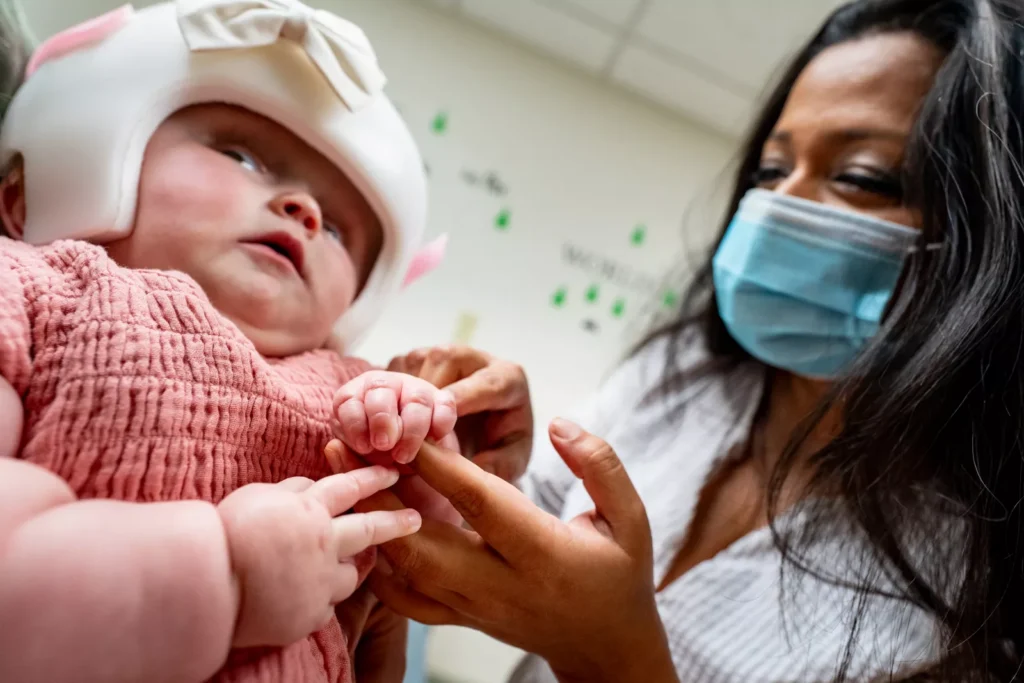
For families, this translates into hope, better prognosis, and improved developmental outcomes for their children.
Case Studies Highlighting Success
Several cases illustrate the transformative potential of molecular diagnostics:
-
Infant Glioma Case: A six-month-old patient with a high-grade glioma underwent genomic profiling, which revealed a BRAF V600E mutation. Targeted therapy led to complete tumor regression within weeks, with minimal side effects.
-
Medulloblastoma Case: A one-year-old patient’s tumor exhibited a SHH pathway mutation, allowing for precision-targeted therapy instead of full-dose chemotherapy. The child achieved long-term remission while maintaining normal development.
-
Atypical Teratoid/Rhabdoid Tumor: Liquid biopsy monitoring enabled early detection of recurrence, allowing timely intervention and extended survival beyond initial projections.
These cases demonstrate that molecular diagnostics can directly influence treatment success and patient outcomes.
Global Adoption of Molecular Diagnostics
Hospitals and research centers worldwide are increasingly integrating molecular diagnostics into pediatric oncology:
-
United States: Leading institutions such as St. Jude Children’s Research Hospital and Dana-Farber Cancer Institute have incorporated genomic profiling into standard care.
-
Europe: Pediatric oncology units in Germany, the UK, and France are using molecular diagnostics to guide therapy decisions and clinical trial enrollment.
-
Asia: Research centers in India, Japan, and Singapore are adopting molecular profiling for personalized treatment of infant brain tumors, expanding access to precision medicine.
The global adoption of these techniques is accelerating the standardization of personalized therapy in pediatric cancer care.
Challenges and Future Directions
While molecular diagnostics offers significant promise, there are challenges to widespread implementation:
-
Cost: Advanced sequencing and profiling techniques can be expensive, limiting access in low-resource settings.
-
Technical Expertise: Molecular diagnostics require specialized training and laboratory infrastructure.
-
Regulatory Approval: New diagnostic tests and targeted therapies must undergo rigorous evaluation before routine clinical use.
-
Ethical Considerations: Genomic profiling of infants raises privacy and consent issues, requiring careful management.
Future research aims to reduce costs, improve accessibility, and integrate AI-driven analysis to enhance diagnostic speed and accuracy.
The Role of AI and Machine Learning
Artificial intelligence (AI) and machine learning are increasingly used to analyze complex molecular data, providing:
-
Predictive Insights: AI can predict which therapies are likely to succeed based on tumor genetics.
-
Early Detection: Machine learning algorithms can detect subtle molecular changes indicating tumor recurrence.
-
Treatment Optimization: AI helps clinicians design personalized treatment schedules, balancing efficacy and safety.
This combination of molecular diagnostics and AI is set to revolutionize pediatric oncology, offering highly precise and adaptive treatment strategies.
Parental Perspectives
For parents of infants diagnosed with brain tumors, molecular diagnostics represents hope and reassurance:
-
Informed Decisions: Parents can choose therapies based on precise tumor profiles, rather than relying solely on standard protocols.
-
Reduced Anxiety: Knowing that treatments are tailored to their child alleviates some of the emotional stress associated with aggressive tumors.
-
Improved Prognosis: Personalized therapy improves chances of survival while preserving neurodevelopmental health.
Parent advocacy groups have also emphasized the importance of educating families about molecular diagnostics and available treatment options.
Conclusion
Molecular diagnostics is transforming the treatment landscape for infants with brain tumors. By providing precise insights into tumor biology, this technology enables:
-
Targeted therapies that reduce collateral damage
-
Early detection of recurrence
-
Improved survival and quality of life
-
Informed, data-driven treatment decisions
While challenges remain, including cost, technical expertise, and regulatory approvals, the future of pediatric neuro-oncology is increasingly shaped by molecular insights.
This breakthrough approach underscores the power of precision medicine, offering hope to families and demonstrating that even the youngest patients can benefit from cutting-edge scientific advances. As research progresses, molecular diagnostics is expected to become standard care for infants with brain tumors, ensuring safer, more effective, and personalized treatment pathways for the next generation of pediatric patients.
Read Also: Keep your face towards the sunshine and shadows will fall behind you
Watch Also: https://www.youtube.com/@TravelsofTheWorld24








Leave a Reply