

High-Intensity Interval Training, widely known as HIIT, has transformed the fitness world by offering a highly effective and time-efficient way to achieve better health. Unlike traditional workouts that depend on long-duration exercises performed at a steady pace, HIIT alternates between short bursts of intense activity and brief periods of rest or low-intensity movement. This pattern not only challenges the cardiovascular system but also pushes the muscles to a level that triggers significant improvements in strength and endurance. The popularity of HIIT continues to grow across gyms, sports programs, and home workouts because it delivers noticeable results in less time. Below are the key benefits of HIIT and why it is considered one of the most powerful exercise methods available.
1. Rapid Calorie Burning
One of the most widely recognized benefits of HIIT is its ability to burn a high number of calories in a short amount of time. Since the body works at near maximal effort during the intense intervals, the energy demand rises quickly, leading to a high calorie burn. In fact, HIIT can burn more calories in 15 to 20 minutes than many traditional workouts burn in 45 minutes. This makes it ideal for individuals who want efficient and effective exercise without spending hours at the gym.
2. The Afterburn Effect (EPOC)
A major advantage of HIIT is its powerful afterburn effect, formally known as Excess Post-Exercise Oxygen Consumption (EPOC). After an intense HIIT session, the body continues to work hard to restore oxygen levels, repair tissues, and return to its normal metabolic state. This process requires additional energy, meaning the body keeps burning calories even when the workout is over—sometimes for several hours. This extended fat-burning period makes HIIT an excellent tool for weight management and fat loss.
3. Improved Cardiovascular Health
HIIT significantly enhances cardiovascular fitness by strengthening the heart and lungs. During high-intensity intervals, the heart pumps rapidly to supply oxygen-rich blood to the muscles. Over time, this improves the heart’s ability to function efficiently, lowering resting heart rate and improving circulation. HIIT has been shown to increase VO₂ max, a measure of how much oxygen the body can utilize during exercise. Higher VO₂ max levels are linked to better endurance, reduced risk of heart disease, and overall improved athletic performance.
4. Increased Fat Loss and Lean Muscle Development
HIIT helps burn fat while preserving or even increasing lean muscle mass. The fast and explosive movements used in HIIT—such as jump squats, burpees, sprints, and push-ups—engage multiple muscle groups at once. This combination of aerobic and anaerobic activity encourages the body to shed fat while strengthening muscles. Over time, regular HIIT sessions can lead to a more toned and defined physique. Unlike steady-state cardio, which can sometimes lead to muscle loss, HIIT creates a balanced environment for burning fat while maintaining strength.
5. Time Efficiency
One of the biggest reasons people skip exercise is lack of time. HIIT eliminates that excuse by offering a highly effective workout in as little as 10 to 20 minutes. Even short HIIT routines can deliver the same—or better—results than longer traditional workouts. This time efficiency is perfect for busy schedules, making it possible to stay active without sacrificing other responsibilities. Whether you are a student, a working professional, or a parent with limited free time, HIIT can fit easily into your day.
6. Enhances Metabolic Health
HIIT has a positive impact on the body’s metabolic processes, particularly insulin sensitivity and glucose regulation. Studies show that HIIT helps the muscles use glucose more effectively, which can reduce the risk of type 2 diabetes. Even a few weekly sessions can lead to measurable improvements in blood sugar levels. Additionally, the increased metabolism from HIIT supports long-term weight control and overall metabolic health.
Read Also: The Race to 300 mph: Will Hennessey or Koenigsegg Break the Speed Record in 2025?
7. No Equipment Required
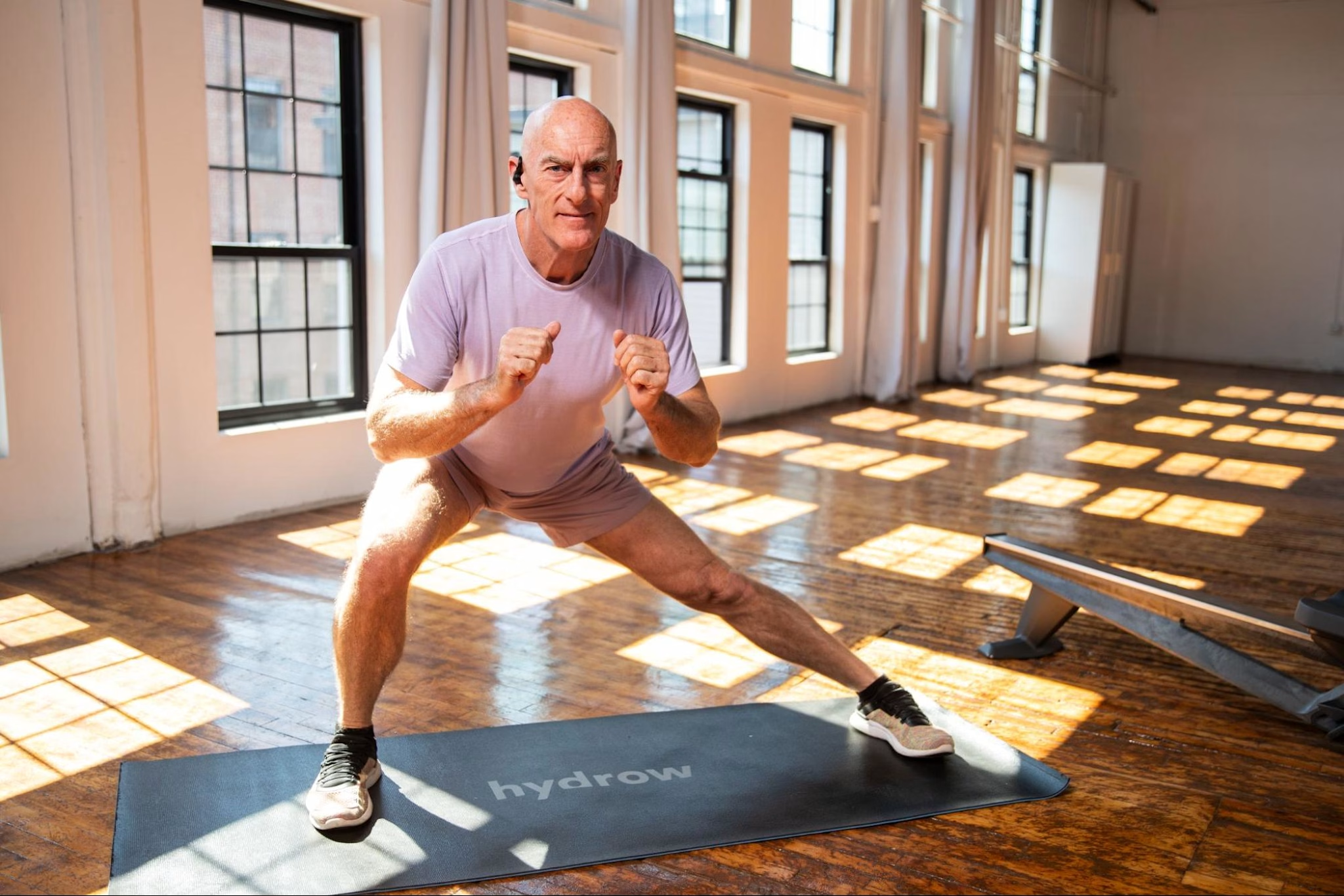
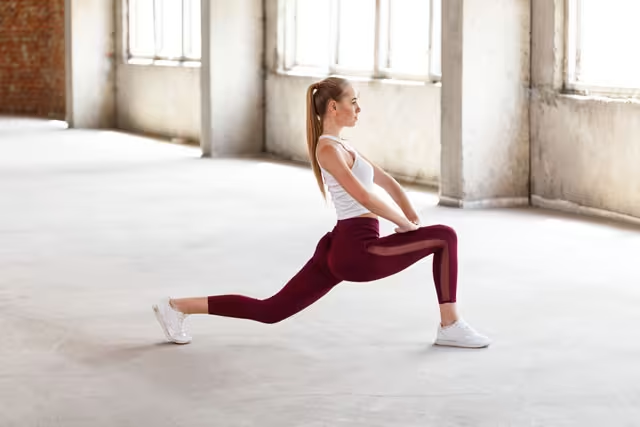
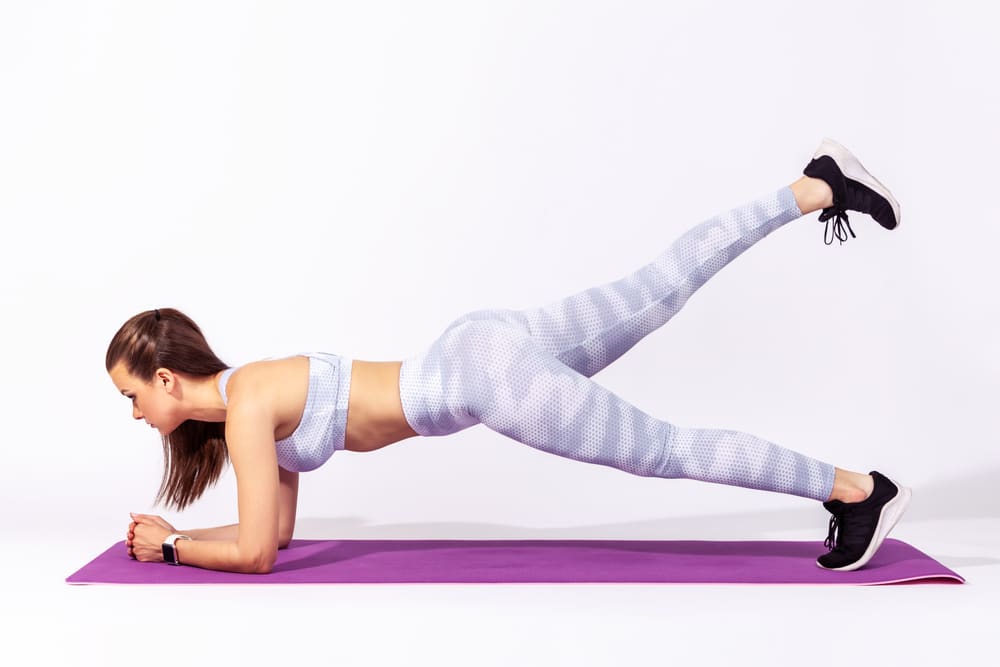
HIIT workouts can be performed anywhere—at home, in a park, or at the gym—without the need for any equipment. Bodyweight exercises such as lunges, mountain climbers, high knees, and plank variations provide everything needed for a powerful session. This makes HIIT accessible to individuals of all fitness levels, regardless of budget or location. Of course, equipment such as dumbbells, resistance bands, or stationary bikes can be added for variety, but they are not necessary.
8. Suitable for All Fitness Levels
While HIIT can be intense, it is highly adaptable. Beginners can start with low-impact movements and longer rest periods, while advanced athletes can increase the intensity and shorten the rests. The flexibility of HIIT allows each person to adjust the workout to suit their fitness level. Whether you are starting your fitness journey or looking to challenge yourself, HIIT can be tailored to your needs.
9. Helps Build Mental Toughness
HIIT trains more than just the body—it strengthens the mind as well. The short but intense bursts of effort require focus, discipline, and determination. Completing a challenging HIIT workout boosts confidence and helps develop mental resilience. This mental toughness often carries over into other areas of life, including work, school, and personal challenges. Many people find the sense of accomplishment after HIIT to be incredibly rewarding.
10. Boosts Endurance and Athletic Performance
Because HIIT pushes the body close to its maximum capacity, it enhances both aerobic and anaerobic endurance. Athletes in sports such as running, cycling, swimming, basketball, and martial arts often use HIIT to increase their speed, agility, and stamina. Regular HIIT sessions help the body adapt to intense effort, making it easier to perform better in high-demand situations. This benefit makes HIIT a valuable addition to professional training programs.
11. Supports Heart Health and Longevity
HIIT is known for its positive effects on heart health. It helps reduce blood pressure, lower bad cholesterol (LDL), increase good cholesterol (HDL), and improve overall cardiovascular function. These improvements can reduce the risk of chronic diseases such as heart attacks and strokes. By strengthening the cardiovascular system, HIIT supports long-term health and contributes to a longer, healthier life.
12. Fun, Varied, and Engaging
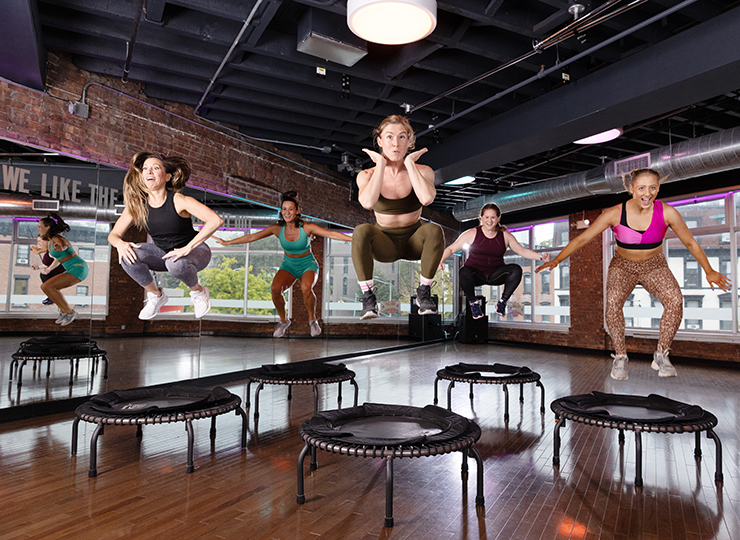
Another major benefit of HIIT is that it is never boring. Workouts can include endless combinations of movements—strength exercises, cardio bursts, plyometric jumps, core work, or even martial arts-inspired drills. This variety keeps the sessions exciting and helps maintain motivation over time. The fast pace and changing intervals also make the workout feel more engaging compared to repetitive steady-state exercises.
Conclusion
High-Intensity Interval Training offers a long list of powerful benefits, from rapid calorie burn and improved cardiovascular health to enhanced metabolism and lean muscle development. Its time-efficient nature makes it ideal for anyone looking to stay fit in a busy world. With no equipment required and adaptability for all fitness levels, HIIT is accessible, effective, and enjoyable. Whether your goal is weight loss, improving endurance, strengthening muscles, or simply feeling healthier, HIIT provides a proven path to achieving impressive results. By incorporating HIIT into your weekly routine, you can experience both physical and mental transformations that elevate your overall well-being.
Watch Also: https://www.youtube.com/@TravelsofTheWorld24



Leave a Reply