
Tahiti, the largest island in French Polynesia, is not only a paradise of turquoise lagoons and lush landscapes but also a vibrant hub of cultural festivities. Local festivals and celebrations offer a window into Tahitian life, blending tradition, music, dance, and spirituality. For both locals and visitors, participating in these events is an immersive experience, revealing the island’s rich heritage, communal values, and artistic creativity. From centuries-old rituals to modern cultural showcases, Tahiti’s festivals are living expressions of its people’s identity.
1. Heiva i Tahiti — The Cultural Heartbeat
The most famous and anticipated festival in Tahiti is Heiva i Tahiti, held annually in July. This month-long celebration embodies the essence of Tahitian culture, combining dance, music, sports, and art competitions.
Highlights of Heiva i Tahiti
-
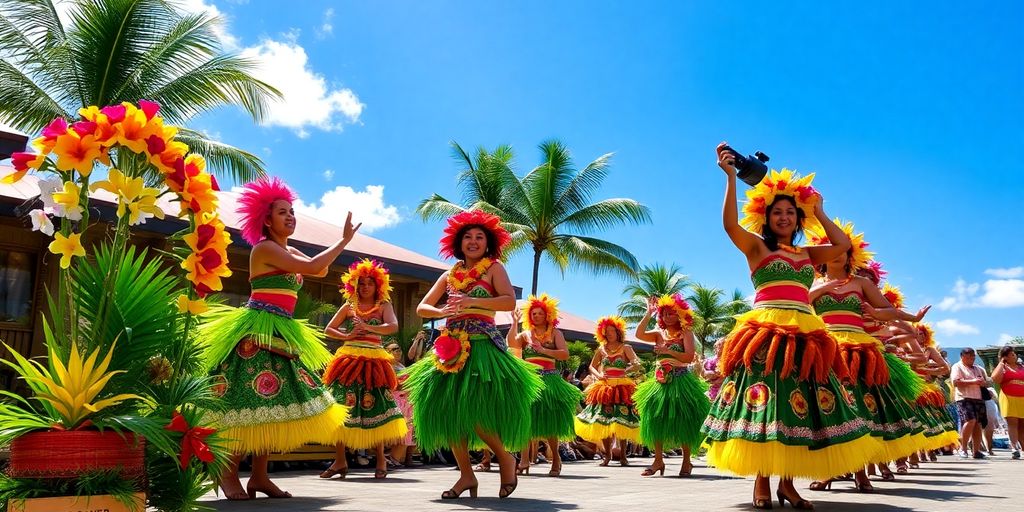
Ori Tahiti (traditional dance): Energetic dances such as ‘Otea and graceful Aparima are performed by groups from across the islands. Each group interprets historical events, myths, or nature-inspired themes.
-
Himene (choral singing): Communities compete in vocal performances, showcasing harmonious chanting and Polynesian melodies.
-
Traditional sports: Canoe racing, stone lifting, wrestling, and other physically demanding activities are central to the festival.
-
Costumes and pageantry: Elaborate skirts, flower crowns, and handwoven accessories enhance the visual appeal of the performances.
Heiva is more than entertainment; it is a celebration of identity, skill, and heritage. It brings together dancers, musicians, and athletes in a collective expression of pride.
2. Bastille Day — A French Polynesian Twist
Tahiti celebrates Bastille Day on July 14, reflecting its status as part of French Polynesia. This national holiday blends French tradition with local Polynesian customs.
Festival Features
-
Parades in Papeete, featuring bands, dancers, and local community groups.
-
Fireworks over the harbor, blending French festivity with Tahitian scenic beauty.
-
Community gatherings with traditional Tahitian food, music, and dance.
The day serves as a reminder of the island’s colonial history, while also integrating local cultural practices into the celebration.
3. Te Maeva Nui — Honoring Polynesian Heritage
Te Maeva Nui is celebrated on June 29 and 30, marking the annexation of Tahiti by France. Unlike Heiva, Te Maeva Nui focuses on history, patriotism, and cultural preservation.
Highlights
-
Historical reenactments of Polynesian traditions.
-
Traditional crafts, weaving demonstrations, and tattoo exhibitions.
-
Dance competitions and musical performances reflecting ancestral heritage.
Te Maeva Nui is a festival where education meets entertainment, allowing young generations to connect with their roots while celebrating community pride.
4. The Matavai Festival — Celebrating Local Arts
The Matavai Festival, held annually in Papeete, emphasizes contemporary arts alongside traditional performances. It celebrates creativity, innovation, and cultural dialogue.
Key Features
-
Live music concerts featuring Polynesian instruments.
-
Dance performances merging Ori Tahiti with modern choreography.
-
Art exhibitions showcasing local painters, sculptors, and designers.
-
Culinary fairs highlighting Tahitian cuisine and local produce.
This festival is particularly appealing to tourists and young locals, bridging traditional culture with modern expressions of creativity.
5. Tahiti Pearl Festival — Beauty and Tradition
Tahiti is world-renowned for its black pearls, and the Tahiti Pearl Festival celebrates this iconic export while integrating cultural activities.
Festival Highlights
-
Pearl-themed exhibitions and jewelry showcases.
-
Workshops on pearl farming and sustainable practices.
-
Cultural dance performances and musical events.
-
Beauty pageants and fashion shows incorporating traditional Polynesian motifs.
This festival highlights Tahiti’s economic and cultural identity, intertwining craftsmanship, natural heritage, and artistic expression.
6. Traditional Dance and Music Competitions
Throughout the year, Tahiti hosts numerous smaller competitions emphasizing traditional dance (Ori Tahiti) and music (Himene). These events occur in schools, community centers, and village halls, nurturing talent and maintaining cultural continuity.
Focus Areas
-
Solo and group dance performances, including ‘Otea, Aparima, and Tamure.
-
Choral contests reflecting sacred and secular themes.
-
Opportunities for children and youth to learn traditional arts.
These competitions ensure that Tahitian heritage remains vibrant and accessible to younger generations, strengthening communal bonds.
7. Religious and Spiritual Festivals
Religion plays an essential role in Tahitian society, and many festivals have spiritual significance. Catholic traditions coexist with ancient Polynesian rituals, creating unique celebrations.
Examples
-
Easter Celebrations: Featuring church services, music, and processions with local Polynesian influence.
-
Christmas Festivals: Incorporating Tahitian carols, dances, and festive gatherings.
-
Traditional Ceremonial Events: Rituals marking planting seasons, fishing, or ancestral worship, often including music, chants, and dances.
These festivals foster a sense of spiritual connection while preserving centuries-old customs.
 8. Community and Village Festivals
In addition to large-scale celebrations, Tahiti hosts smaller, localized village festivals throughout the year. These events focus on community, food, and local culture.
Common Features
-
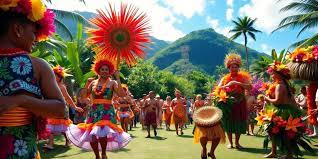
Traditional dance performances by local youth groups.
-
Competitions in fishing, canoeing, and other island activities.
-
Communal feasts featuring dishes like poisson cru (Tahitian ceviche).
-
Storytelling sessions about legends, myths, and local history.
Village festivals strengthen social ties and ensure the transmission of cultural knowledge across generations.
9. Fire Dancing and Evening Cultural Shows
A hallmark of Tahitian festivity is the fire dance, often performed during cultural nights at resorts and public events. This dance demonstrates skill, courage, and artistry, combining:
-
Fire knives or torches
-
Synchronized drumming
-
Fast-paced Ori Tahiti movements
Evening cultural shows often include multiple elements: traditional music, dance, singing, and theatrical storytelling, providing a condensed yet rich experience of Tahitian culture for tourists and locals alike.
10. The Role of Festivals in Tahitian Culture
Festivals in Tahiti are not mere entertainment; they are central to cultural identity. They serve several purposes:
-
Preserving heritage: Traditional dances, music, and crafts are showcased and passed to younger generations.
-
Community building: Festivals unite villages, towns, and island groups in shared celebration.
-
Economic impact: Cultural tourism supports local artisans, performers, and businesses.
-
Education and awareness: Festivals educate both residents and visitors about Tahitian history, mythology, and arts.
Through these celebrations, Tahiti maintains a strong cultural continuity while inviting the world to experience its unique traditions.
Read Also: Keep your face towards the sunshine and shadows will fall behind you
Watch Also: https://www.youtube.com/@TravelsofTheWorld24






Leave a Reply