
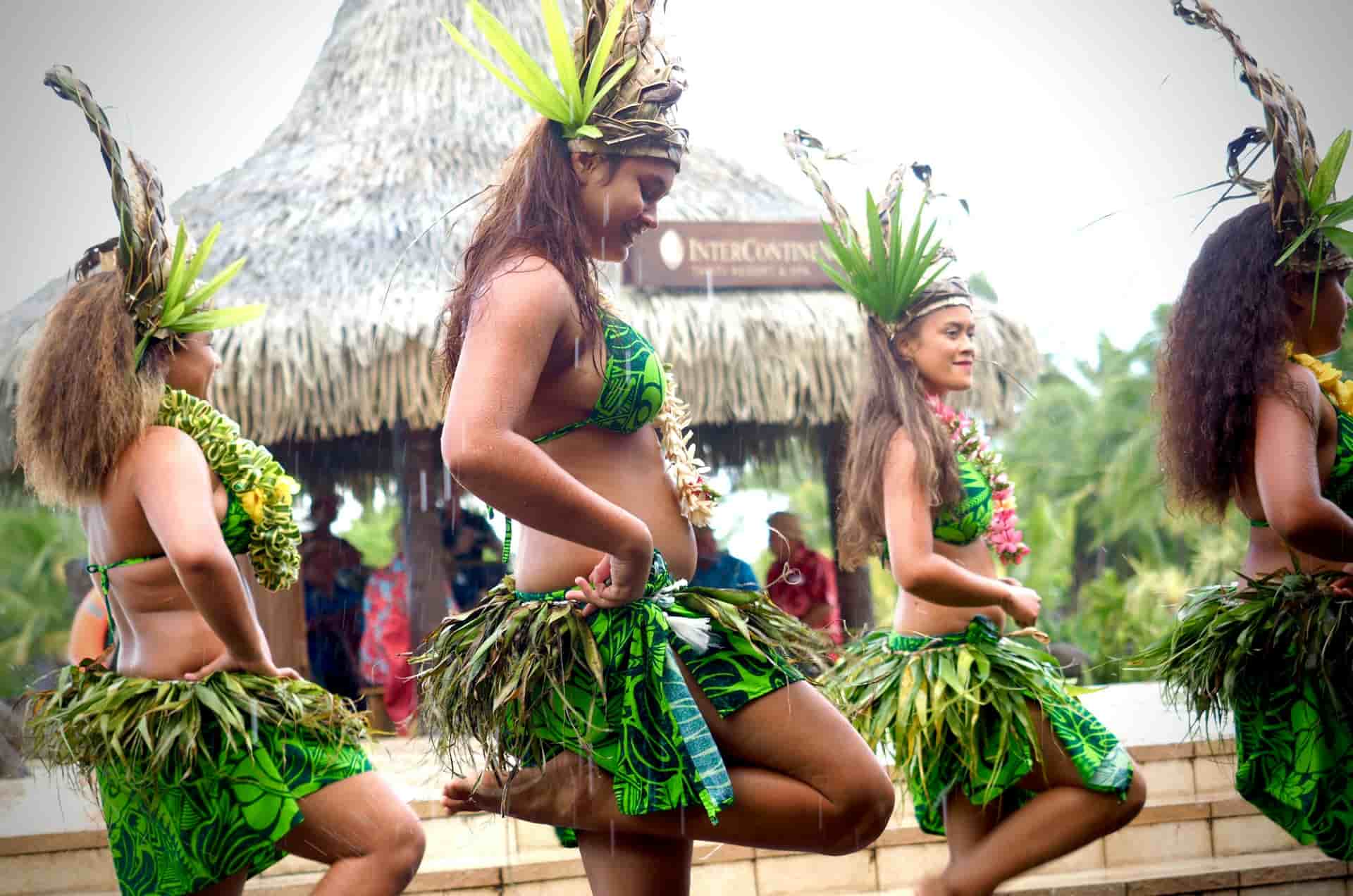
The islands of Tahiti, located in the heart of French Polynesia, possess one of the most vibrant and expressive dance cultures in the Pacific. Tahitian dances are more than rhythmic movements—they are storytelling traditions passed down through generations, displaying the spirit, pride, and history of the Polynesian people. Whether performed during festivals, ceremonies, or modern cultural showcases, these dances capture the essence of island life: the ocean’s sway, the power of the wind, the grace of birds, and the warmth of community. Below are the most iconic Tahitian and Pacific dances everyone should know, each contributing to the region’s rich artistic heritage.
1. ‘Otea — The Iconic Drum Dance
The ‘Otea is perhaps the most internationally recognized Tahitian dance. Characterized by extremely fast hip movements, synchronized group choreography, and powerful drumming, this dance is often the highlight of major Tahitian events. Dancers wear elaborate costumes made from pandanus, feathers, shells, and natural fibers, which add stunning visual texture to the performance.
Traditionally, the ‘Otea was performed only by men, depicting scenes of battle, navigation, or warrior training. Today, both men and women perform it, each with their own stylistic approach. Women emphasize sharp hip vibrations and precise footwork, while men showcase strength through energetic jumps, stamps, and body movements. The supporting drums—pahu, to’ere, and fa’atete—drive the tempo, creating an electrifying atmosphere that embodies the heart of Tahitian culture.
2. Aparima — Storytelling Through Graceful Gestures
While the ‘Otea is bold and percussive, the Aparima is soft, flowing, and deeply expressive. The name comes from apa (movement) and rima (hands), highlighting the central role of hand gestures. These gestures portray love, nature, fishing, voyaging, legends, or daily life—making Aparima a visual storybook.
Aparima comes in two forms:
-
Aparima Hīmene: Performed to sung melodies rather than drums.
-
Aparima Vahine: A livelier form, accompanied by faster music and sometimes drums.
Dancers move with elegance, wearing floral crowns, pareos, and dresses in bright island colors. With its emotional storytelling, Aparima often leaves audiences mesmerized and is one of the most beloved Pacific dances.
3. Hula (Hawai‘i) — The Sister Dance of the Pacific
Although originating from Hawai‘i, Hula shares ancient ties with Polynesian migration routes and is often associated with Tahitian tradition due to cultural similarities. Hula is iconic for its gentle hip sways and symbolic hand motions that narrate everything from mythology to historical events.
There are two main forms:
-
Hula Kahiko: The ancient style, performed with chants and traditional percussion.
-
Hula ‘Auana: The modern form, danced to melodic instruments like ukulele and guitar.
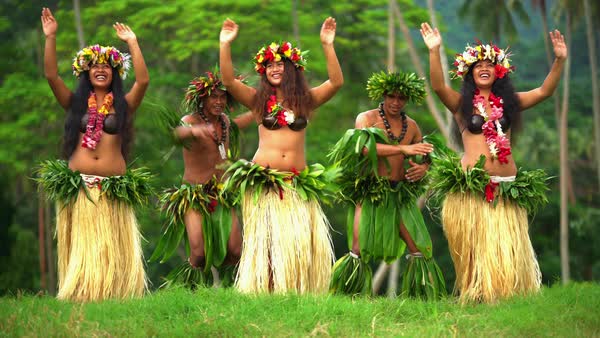
Hula emphasizes smooth movements that echo the rhythm of nature. Dancers often wear traditional grass skirts, flower leis, and ankle garlands, creating a graceful connection to the land and sea. Though distinctly Hawaiian, Hula’s shared Polynesian roots make it an essential Pacific dance to understand when exploring Tahitian culture.
4. Haka (New Zealand) — A Dance of Power and Identity
Another influential Pacific dance is the Haka, a traditional Māori performance from New Zealand. While not Tahitian in origin, the Haka is deeply rooted in Polynesian culture and is widely known across the world through rugby, ceremonies, and cultural events.
The Haka is bold, intense, and deep with meaning. It uses strong body movements—feet stamping, chest beating, facial expressions, and rhythmic shouting—to express tribal pride, unity, and ancestral strength. Historically, Haka was performed before battles, but today it is used for celebrations, welcomes, funerals, and honoring great achievements.
Its spirit of identity and community resonates across the Pacific, placing it among the key dances one must know when exploring Polynesian cultural expressions.
5. Siva Samoa — Gentle Elegance from Samoa
From the neighboring islands of Samoa comes the Siva, a beautiful dance known for its softness and fluidity. While Tahitian dances are rapid and powerful, Siva focuses on grace, poise, and storytelling. The dancer’s hands glide in smooth patterns, illustrating emotions or the beauty of Samoan traditions.
The Taualuga, a special form of Siva, is often performed by the high chief’s daughter and symbolizes honor and prestige. Accompanied by wooden drums and soft singing, this graceful dance complements the louder, more energetic dances of Tahiti, showing the diversity within Polynesian performing arts.
6. Tamure — Fun, Fast, and Popular
The Tamure is a fast-paced, joyful Tahitian dance that has become popular throughout the Pacific. Known for rapid hip-shaking and lively music, it is commonly performed at social events, island nights, and cultural shows. It blends elements of the ‘Otea with informal, energetic movement—making it fun and accessible even for beginners.
Couples often dance Tamure together, showcasing playfulness and rhythmic chemistry. The upbeat tempo, vibrant costumes, and high energy reflect the lively spirit of Tahitian celebrations.
7. Himene — Dance and Song Combined
In Tahiti, dance and song are inseparable. Himene refers to traditional choral singing, often accompanied by rhythmic swaying or coordinated hand movements. These performances typically take place during festivals, church gatherings, and cultural ceremonies. The harmonies are rich and powerful, echoing through the islands with spiritual depth.
Though not a fast dance, Himene carries emotional weight and demonstrates the unity and devotion of Tahitian communities.
The Cultural Importance of Pacific Dance
Pacific dance is more than entertainment—it is a living language. These dances preserve ancestral stories, honor the gods, celebrate milestones, and teach younger generations about heritage. Whether it is the explosive rhythm of the ‘Otea or the serene grace of Siva Samoa, each dance reflects its island’s unique character while sharing common Polynesian roots.
Today, Pacific dance continues to evolve. Tourism, competitions, and international festivals have given dancers global recognition. Yet the heart of the tradition remains the same: to connect people, strengthen identity, and keep ancient stories alive through movement.
Read Also: Keep your face towards the sunshine and shadows will fall behind you
Watch Also: https://www.youtube.com/@TravelsofTheWorld24




Leave a Reply