
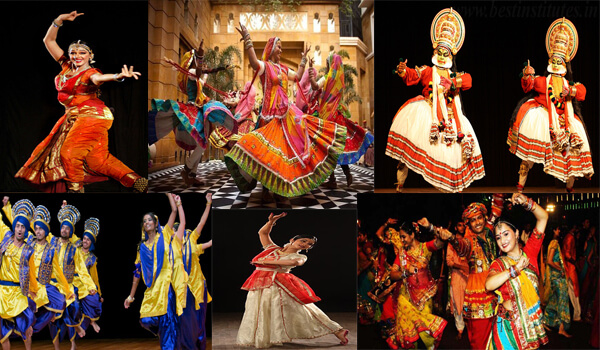
India, one of the world’s oldest cultural civilizations, is home to a vibrant legacy of classical dance. These dance traditions, shaped over centuries, embody philosophy, spirituality, storytelling, devotion, and artistic sophistication. Indian classical dances are not merely performances; they are living traditions grounded in the ancient text Natya Shastra, which describes dance as a divine art form created to educate, entertain, and enlighten. Each classical dance style carries its own history, costume aesthetic, rhythmic structure, and emotional expression, yet all share a common purpose—to connect human experience with the universal spirit.
Below is a comprehensive look at India’s major classical dance forms and what makes each one unique.
The Foundation of Indian Classical Dance
Classical dance in India is deeply intertwined with mythology, religion, and sacred rituals. According to legend, Lord Brahma created dance by combining:
-
Pathya (words) from the Rig Veda
-
Gita (music) from the Sama Veda
-
Abhinaya (expression) from the Yajur Veda
-
Rasa (emotions) from the Atharva Veda
This fusion formed Natya, the fifth Veda, establishing Indian dance as a spiritual art. Classical dancers use hand gestures (mudras), facial expressions (abhinaya), rhythmic footwork (tala), and symbolic body movements to portray stories from epics like the Ramayana, Mahabharata, and Puranic mythology.
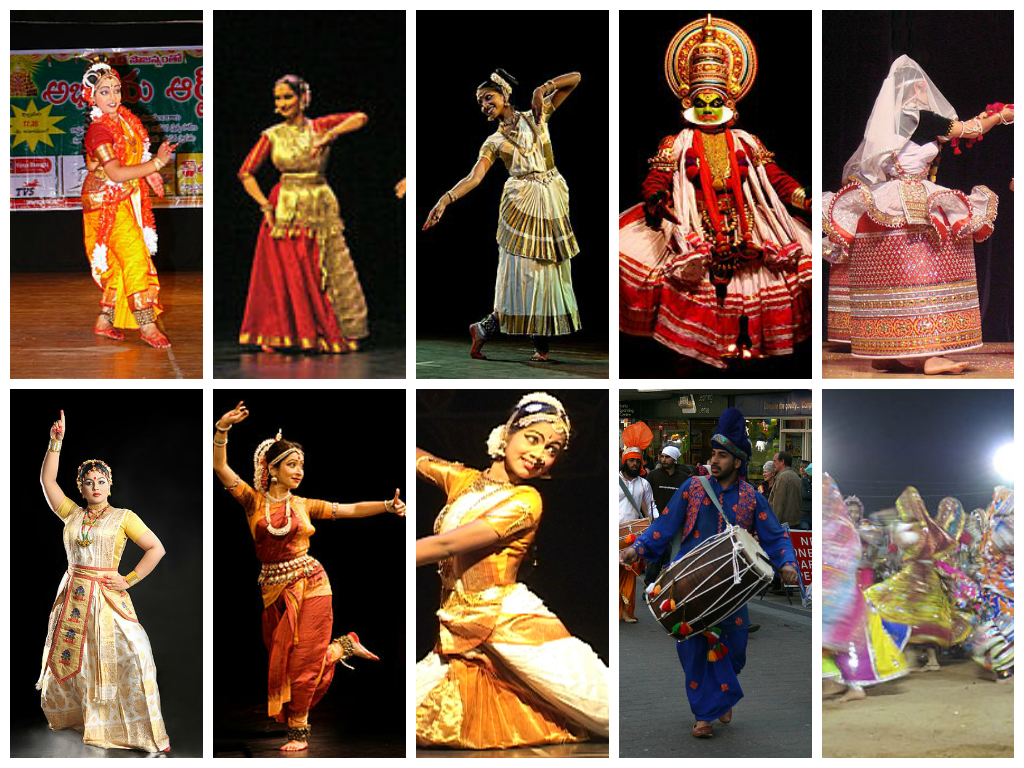
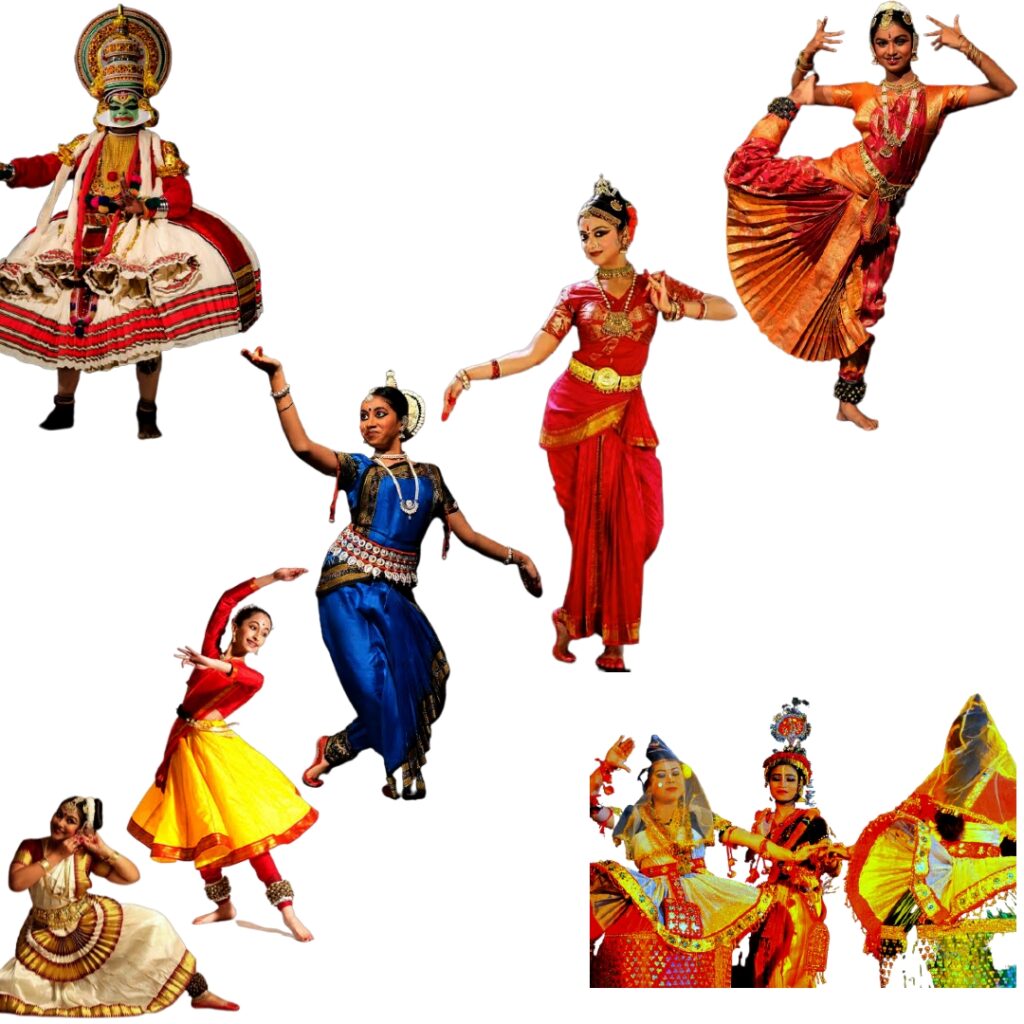
India officially recognizes eight classical dance forms: Bharatanatyam, Kathak, Kathakali, Kuchipudi, Odissi, Manipuri, Mohiniyattam, and Sattriya. Each one reflects the culture and soul of the region it comes from.
1. Bharatanatyam — The Dance of Fire (Tamil Nadu)
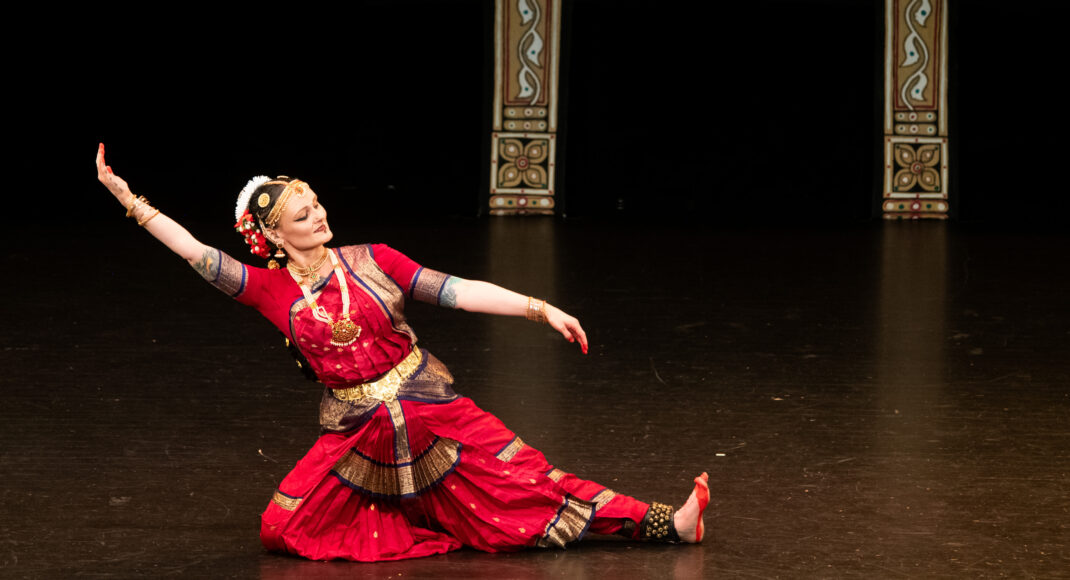
Bharatanatyam is one of India’s oldest and most widely practiced classical dances. Originating in Tamil Nadu’s ancient temples, it was traditionally performed by devadasis—women dedicated to serving deities through dance and music.
Key Features
-
Angular poses, geometric precision
-
Strong footwork matched with rhythmic patterns
-
Rich expressions to portray emotions (bhava)
-
Graceful hand gestures and storytelling sequences
The dance’s name itself is believed to come from “Bha” (bhava – expression), “Ra” (raga – melody), “Ta” (tala – rhythm), and “Natyam” (dance).
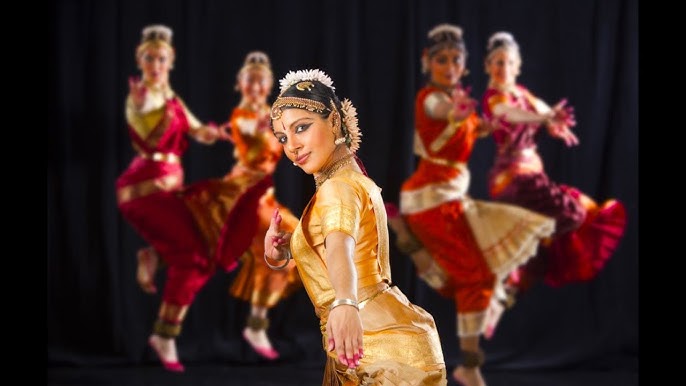
The costume includes a silk saree stitched for movement, jewelry resembling temple sculptures, and expressive eye makeup. Bharatanatyam is known for its discipline, elegance, and spiritual depth.
2. Kathak — The Dance of Storytellers (North India)
Kathak originates from northern India and derives its name from the word “katha,” meaning story. In ancient times, wandering bards called kathakars narrated tales of gods and legends through expressive gestures and rhythmic footwork.
Unique Traits
-
Fast, intricate footwork (tatkars)
-
Stunning spins (chakkars)
-
Delicate expressions and hand movements
-
A blend of Hindu and Mughal influences
Under Mughal patronage, Kathak evolved into a court dance emphasizing beauty, romance, and refined elegance. Dancers perform to classical Hindustani music, often accompanied by the tabla and sitar.
Costumes vary by style—from flowing skirts and veils in Jaipur and Lucknow gharanas to Mughal-style angarkhas in the Delhi tradition.
3. Kathakali — Dance-Drama of Kerala
Kathakali is one of India’s most dramatic and visually striking dance forms. Emerging from Kerala, it combines dance, acting, martial arts, and elaborate makeup to bring mythological stories to life.
Signature Aspects
-
Intricate facial makeup (chutti)
-
Massive headgear and lavish costumes
-
Strong footwork and stylized body movements
-
Powerful expressions conveyed through the eyes
Kathakali performers undergo years of training, including body conditioning and developing intense control over facial muscles. Stories from the Mahabharata and Ramayana are enacted through heroic battles, demon characters, and divine interventions.
4. Kuchipudi — Grace and Fluidity (Andhra Pradesh)
Kuchipudi originated in Andhra Pradesh as a dance-drama tradition performed by male Brahmin troupes. Over time, it adopted solo female performance styles, making it one of India’s most expressive and elegant classical dances.
Highlights
-
Quick footwork and graceful limb movements
-
Strong storytelling and dramatic narrative
-
A blend of dance, music, and dialogue
-
Traditional sequences like dancing on a brass plate
Kuchipudi’s charm lies in its balance of vigor and softness, spirituality and playfulness. Performers often portray characters from Hindu mythology, particularly tales of Krishna and Shiva.
5. Odissi — Sculptural Beauty from Odisha
Odissi is one of the oldest classical dance forms, with roots traced to the temple sculptures and devotional traditions of Odisha. For centuries, Mahari temple dancers performed Odissi as an offering to Lord Jagannath.
Key Features
-
Tribhangi posture (three-body-bend pose)
-
Soft, lyrical movements
-
Sculptural poses inspired by temple art
-
Emotional storytelling through abhinaya
The dance is known for its fluidity and grace, with movements resembling the carvings of the Konark Sun Temple. The silver jewelry and elaborate headpiece (tahia) add elegance to its devotional style.
6. Manipuri — The Dance of Divine Love (Manipur)
Manipuri is a gentle, spiritual dance form from northeastern India, known for its deep connection to Vaishnavism and devotion to Lord Krishna.
Characteristics
-
Soft, gliding movements
-
Circular motions
-
Emphasis on spirituality instead of facial expressions
-
Gorgeous costumes with stiff skirts and shimmering veils
The Raslila, depicting the love of Krishna and Radha, is the most celebrated Manipuri performance. Its subtlety and elegance make it one of India’s most poetic dances.
7. Mohiniyattam — The Dance of the Enchantress (Kerala)
Mohiniyattam, meaning “dance of the enchantress,” is a classical dance from Kerala associated with feminine grace and lasya (soft, seductive movements).
Highlights
-
Slow, swaying movements
-
Gentle footwork
-
Beautiful white-and-gold costumes
-
Smooth, flowing gestures
The dance draws inspiration from the mythological enchantress Mohini, an avatar of Lord Vishnu. It creates a serene and captivating visual aesthetic.
8. Sattriya — The Monastic Dance of Assam
Sattriya, officially recognized as a classical dance in 2000, originates from the Vaishnavite monasteries (sattras) of Assam founded by the saint-poet Srimanta Sankardeva.
Unique Elements
-
Religious themes centered on Krishna
-
Fluid hand gestures and expressive storytelling
-
Traditional Assamese music
-
Distinctive costumes and ankle bells
Once performed only by monks, Sattriya is now a global classical dance tradition.
The Significance of Classical Dance in India
Indian classical dances serve more than artistic functions—they preserve cultural identity, spiritual values, and centuries-old traditions. They convey emotions, teach morals, and provide a medium to express devotion.
These dances also inspire contemporary performing arts, cinema, yoga, and global fusion dance styles. For students and practitioners, classical dance offers discipline, strength, grace, and a profound connection to India’s cultural roots.
Conclusion
Indian classical dance is a cultural treasure, a harmony of rhythm, expression, music, and storytelling. Whether it is the fiery intensity of Bharatanatyam, the delicate poetry of Odissi, the dramatic flair of Kathakali, or the lyrical devotion of Manipuri, each dance form reflects India’s diversity and timeless heritage.
Far from being relics of the past, these dances continue to evolve, inspire, and captivate audiences worldwide. They are the living embodiment of India’s traditions—preserved through movement, enriched by history, and celebrated across generations.
Read Also: Keep your face towards the sunshine and shadows will fall behind you
Watch Also: https://www.youtube.com/@TravelsofTheWorld24




Leave a Reply