
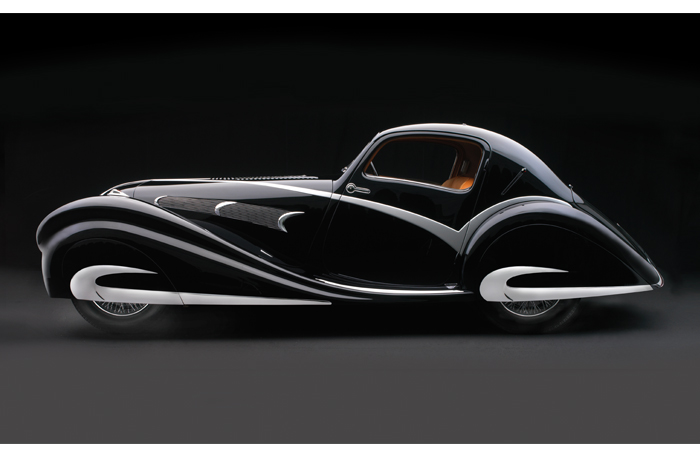
The exhibition “Sensuous Steel: Art Deco Automobiles” stands as a powerful tribute to one of the most glamorous eras in automotive design. Celebrating the elegant, streamlined forms of luxury cars from the 1930s and early 1940s, it highlights a period when automobiles transcended their functional purpose and became rolling works of art. These cars were not merely vehicles—they were expressions of social optimism, technological progress, and the artistic sophistication of the Art Deco movement. “Sensuous Steel” brings together some of the most stunning automobiles ever created, capturing the imagination through their exquisite proportions, handcrafted details, and sculptural beauty.
The Essence of Art Deco in Automobiles
Art Deco, a design movement that flourished between the 1920s and 1940s, was characterized by sleek lines, geometric shapes, symmetry, and luxurious finishes. It embraced modernity during a time when society was rapidly evolving—celebrating speed, machine-age power, and elegance. This aesthetic had a profound influence on automobile design, encouraging carmakers and coachbuilders to create bold silhouettes and aerodynamic shapes that combined beauty with function.
The vehicles showcased in “Sensuous Steel” epitomize these qualities. They embody the movement’s love for:
-
Streamlined curves
-
Chrome accents
-
Smooth, uninterrupted surfaces
-
Innovative use of materials
-
Sculptural craftsmanship
These cars seem almost alive, their bodies undulating like metal waves, their forms flowing with a seductive grace that still captivates viewers nearly a century later.
A Celebration of Craftsmanship
Unlike modern cars that rely heavily on industrial manufacturing, the automobiles of the 1930s and ’40s were often custom-built. Wealthy clients would purchase a bare chassis from companies like Bugatti, Delahaye, or Hispano-Suiza and bring it to coachbuilders such as Figoni et Falaschi, Saoutchik, or Vanvooren. These artisans hand-formed every panel, sculpted every fender, and stitched each interior detail to perfection.
The result was a golden age of bespoke automotive design, where each car became a one-off masterpiece. “Sensuous Steel” showcases this artistry, reminding us of the intimate relationship between the craftsman’s hands and the final form of the automobile.
Iconic Automobiles Featured in “Sensuous Steel”
While the selection varies based on the exhibition’s touring schedule, several celebrated models have become emblematic of its theme. These vehicles exemplify the pinnacle of Art Deco automotive styling.
1. 1937 Delahaye 135MS Coupe by Figoni et Falaschi
This model is often described as one of the most sensual cars ever built. Its flowing lines, teardrop-shaped fenders, and brilliant chrome trim seem to melt into each other, creating a seamless dance of curves. The Delahaye embodies the very notion of “sensuous steel” with a body that feels sculpted from liquid metal.
2. 1936 Stout Scarab
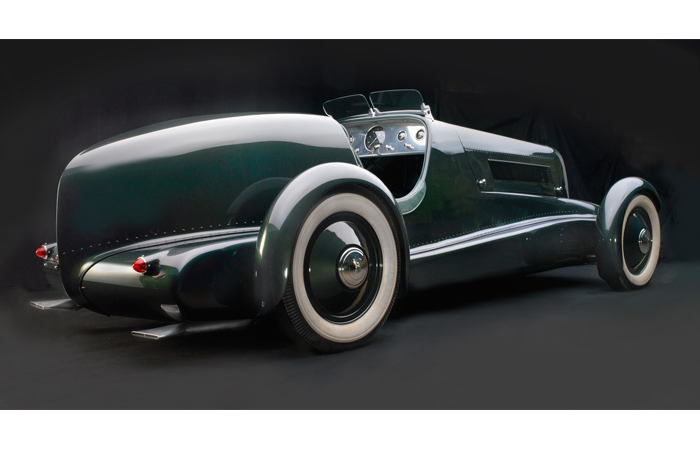
A visionary design decades ahead of its time, the Stout Scarab is considered the first modern minivan. Its beetle-like form, rear-mounted engine, and aircraft-inspired interior reflect the futuristic spirit of Art Deco. Though unconventional, its rounded shape demonstrates the era’s fascination with streamlining.
3. 1934 Packard Twelve Model 1108
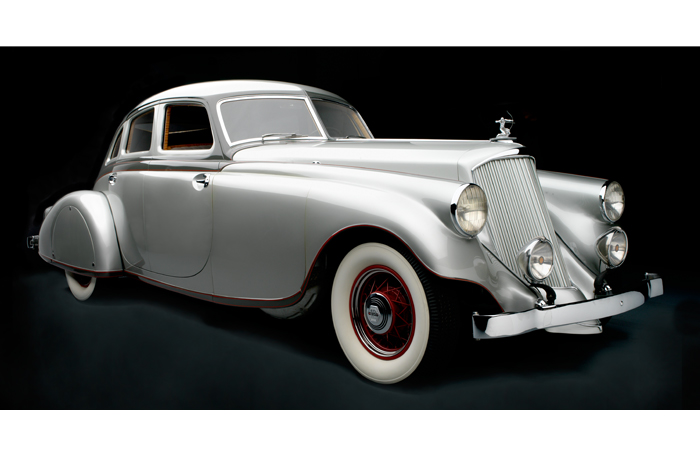
Known for its imposing presence and luxurious finishes, the Packard Twelve represents the American side of Art Deco automotive design. With a long wheelbase, meticulously crafted chrome details, and a refined cabin, it captures the understated elegance of the period’s top luxury marques.
4. 1937 Hispano-Suiza H6C “Xenia”
Perhaps one of the most spectacular vehicles included in past iterations of the exhibition, the Xenia features a swooping, aerodynamic body with aircraft-inspired glasswork. Built by Saoutchik, it feels more like a science-fiction fantasy machine than a 1930s automobile.
5. 1939 Bugatti Type 57C Atalante
The Atalante stands as a testament to French automotive artistry. With its tapered rear end, artful chrome highlights, and iconic Bugatti grille, it blends sporty performance with haute couture design sensibilities.
These vehicles—and others like them in the exhibition—illustrate the diversity and imaginative power of Art Deco automotive styling.
Streamlining: The Art and Science of Speed
The 1930s were a time when engineers and designers became fascinated with aerodynamics. This interest led to the rise of “streamlining,” a design approach that prioritized fluid shapes to reduce air resistance. The cars in “Sensuous Steel” demonstrate how streamlining wasn’t merely functional—it was also deeply aesthetic.
Characteristics of streamlined Art Deco design include:
-
Teardrop silhouettes
-
Sweeping fenders
-
Low, elongated hoods
-
Enclosed wheels
-
Smooth, integrated body surfaces
These design elements created vehicles that appeared to glide even when parked, visually communicating speed, grace, and sophistication.
Luxury Beyond Function
The interiors of Art Deco automobiles were no less breathtaking. They featured:
-
Fine leather upholstery
-
Wood veneers
-
Polished metals
-
Custom instrumentation
-
Elegantly curved dashboards
These interiors mirrored the luxurious trends of Art Deco architecture and interior design seen in skyscrapers, theaters, and ocean liners. In these cars, every detail—down to the smallest switch or gauge—was crafted with intention and refinement.
Art, Technology, and Culture
“Sensuous Steel” explores the intersection of cultural history and automotive evolution. The 1930s were a paradoxical time: the Great Depression brought economic hardship, yet luxury carmakers continued producing extraordinary works of art. The optimism embedded in these cars reflects society’s desire for beauty and progress even during challenging times.
As the world approached World War II, automotive production began shifting toward military needs. Many coachbuilders closed, and the era of handcrafted, ultra-luxury automobiles faded. The cars showcased in the exhibition are therefore rare survivors of a short but spectacular period in design history.
The Exhibition Experience
“Sensuous Steel” treats these vehicles as sculptures rather than machines. Curators typically present them in gallery-style environments:
-
Neutral lighting that highlights curves and chrome
-
Reflective floors to enhance visual drama
-
Historical context provided by placards, sketches, and photographs
This artistic presentation encourages viewers to appreciate the cars in the same way they would appreciate fine art, sculpture, or architecture.
Visitors walk among these masterpieces, observing how light dances across their surfaces and appreciating the handcrafted details that wouldn’t exist in today’s industrial manufacturing world.
Conclusion
“Sensuous Steel: Art Deco Automobiles” offers a mesmerizing glimpse into a time when automobiles embodied the highest ideals of artistic design, craftsmanship, and elegance. These extraordinary vehicles bridge the gap between engineering and sculpture, reflecting the cultural aspirations of the 1930s and early 1940s. Their graceful lines, aerodynamic forms, and luxurious details continue to inspire awe, proving that the Art Deco era remains one of the most visually powerful periods in automotive history.
Read Also: Keep your face towards the sunshine and shadows will fall behind you
Watch Also: https://www.youtube.com/@TravelsofTheWorld24







Leave a Reply