
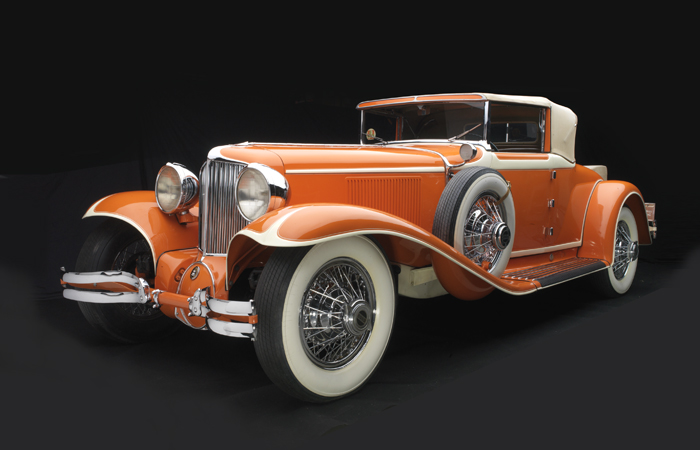
The 1930 Cord L-29 Cabriolet stands as one of the most iconic vehicles of the early 20th century, a car that redefined automotive design and engineering during its era. Housed in the Auburn Cord Duesenberg Automobile Museum, this classic vehicle is more than a machine—it is a work of art, a testament to innovation, and a symbol of the luxury and sophistication of pre-Depression America. With its pioneering front-wheel-drive system, sleek bodywork, and elegant cabriolet styling, the L-29 remains a celebrated icon among collectors, historians, and automotive enthusiasts alike.
The Birth of the Cord L-29
In the late 1920s, the Cord brand emerged from the vision of Errett Lobban Cord, an ambitious entrepreneur determined to challenge the norms of automotive design. Cord acquired several struggling manufacturers, including Auburn and Duesenberg, to create a new company capable of producing innovative, high-end vehicles. The result was the Cord L-29, introduced in 1929 as the first American front-wheel-drive production car.
Front-wheel drive was revolutionary at the time. By moving the powertrain to the front, Cord engineers achieved superior handling, improved traction, and a lower, more streamlined profile. The L-29 set new standards in both engineering and aesthetics, influencing the design of luxury cars for years to come.
Design Excellence: The Cabriolet Body
The Cabriolet version of the L-29 exemplifies the marriage of style and function. Cabriolet cars feature a convertible roof and an open-air experience while maintaining the refinement of a luxury vehicle. The L-29 Cabriolet combines this elegance with innovative engineering, offering a seamless blend of beauty and performance.
Exterior Features
-
Streamlined bodywork: The L-29 was lower and more aerodynamic than contemporaries, giving it a modern and athletic appearance.
-
Sweeping fenders: Artful fender lines curve over the wheels, emphasizing the car’s flowing silhouette.
-
Chrome accents: Brightwork around the grille, headlights, and running boards highlights the vehicle’s elegance.
-
Convertible top: The folding soft top allows the car to transform from a stylish coupe into a luxurious open-air machine.
The overall design reflects the emerging Art Deco influence, with geometric shapes, clean lines, and a sense of motion even when the car is standing still.
Engineering Innovations
The Cord L-29 was more than just a pretty car; it was a technological breakthrough. Its front-wheel-drive layout was a significant innovation, offering advantages rarely seen in American cars of the era.
Key Engineering Features
-
Front-Wheel Drive (FWD): This system improved traction, particularly on wet or uneven roads, and allowed for a lower hood and sleeker body design.
-
Independent Suspension: Although primitive by modern standards, the L-29 featured front suspension that enhanced ride comfort and handling.
-
Lycoming Engine: Equipped with a 4.9-liter inline eight-cylinder engine, the L-29 delivered smooth power and respectable performance for its class.
-
Four-Speed Manual Transmission: Combined with FWD, this allowed precise control and superior driving dynamics.
The combination of these features made the L-29 not only elegant but also a pleasure to drive, with superior stability compared to many rear-wheel-drive competitors of the period.
Interior Luxury
Inside the Cabriolet, the Cord L-29 maintains the level of refinement expected from a high-end vehicle of its era. Its interior was designed to impress passengers while providing a comfortable driving environment.
Interior Highlights
-
Plush leather upholstery: Soft, durable, and meticulously stitched, the seating reflected luxury and craftsmanship.
-
Elegant dashboard: Instrumentation was neatly arranged, with Art Deco-inspired gauges and polished wood accents.
-
Attention to detail: Chrome handles, meticulously crafted knobs, and well-finished trim conveyed quality and sophistication.
-
Convertible functionality: Folding roof mechanisms were designed for ease of use without compromising aesthetic appeal.
The interior combined comfort, ergonomics, and artistry, ensuring that the Cord L-29 Cabriolet offered a complete luxury experience.
Historical Context
The Cord L-29 emerged during a pivotal era in American automotive history. The late 1920s and early 1930s were marked by innovation, optimism, and economic turbulence. While the stock market crash of 1929 ushered in the Great Depression, luxury cars like the L-29 represented the pinnacle of aspiration, technological progress, and style.
Cord’s focus on advanced engineering and bold design differentiated the brand from competitors. The L-29’s introduction of front-wheel drive influenced future American and European vehicles, paving the way for front-drive layouts in decades to come.
The Auburn Cord Duesenberg Automobile Museum
The Auburn Cord Duesenberg Automobile Museum, located in Auburn, Indiana, preserves the legacy of these legendary marques. The museum itself is a masterpiece, housed in the former Auburn Automobile Company complex, a National Historic Landmark. Visitors can explore:
-
A collection of historic Cord, Auburn, and Duesenberg vehicles
-
Authentic artifacts and period photographs
-
Restored interiors, engine bays, and custom coachwork
-
Educational exhibits detailing technological innovation and design evolution
The 1930 Cord L-29 Cabriolet stands as a centerpiece, allowing visitors to experience firsthand the elegance, artistry, and engineering sophistication of early American luxury automobiles.
Why the Cord L-29 Cabriolet Matters
The L-29 Cabriolet is significant for multiple reasons:
-
Design Innovation: Its low-slung, streamlined body set a new standard for American car aesthetics.
-
Technological Leadership: Front-wheel drive was groundbreaking and influenced generations of designers.
-
Cultural Symbol: As a luxury vehicle, it represented status, aspiration, and sophistication in a challenging era.
-
Handcrafted Quality: Each car was built with meticulous attention to detail, combining industrial engineering with artisan craftsmanship.
Even nearly a century later, the L-29 Cabriolet is celebrated for its elegance, technical innovation, and historical importance.
Conclusion
The 1930 Cord L-29 Cabriolet in the Auburn Cord Duesenberg Automobile Museum remains a shining example of American automotive ingenuity, luxury, and artistry. With its pioneering front-wheel-drive system, hand-crafted bodywork, and convertible elegance, it embodies the golden age of automotive design. Visitors to the museum can appreciate not only the engineering achievements but also the cultural and aesthetic significance of this remarkable car. The L-29 Cabriolet continues to inspire car enthusiasts, designers, and historians, proving that innovation and beauty can coexist in perfect harmony.
Read Also: Keep your face towards the sunshine and shadows will fall behind you
Watch Also: https://www.youtube.com/@TravelsofTheWorld24








Leave a Reply