

Science education plays a vital role in shaping the minds of young learners and preparing them for the challenges of the modern world. In today’s rapidly changing society, where technology and innovation continue to transform every aspect of life, understanding science is no longer optional—it is essential. A strong foundation in science equips students with knowledge, skills, and attitudes that help them succeed academically, professionally, and personally. It teaches them how to think critically, solve problems, make informed decisions, and understand the world around them. The necessity of science education in building a strong foundation is therefore undeniable and increasingly important.
1. Understanding Science Education
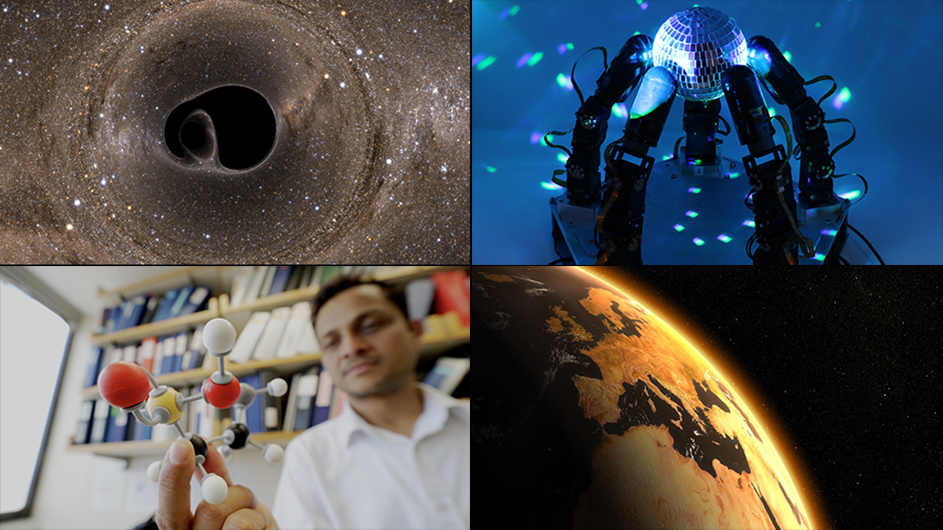
Science education is more than just learning facts about plants, animals, space, or chemical reactions. It is a comprehensive process that helps students explore natural phenomena, understand how things work, and develop the ability to question, investigate, and reason. It covers subjects such as biology, chemistry, physics, earth science, environmental studies, and emerging fields like robotics and biotechnology. Through experiments, observations, and hands-on activities, students learn to connect theory with practical experience.
Science education also develops essential skills such as communication, teamwork, data interpretation, reasoning, and creativity. It fosters curiosity and encourages students to ask questions like “Why does this happen?” or “How can we solve this problem?” This spirit of inquiry is the heart of scientific learning and the foundation for intellectual growth.
2. Why Science Education Is Necessary
Science education provides numerous benefits that contribute to building a strong foundation for learners of all ages. Its importance can be seen in many key areas:
a. Encourages Critical Thinking
One of the greatest strengths of science education is its ability to develop critical thinking skills. Students learn to:
-
Observe carefully
-
Evaluate information
-
Identify patterns
-
Form hypotheses
-
Test ideas
-
Draw conclusions based on evidence
These skills are essential not only in science but in everyday decision-making. Whether students are analyzing news, solving problems at school, or evaluating choices in their personal lives, critical thinking helps them arrive at accurate and well-reasoned decisions.
b. Enhances Problem-Solving Abilities
Science education trains students to think logically and approach problems systematically. Through experiments and scientific investigations, students learn that problems can be solved using structured methods. They test different solutions, analyze results, and modify their approach when needed. This process teaches resilience, adaptability, and strategic thinking—qualities that are necessary for future academic success and professional life.
c. Promotes Curiosity and Creativity
Children are naturally curious. Science channels this curiosity in productive ways by encouraging them to explore the unknown, ask questions, and seek answers independently. This builds creativity as students develop new ideas, experiment with innovative approaches, and think outside the box. Many of the greatest scientific discoveries in history started with simple questions fueled by curiosity.
d. Connects Learning to Real Life
One of the reasons science education is so valuable is its direct connection to everyday life. Students learn about weather patterns, health, hygiene, food, energy, and technology—all of which influence their daily routines. Understanding concepts like nutrition, recycling, electricity, or climate change helps children make responsible decisions and develop a sense of awareness about their environment.
e. Builds a Foundation for Future Careers
The world is becoming increasingly reliant on science and technology. Careers in medicine, engineering, computing, biotechnology, environmental management, and research all require a strong background in science. Even careers that are not directly scientific benefit from scientific thinking. Early exposure to science helps students identify their interests, develop confidence, and prepare for more advanced studies later.
f. Strengthens Other Academic Subjects
Science is deeply connected to mathematics, reading, writing, and even social studies. Experiments often require measurement, calculations, and data analysis, improving math skills. Writing lab reports and explanations improves language abilities. Learning about scientific discoveries develops historical and social understanding. Therefore, science education supports holistic academic growth.
g. Helps Build Responsible Citizens
Science helps students understand critical global issues such as climate change, pollution, resource conservation, and public health. With this knowledge, they become responsible individuals who can make informed decisions and contribute positively to society. An educated population is essential for solving global challenges, and science education lays the foundation for this responsibility.
3. How Science Education Builds a Strong Foundation
To build a strong foundation, science education must be engaging, meaningful, and accessible. Here are the ways it contributes to strong academic and personal development:
a. Hands-On Learning Builds Confidence
Practical experiments and activities allow students to test ideas and see results for themselves. This hands-on approach builds confidence, encourages curiosity, and makes learning enjoyable. When students successfully complete an experiment or solve a scientific problem, they gain a sense of accomplishment that motivates them to learn more.
b. Encourages Independent Thinking
Science encourages students to explore answers rather than simply memorize information. They learn to question, investigate, and draw conclusions independently. This sense of independence strengthens their ability to learn and grow on their own, a skill that benefits them throughout life.
c. Develops Communication and Collaboration Skills
Many scientific tasks require teamwork, discussion, and sharing ideas. Students learn to communicate their thoughts clearly, listen to others, and work together to solve problems. These skills are essential for personal and professional success.
d. Builds Technological Literacy
In an age of rapid technological advancement, students must understand how technology works. Science education introduces them to basic principles of engineering, digital tools, environmental technology, and innovation. Technological literacy is crucial for future careers and everyday life.
e. Establishes a Strong Knowledge Base
A strong foundation in science gives students the background knowledge needed to excel in higher learning. Whether they pursue medicine, engineering, environmental sciences, or any technical field, early science education boosts their academic performance and readiness.
4. Making Science Education Effective
To maximize the benefits of science education, it should be taught using effective and modern methods:
-
Use of experiments and demonstrations
-
Interactive learning tools and models
-
Outdoor learning and nature exploration
-
Technology integration such as videos and simulations
-
Encouraging questioning and discussion
-
Connecting lessons to real-life situations
When science is taught in a fun, engaging, and practical manner, students develop a genuine interest and love for the subject.
Conclusion
Science education is essential in building a strong foundation for learners. It teaches students to think critically, solve problems, communicate effectively, and explore the world with curiosity. It helps them understand everyday experiences, prepares them for future careers, and equips them with skills needed in a technology-driven world.
By fostering creativity, responsibility, and scientific literacy, science education shapes well-rounded individuals who can contribute to society in meaningful ways. As the world continues to evolve, the importance of strong science education becomes even more crucial. Providing students with a solid scientific foundation today is an investment in a brighter, smarter, and more innovative future.
Read Also: Keep your face towards the sunshine and shadows will fall behind you
Watch Also: https://www.youtube.com/@TravelsofTheWorld24












Leave a Reply