
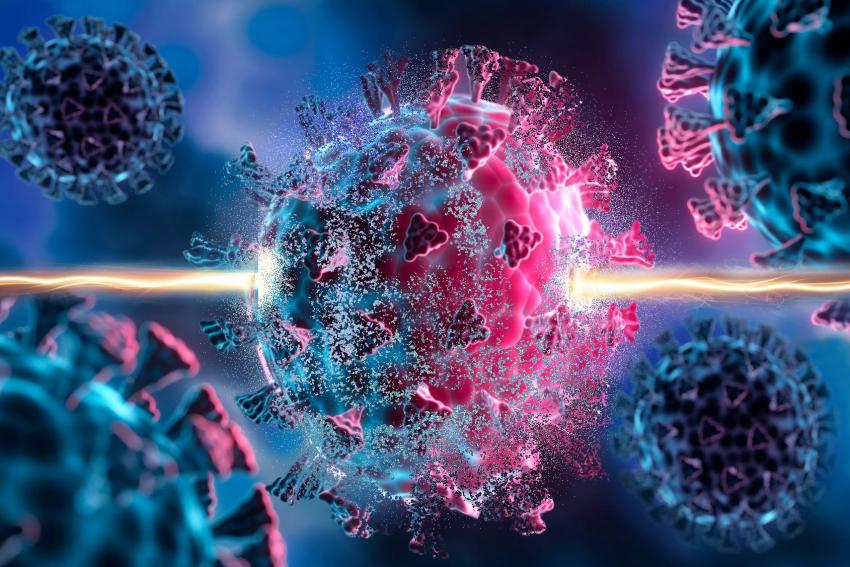
In a major breakthrough for medical research, scientists have discovered a group of compounds that significantly enhance the ability of human cells to fight off a wide range of viruses. This discovery has the potential to transform antiviral therapies and improve global responses to viral outbreaks, including influenza, coronaviruses, and other emerging pathogens. Unlike traditional antiviral drugs, which target specific viruses, these compounds work by boosting the natural defenses of cells, offering a broad-spectrum approach that could be a game-changer in combating viral infections.
The discovery is the result of years of meticulous research involving molecular biology, pharmacology, and virology. Researchers focused on identifying compounds that activate cellular pathways involved in antiviral defense, particularly those that stimulate interferon responses and other innate immune mechanisms. Early laboratory tests have shown promising results, demonstrating that treated cells can resist infections from multiple unrelated viruses without causing significant toxicity.
1. How Cells Naturally Fight Viruses
The human body has an intricate immune system designed to combat infections. At the cellular level, cells are equipped with mechanisms to detect and respond to viral invaders. Some of the key defenses include:
-
Innate Immune Response: This is the body’s first line of defense. Cells recognize viral components, such as RNA or DNA, and trigger signaling pathways that produce antiviral proteins. Interferons are one of the most important antiviral proteins produced during this response.
-
Interferons: These are signaling molecules that help neighboring cells enter an antiviral state. They slow down viral replication and activate immune cells to destroy infected cells.
-
Autophagy: Cells can isolate and degrade viral particles through a process called autophagy, reducing viral load and preventing further infection.
-
Apoptosis: In some cases, infected cells self-destruct to prevent viruses from multiplying.
While these natural defenses are effective against many viruses, some pathogens have evolved strategies to evade or suppress them. This makes it difficult to treat infections once a virus establishes itself in the body.
2. The Role of the Discovered Compounds
The newly discovered compounds work by enhancing these natural antiviral pathways. Unlike traditional antivirals, which directly target viral proteins and enzymes, these compounds target host cell mechanisms, giving cells the ability to fight multiple types of viruses simultaneously.
a. Mechanism of Action
Laboratory studies have shown that the compounds:
-
Boost Interferon Production: By enhancing the production of interferons, the compounds prepare uninfected cells to resist viral invasion.
-
Strengthen Cellular Barriers: The compounds improve the integrity of cell membranes and antiviral structures, reducing viral entry.
-
Activate Antiviral Genes: They turn on genes involved in detecting and destroying viral genetic material.
-
Enhance Autophagy: Treated cells show increased ability to degrade viral particles before they can replicate.
These mechanisms combine to create a broad-spectrum antiviral effect, giving the body more tools to combat infections even from viruses for which no specific treatment currently exists.
3. Advantages Over Traditional Antivirals
Traditional antiviral drugs, like those used for influenza or HIV, typically target specific viral enzymes or proteins. While effective, these drugs have limitations:
-
Virus-Specific: They work only against particular viruses, making them useless for new or mutated strains.
-
Resistance Development: Viruses can mutate, rendering drugs ineffective over time.
-
Limited Scope: Drugs often cannot treat emerging pathogens until new therapies are developed.
In contrast, compounds that boost the cell’s innate defenses have several advantages:
-
Broad-Spectrum Activity: They can enhance the cell’s ability to fight multiple unrelated viruses.
-
Reduced Resistance: Since the virus is not directly targeted, it is less likely to develop resistance.
-
Proactive Defense: Cells are prepared to respond to infection even before viruses establish themselves.
-
Potential for Combination Therapy: These compounds could be used alongside traditional antivirals to increase effectiveness.
4. Laboratory Findings and Experiments
Researchers conducted extensive laboratory experiments to test the compounds:
-
Cell Culture Studies: Human cell lines treated with the compounds were exposed to influenza, Zika, dengue, and other viruses. Treated cells showed significant resistance compared to untreated cells.
-
Viral Load Reduction: Viral replication was markedly decreased in treated cells, demonstrating the compounds’ effectiveness.
-
Low Toxicity: Tests showed that the compounds did not harm normal cell functions at effective doses.
-
Gene Activation Analysis: Researchers confirmed that antiviral genes and interferon pathways were strongly activated by the compounds.
These experiments provide compelling evidence that the compounds have the potential to serve as broad-spectrum antiviral agents.
5. Potential Applications
The discovery has wide-ranging implications for medicine and public health:
a. Pandemic Preparedness
Broad-spectrum antiviral compounds could be stockpiled and used in the early stages of viral outbreaks, providing immediate protection before virus-specific treatments are developed.
b. Treating Emerging Viruses
New and emerging viruses, such as novel coronaviruses, often spread before vaccines or drugs are available. These compounds could help control infections during the initial stages of outbreaks.
c. Combination Therapies
The compounds could be used in combination with existing antiviral drugs, enhancing effectiveness and reducing the likelihood of resistance.
d. Vulnerable Populations
Elderly or immunocompromised individuals, who are more susceptible to viral infections, could benefit from treatments that strengthen their innate cellular defenses.
6. Challenges and Considerations
Despite the promising results, there are challenges before these compounds can be widely used:
-
Clinical Trials: Laboratory success does not guarantee effectiveness in humans. Extensive testing is required to ensure safety and efficacy.
-
Dosage and Delivery: Researchers must determine optimal doses and delivery methods to maximize benefits while minimizing side effects.
-
Long-Term Effects: Since the compounds activate cellular pathways, long-term consequences must be studied to avoid unintended immune responses.
-
Regulatory Approval: Any new drug must pass rigorous regulatory processes before it can be prescribed to patients.
7. Expert Opinions
Scientists are optimistic about the discovery:
-
Dr. Elena Ramirez, a virologist, says: “This approach represents a paradigm shift. Instead of chasing each virus individually, we can now empower cells to defend themselves against many pathogens.”
-
Dr. Samuel Lee, an immunologist, adds: “Boosting the innate immune response is an elegant solution. It could change how we prepare for pandemics and treat infections.”
The discovery highlights the importance of basic research into cellular mechanisms and immune responses.
8. Future Directions
The research team is now focusing on several next steps:
-
Animal Studies: Testing the compounds in animal models to assess effectiveness and safety in living organisms.
-
Optimization: Modifying the compounds to improve stability, potency, and delivery to target tissues.
-
Broader Testing: Investigating the compounds against a wider range of viruses, including respiratory, gastrointestinal, and mosquito-borne viruses.
-
Clinical Development: Preparing for human trials to determine therapeutic potential.
The ultimate goal is to develop antiviral therapies that can be used globally to protect against current and future viral threats.
Conclusion
The discovery of compounds that help cells fight a wide range of viruses is a groundbreaking development in antiviral research. By enhancing the natural defenses of cells, these compounds offer a broad-spectrum approach that could revolutionize how we treat viral infections and respond to emerging pathogens. Laboratory studies have shown strong antiviral activity with low toxicity, suggesting that these compounds have the potential to become a vital tool in global healthcare.
While challenges remain, including clinical trials and regulatory approval, the scientific community is optimistic. The discovery demonstrates the power of innovative approaches that focus on boosting cellular defenses rather than targeting viruses directly. In an era of increasing viral outbreaks and pandemics, such discoveries could prove invaluable, providing new hope for effective, wide-ranging antiviral therapies.
Read Also: Keep your face towards the sunshine and shadows will fall behind you
Watch Also: https://www.youtube.com/@TravelsofTheWorld24














Leave a Reply