
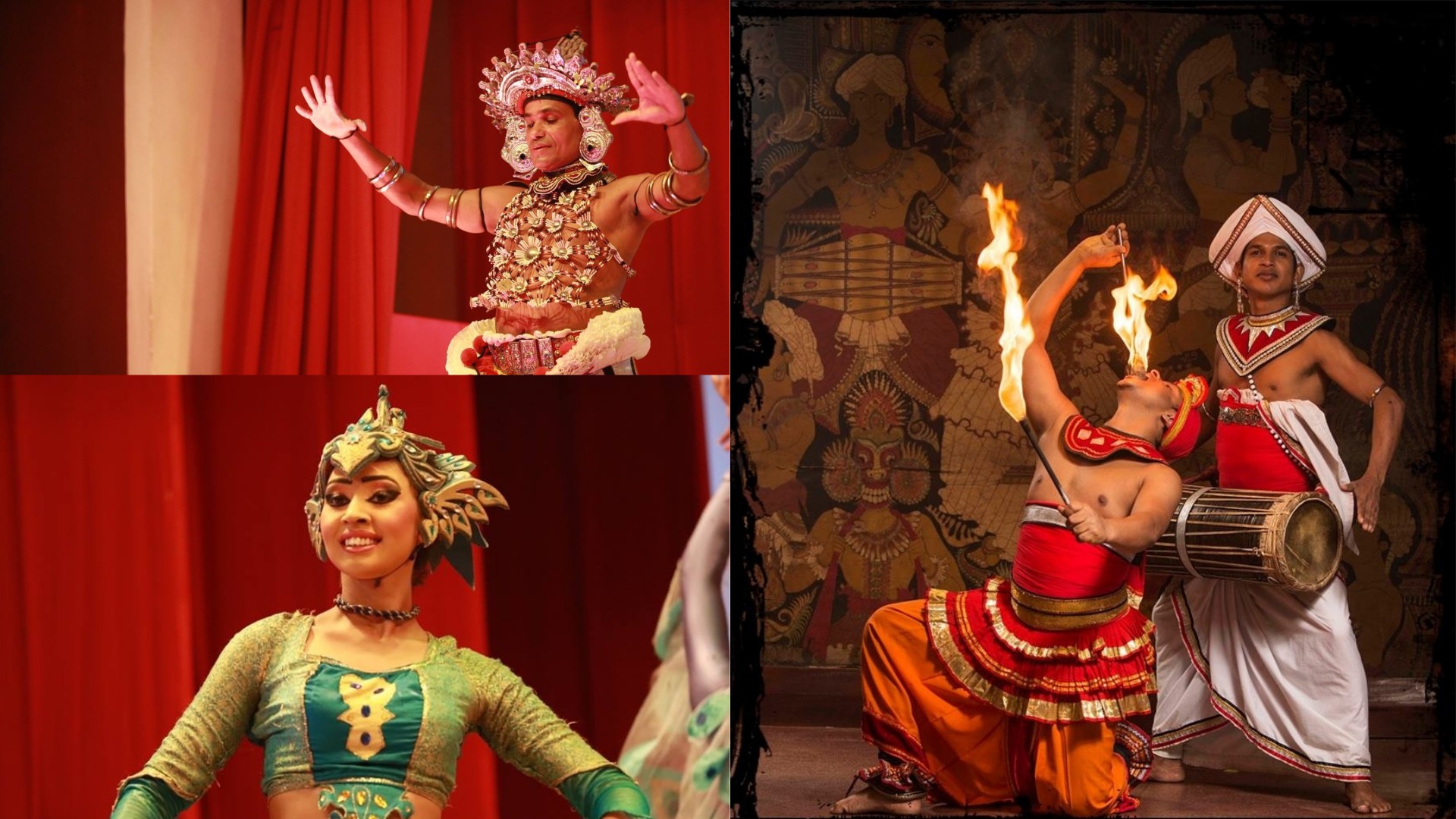
Sri Lanka, with its centuries-old history and vibrant cultural identity, is home to one of the most graceful and spiritually rich dance traditions in Asia: Kandyan Dancing. Known locally as Uda Rata Natum, this dance form originated in the central hill capital of Kandy and has evolved into the country’s most iconic and respected classical dance. Today, Kandyan Dancing stands as a symbol of national pride—expressing devotion, storytelling, spirituality, and artistic beauty through rhythmic movements and mesmerizing drumbeats.
More than just a performance, Kandyan Dancing is a living tradition that continues to inspire both local performers and global audiences. It represents the unique heritage of Sri Lanka, blending ancient rituals, royal customs, and disciplined artistry into a single breathtaking expression.
Origins of Kandyan Dancing: A Ritual Born from Legend
The roots of Kandyan dancing are closely tied to a powerful ritual known as the Kohomba Kankariya, one of the oldest healing ceremonies in Sri Lankan culture. According to legend, the gods themselves introduced this ritual to the island to cure a king who had been cursed. Over time, this ritual evolved into a spectacular dance tradition that honored deities and brought prosperity and protection to communities.
During the era of the Kandyan Kingdom, the dance gained further prominence. Kings supported and preserved the art, providing dancers with special privileges and a respected position in society. For centuries, Kandyan Dancing remained an exclusive art performed only by hereditary dancers during temple ceremonies and royal functions. Today, the tradition has expanded beyond royal courts, becoming a celebrated national heritage enjoyed by people worldwide.
The Kohomba Kankariya: Sacred Foundation of the Dance
The Kohomba Kankariya is the spiritual backbone of Kandyan dance. This ritual, traditionally held in villages and temples, features all-night performances filled with chanting, drumming, acrobatics, and elaborate dance sequences. Its purpose is to invoke blessings, heal illnesses, and purify the environment from negative forces.
Although modern Kandyan dance performances are often secular, the essence of the Kohomba Kankariya—the devotion, the rhythm, and the sacred movements—remains embedded in every step.
Characteristics of Kandyan Dancing
Kandyan Dancing is admired for its powerful yet graceful style, combining physical strength, flexibility, and rhythmic precision. Several features make it distinct:
1. Dynamic Movements
Kandyan dancers perform using:
-
High leaps and acrobatic jumps
-
Circular spins and swift turns
-
Strong, controlled chest and torso movements
-
Rhythmic foot patterns synchronized with drumbeats
These movements require years of practice, making the dancers disciplined, agile, and remarkably expressive.
2. Symbolic Hand Gestures
Hand movements, known as mudras, symbolize natural elements, emotions, animals, and deities. Every gesture carries meaning, transforming the dance into a visual language.
3. Structured Footwork
The footwork in Kandyan Dancing follows specific rhythmic cycles guided by drums. The dancer must maintain steady balance and timing, moving with precision across the stage while performing sweeping gestures.
4. Spiritual Expression
Even in modern performances, Kandyan Dancing retains an aura of spirituality. The movements appear ritualistic—elevating the performance from entertainment to a profound cultural expression.
The Traditional Ves Costume: A Sacred Symbol of the Dance
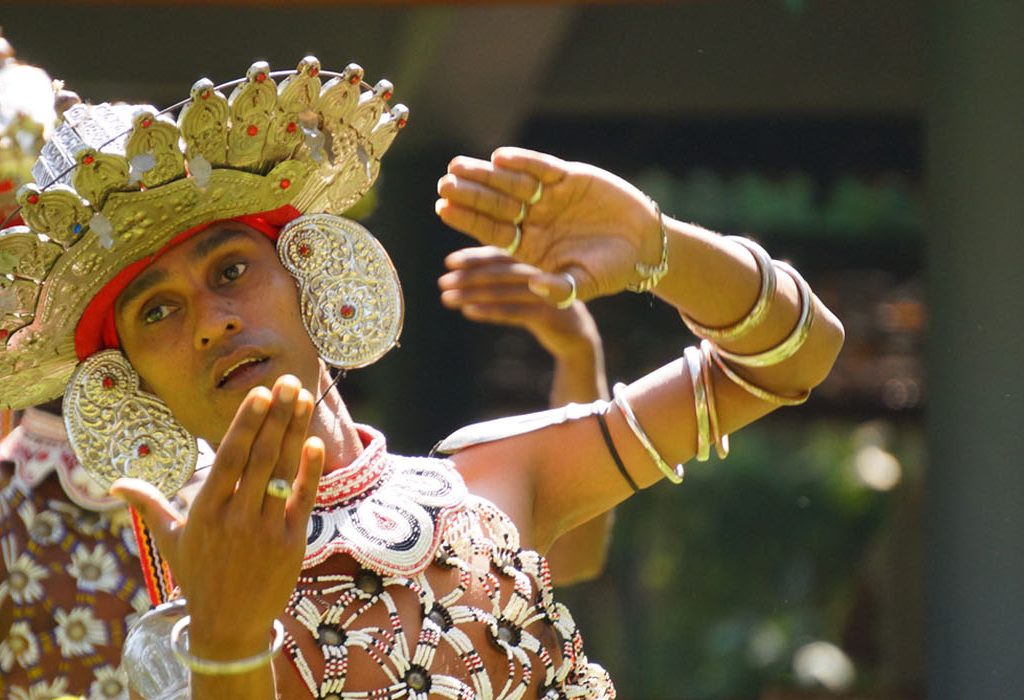
One of the most striking features of Kandyan Dancing is the Ves costume, worn exclusively by male dancers. This elaborate attire is deeply sacred and symbolizes the purity and divinity of the tradition.
Sacred Ves Attire Includes:
-
Ves headdress: A tall, ornate crown representing divine blessing
-
Silver breastplate: Symbolizing strength and protection
-
Beaded ornaments: Adding shine and movement to the choreography
-
White cloth (mul anduma): Wrapped around the waist in layered folds
-
Ankle bells (salamba): Enhancing rhythm with every step
Before a dancer wears the Ves costume for the first time, he must go through a special initiation ceremony known as the Ves Mutti Mangalya, which is believed to grant spiritual permission to perform. Wearing the Ves without this ceremony is considered disrespectful and spiritually dangerous.
Female dancers, who were introduced to Kandyan dance more widely in the 20th century, wear elegant osariya-inspired costumes with glittering ornaments that emphasize their grace and feminine movement.
The Drumming Tradition: Heartbeat of Kandyan Dance
Kandyan Dancing cannot exist without its traditional drumming. The primary drum used is the Geta Beraya, a double-headed drum carved from wood and tightened with leather cords.
Role of Drums
-
Provide the rhythm and tempo
-
Guide the dancer’s timing and energy
-
Create a spiritual ambiance
-
Signal changes in movement and emotion
Other supporting instruments include:
-
Thammattama – twin drums played with sticks
-
Udakkiya – a small hand drum used in rituals
-
Horanewa – a wind instrument similar to the oboe
Together, these instruments produce a vibrant, powerful soundscape that elevates the dance into a rhythmic ritual.
 Vannam: The Classical Dance Repertoire
The traditional Kandyan dance repertoire consists of 18 Vannam, rhythmic songs composed during the Kandyan Kingdom period. Each Vannama describes themes from nature, history, or mythology, and is performed with expressive movements that reflect its subject.
Popular Vannam Include:
-
Gajaga Vannama – elephant dance expressing strength and majesty
-
Mayura Vannama – peacock dance symbolizing beauty and elegance
-
Hanuma Vannama – depicting the monkey god Hanuman
-
Asadrusha Vannama – praising warrior kings
-
Naga Vannama – inspired by serpents and mythical beings
Each Vannama blends storytelling with rhythmic precision, making it a cornerstone of Kandyan dance education.
Kandyan Dance Training: Discipline and Devotion
Training in Kandyan Dancing is rigorous and deeply structured. Students begin at a young age, learning basic movements, drum rhythms, posture, and balance. Their training involves:
-
Daily stretching and strength exercises
-
Hours of footwork practice
-
Drum rhythm memorization
-
Mastery of Vannam sequences
-
Learning ritualistic gestures and expressions
Becoming a full-fledged Kandyan dancer requires not only technical skill but also devotion and discipline, as the tradition is seen as both an art and a spiritual practice.
 Kandyan Dance in Modern Sri Lanka
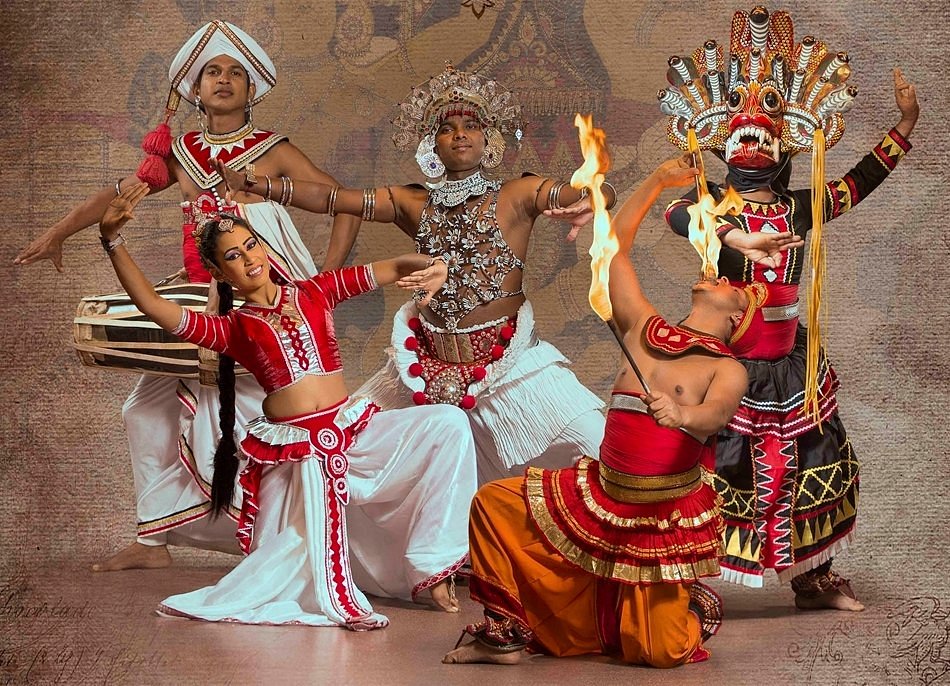
Today, Kandyan Dancing is prominently featured in:
-
Cultural festivals
-
Temple processions like the Esala Perahera
-
National celebrations
-
School and university productions
-
Tourist showcases
-
Global cultural events
The Kandy Esala Perahera, one of the grandest Buddhist festivals, features hundreds of Kandyan dancers performing alongside drummers, elephants, and fire dancers. It is one of the most spectacular public displays of the art.
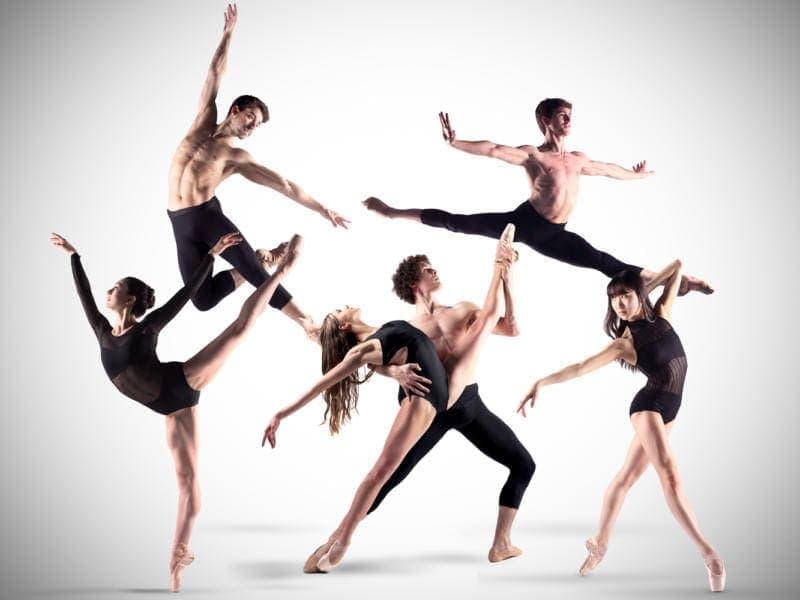
Kandyan Dancing has also entered the modern stage, with choreographers blending it with contemporary styles, ballet, and global music. Even so, the classical form remains deeply respected and widely practiced across the island.
Cultural Significance and Legacy
Kandyan Dancing is not just a performance—it is a cultural treasure. It carries:
-
The spiritual heritage of ancient rituals
-
The dignity of the Kandyan royal era
-
The creativity of generations of dancers
-
The rhythmic energy of traditional drumming
-
The visual beauty of costumes and gestures
For Sri Lankans, Kandyan Dancing is a proud symbol of identity, resilience, and artistic achievement. For global audiences, it is a captivating art form that showcases the island’s profound cultural depth.
Conclusion
Sri Lankan Kandyan Dancing remains one of the most vibrant and cherished dance traditions in the world. With its sacred origins, powerful movements, dazzling costumes, and rhythmic drumming, it reflects the spiritual heart of Sri Lankan culture. Whether performed in temples, festivals, or modern stages, Kandyan Dancing continues to inspire awe—preserving its ancient roots while reaching new generations of dancers and audiences. It stands not only as an art form but as a cultural legacy that honors the island’s history, faith, and artistic brilliance.
Read Also: Keep your face towards the sunshine and shadows will fall behind you
Watch Also: https://www.youtube.com/@TravelsofTheWorld24


Leave a Reply