
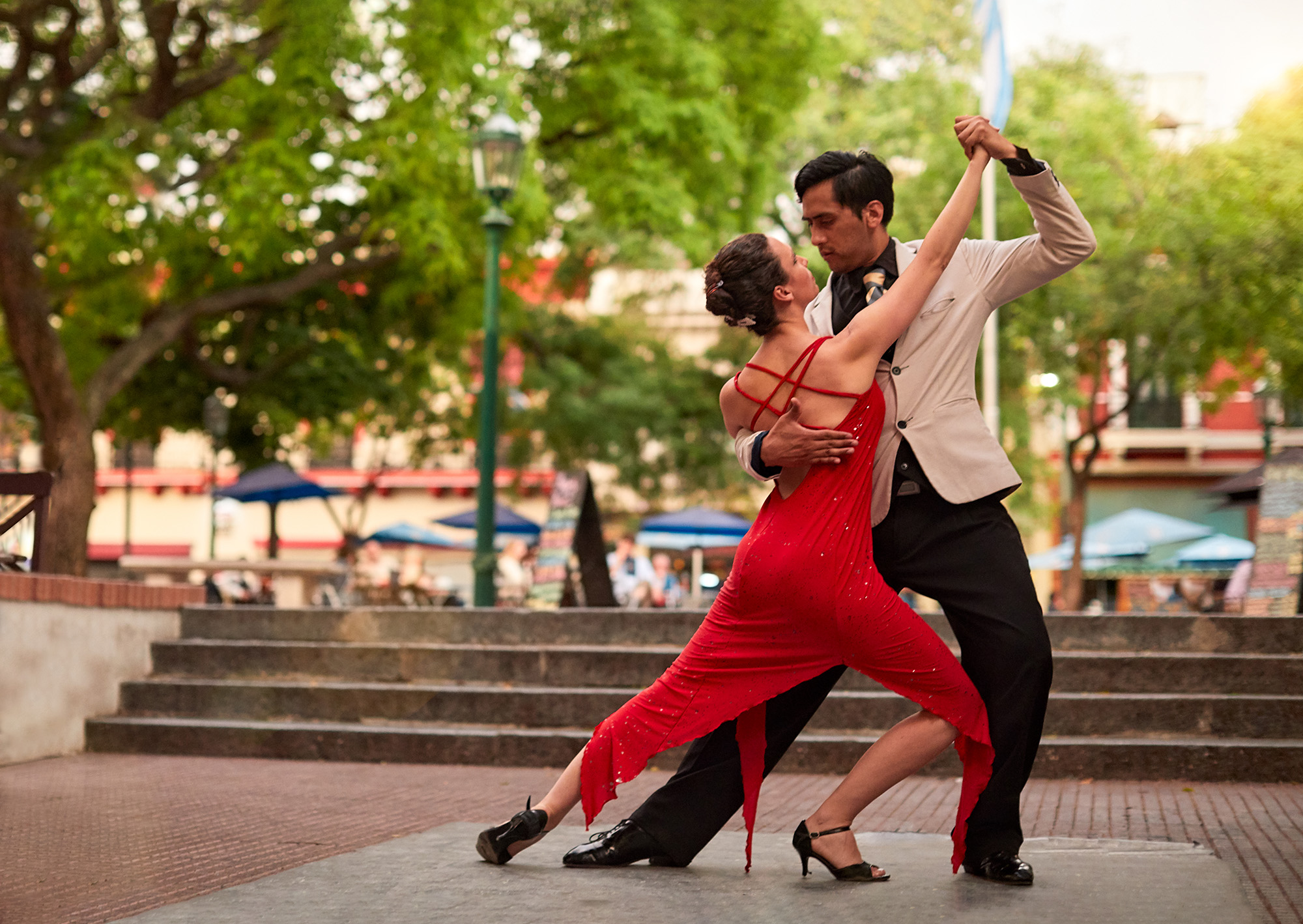
Latin dances are among the most energetic, expressive, and culturally rich dance styles in the world. Originating from Latin America and the Caribbean, these dances blend African rhythms, Indigenous traditions, and European influences into vibrant artistic expressions. Today, Latin dances are celebrated globally—not only as forms of entertainment but also as cultural symbols representing identity, emotion, and heritage.
From the electrifying movements of Salsa to the sensual elegance of Tango, each Latin dance showcases the unique spirit of the communities that created it. Whether performed socially, competitively, or on stage, Latin dances continue to captivate dancers and audiences with their powerful rhythms, passionate expressions, and infectious energy.
Origins of Latin Dance: A Fusion of Cultures
Latin dances have their roots in a fusion of different cultural traditions:
1. Indigenous Cultures
Native peoples of Latin America practiced ritual dances long before European arrival. These dances often honored nature, celebrated festivals, or invoked spiritual powers.
2. African Influence
When Africans were brought to the Americas through the slave trade, they carried with them complex drum rhythms, hip movements, and group dances. These elements heavily shaped the rhythm and style of Latin dances.
3. European Influence
Spanish and Portuguese colonists contributed musical instruments, structured dance forms, and partner dancing styles. Over centuries, these elements blended with African and Indigenous traditions, giving birth to the Latin dances we know today.
1. Salsa: The Heartbeat of Latin Dance
Salsa is perhaps the most popular Latin dance worldwide. Originating in the Caribbean—particularly Cuba and Puerto Rico—it gained global fame in the 20th century through New York’s Latino communities.
Characteristics of Salsa
-
Fast footwork
-
Spins and turns
-
Strong hip movement
-
Afro-Cuban body isolations
-
Energetic partner patterns
Salsa music blends Afro-Cuban rhythms with jazz, making it dynamic and lively. There are different styles such as Cuban Salsa, New York Style, Puerto Rican Style, and LA Style, each with its own flavor.
2. Bachata: Romance in Motion
Originating from the Dominican Republic, Bachata is known for its sensual, romantic style. It began as a rural dance reflecting themes of love, longing, and heartbreak.
Features of Bachata
-
Close partner connection
-
Soft hip movements
-
Side-to-side basic steps
-
Emotional expression
Modern Bachata has evolved into Urban Bachata and Bachata Fusion, incorporating modern music and styling while keeping the dance’s soulful roots alive.
3. Merengue: The Dance of Joy
Also from the Dominican Republic, Merengue is joyful, easy to learn, and popular at celebrations.
Merengue Style
-
Marching-like basic step
-
Quick hip action
-
Fun partner turns
-
Simple yet vibrant movements
Because of its simplicity, Merengue is often the first Latin dance beginners learn, making it a gateway to other Latin styles.
4. Tango: Intensity and Elegance
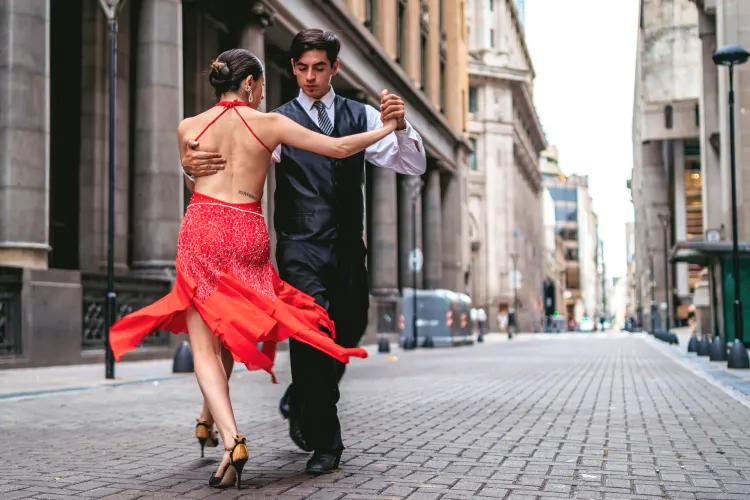
Tango originated in Argentina and Uruguay in the late 1800s, emerging from the working-class neighborhoods of Buenos Aires.
Why Tango Stands Out
-
Deep emotional connection
-
Dramatic pauses and sharp movements
-
Close embrace
-
Complex footwork and leg flicks
Tango is both sensual and intense, expressing deep emotion through intricate steps. Argentine Tango is the traditional form, while Ballroom Tango has a more structured, dramatic style.
5. Cha-Cha-Cha: Playful and Flirty
The Cha-Cha-Cha, developed in Cuba, is known for its fun, syncopated rhythm.
Key Elements
-
Quick steps (“cha-cha-cha”)
-
Sharp hip movements
-
Playful expressions
-
Fast partner interactions
It is lively, cheerful, and often considered one of the most enjoyable Latin ballroom dances.
6. Rumba: The Dance of Love
Rumba is one of the oldest Cuban dances and is often called the “dance of love” because of its slow, sensual movements.
Rumba Highlights
-
Slow tempo
-
Smooth hip action
-
Romantic storytelling
-
Expressive arm and body motions
Ballroom Rumba is known for its elegance, while traditional Cuban Rumba is more grounded and rhythm-focused.
7. Samba: Rhythm of Brazil
Samba is Brazil’s national dance and plays a central role during Rio de Janeiro’s Carnival.
Samba Characteristics
-
Fast footwork
-
Quick bouncing action
-
Energetic steps
-
Bright costumes
There are many types of Samba—from ballroom Samba to Afro-Brazilian Samba de Roda—each showcasing Brazil’s lively culture and festive spirit.
8. Cumbia: The Soul of Colombia
Cumbia began on the Caribbean coast of Colombia and reflects a blend of African, Indigenous, and Spanish traditions.
Cumbia Style
-
Circular partner movement
-
Soft hip motion
-
Simple basic steps
-
Traditional skirts that enhance the dance
Cumbia music, with its steady drum rhythm, creates an irresistible atmosphere of celebration.
9. Mambo: Fast, Stylish, and Rhythmic
Mambo originated in Cuba and became a sensation in the 1940s and 1950s.
Mambo Features
-
Fast-paced footwork
-
Sharp, stylish movements
-
Complex rhythms
-
Energetic partner work
Mambo is the foundation for many modern Latin dances, including Salsa.
Why Latin Dances Are Loved Around the World
Latin dances are more than techniques—they are cultural expressions filled with emotion, rhythm, and storytelling. Several reasons explain their global popularity:
1. Strong Emotional Expression
Whether joyful (Merengue), romantic (Bachata), or intense (Tango), Latin dances allow people to express feelings freely.
2. Social and Inclusive
Latin dance communities are welcoming, making these dances enjoyable for beginners and experts alike.
3. Health and Fitness Benefits
Latin dancing improves:
-
Cardio fitness
-
Flexibility
-
Coordination
-
Stress relief
4. Cultural Appreciation
Learning Latin dances helps people understand the history, struggles, and celebrations of Latin American communities.
 The Global Influence of Latin Dance
Today, Latin dances dominate social events, dance schools, festivals, and international competitions. Latin dance festivals attract thousands of enthusiasts annually, and dance studios worldwide teach Salsa, Bachata, and Tango as core styles.
In popular culture, Latin rhythms have shaped global music trends, influencing artists across genres. Dance competitions like “Dancing with the Stars” and “World Latin Dance Cup” have further elevated Latin dance to global stages.
Conclusion
Latin dances are a vibrant celebration of movement, culture, and passion. Each dance—whether the energetic Salsa, sensual Bachata, dramatic Tango, or joyful Merengue—reflects the rich history and identity of Latin America. Today, these dances connect people across continents, uniting them through rhythm, expression, and community. Latin dance continues to evolve while preserving its cultural roots, making it one of the most dynamic and beloved dance traditions in the world.
Read Also: Keep your face towards the sunshine and shadows will fall behind you
Watch Also: https://www.youtube.com/@TravelsofTheWorld24



Leave a Reply