
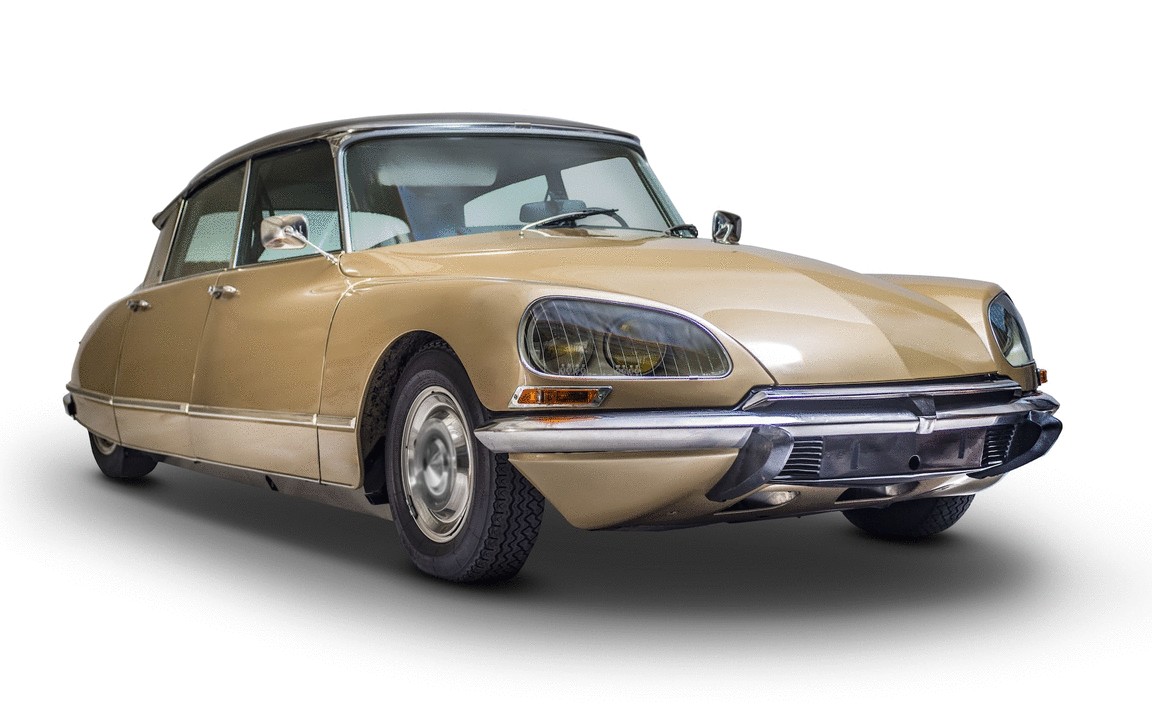
Few cars in automotive history can claim the perfect combination of innovation, artistry, and timeless design. The 1971 Citroën DS is one of them. Launched in 1955, the DS immediately stunned the world with its futuristic styling, advanced engineering, and unparalleled comfort. By 1971, the DS had evolved into a mature, refined machine that combined the original’s avant-garde vision with practical enhancements, making it one of the most iconic cars of the 20th century.
For car enthusiasts, the Citroën DS is more than a vehicle—it is a symbol of French creativity, technical daring, and aesthetic ambition. It represents a time when cars were not only functional but also cultural statements, blending form and function in extraordinary ways.
This article explores why the 1971 Citroën DS remains my favorite French car, highlighting its design, engineering innovations, cultural impact, and enduring legacy.
Design: Sculpture on Wheels
One look at the DS, and it’s clear that Citroën was thinking like an artist, not just an engineer. Unlike the boxy and conservative cars of its era, the DS featured fluid, aerodynamic lines inspired by the shapes of aircraft and modern architecture.
Exterior Elegance
-
Aerodynamic silhouette: The smooth, flowing body reduced drag, giving the DS a futuristic presence.
-
Distinctive front end: Covered headlights (later versions had swiveling headlights that followed the steering) and a simple grille created a serene, confident face.
-
Unique rear design: The tapering tail, with its elegant fenders and subtle fins, gave the car a sense of motion even when standing still.
The 1971 DS refined these design elements, incorporating small updates like more ergonomic bumpers, improved lighting, and subtle trim enhancements, while preserving the original’s ethereal aesthetic.
Interior: Comfort as an Art Form
While the exterior dazzled, the interior of the DS was revolutionary in its comfort and ergonomic design. Citroën’s engineers approached the cabin as a space for relaxation and refinement.
Luxury Materials
-
Soft leather upholstery
-
Ample use of high-quality plastics and metals
-
Minimalistic yet functional dashboard layout
Driver-Centric Features
-
Steering wheel mounted controls and column-mounted gear shifter
-
Unusual but intuitive dashboard placement of gauges and controls
-
Spacious seating with exceptional legroom for front and rear passengers
The 1971 DS further enhanced comfort with refinements to seat cushions, dashboard ergonomics, and cabin layout, making long journeys effortless and luxurious.
Hydropneumatic Suspension: Engineering Marvel
Perhaps the most remarkable feature of the DS is its hydropneumatic self-leveling suspension. Unlike conventional suspension systems, this innovation allowed the DS to “float” over the road, offering a ride quality unmatched by any contemporary vehicle.
How It Worked
The system combined hydraulic fluid, nitrogen gas, and a network of spheres and pistons to maintain constant ride height regardless of load. The result was:
-
Perfectly smooth ride even on rough roads
-
Automatic adjustment for passenger or luggage weight
-
Exceptional handling with minimal body roll
By 1971, the suspension had been refined for improved reliability, smoother travel, and better response at higher speeds, cementing the DS’s reputation as the ultimate comfort machine.
Innovative Technology Ahead of Its Time
The Citroën DS was not just about comfort—it was a showcase of cutting-edge technology decades ahead of its peers.
Notable Features
-
Swiveling headlights: In 1967, Citroën introduced headlights that turned with the steering, improving visibility around corners—a feature virtually unheard of at the time.
-
Disc brakes: While many cars still relied on drum brakes, the DS offered front disc brakes for superior stopping power.
-
Semi-automatic transmission: Available in some markets, making driving easier without sacrificing control.
-
Power-assisted steering and brakes: Adding to ease and comfort, especially in urban driving.
The 1971 DS combined these features with incremental refinements in electronics and mechanics, keeping it at the forefront of automotive innovation.
Performance: Graceful Yet Capable
The DS’s ride quality did not come at the expense of performance. In 1971, the car was offered with a range of engines, from modest four-cylinder units to the powerful DS 21 Pallas.
-
Smooth acceleration: Thanks to lightweight construction and advanced suspension, the DS felt effortless on the road.
-
Balanced handling: Rear-wheel drive combined with the self-leveling suspension allowed for predictable, confident cornering.
-
Long-distance comfort: Ideal for European highways, offering both high-speed stability and serenity on slower city streets.
The 1971 updates focused on engine refinement, improved brakes, and quieter operation, ensuring the DS remained a pleasure to drive, not just a showpiece.
Cultural Icon and Design Influence
The DS was more than a car—it was a cultural phenomenon.
-
Political prestige: French presidents and dignitaries frequently chose the DS, cementing its image as a vehicle of authority and elegance.
-
Cinema and media: Its appearances in films and magazines highlighted its futuristic appeal and artistic beauty.
-
Design influence: The DS inspired generations of designers, influencing everything from car bodywork to furniture and architecture.
By 1971, the DS was firmly ensconced as a symbol of French ingenuity and taste, admired across Europe and beyond.
Why the 1971 DS Remains My Favorite
There are countless reasons to admire the 1971 Citroën DS:
-
Design That Transcends Time: Over 50 years later, it remains instantly recognizable and admired.
-
Engineering Brilliance: Hydropneumatic suspension, advanced brakes, and steering innovations make it feel revolutionary even today.
-
Comfort Without Compromise: The DS prioritizes passenger experience in a way modern cars often overlook.
-
Emotional Connection: Driving or even just observing the DS evokes curiosity, admiration, and joy.
-
Cultural Significance: It represents an era when cars were as much art and identity as transportation.
The 1971 DS combines form, function, and emotion in a way that few other cars can match.
The Legacy of the DS
The DS left a lasting mark on automotive history. Its design language and engineering concepts influenced countless vehicles, particularly in France and Europe.
-
Hydropneumatic suspension: Inspired later Citroën models and modern adaptive suspensions.
-
Swiveling headlights: Became a feature in premium cars decades later.
-
Avant-garde styling: Encouraged automakers to consider aesthetics as essential to brand identity.
Collectors today prize the DS for its combination of historical importance, driving experience, and visual elegance. Models from 1971 are particularly sought after for their refined features, improved mechanics, and classic charm.
Conclusion: A Timeless Masterpiece
The 1971 Citroën DS is more than a car—it is a work of art and engineering marvel. It perfectly embodies the French philosophy of innovation and style, where practicality and emotion coexist in harmony.
Driving the DS is not merely transportation; it is an experience—one that connects the past and present, technology and art, comfort and performance. Even today, its combination of elegance, technical ingenuity, and cultural significance makes it a personal favorite for enthusiasts and casual admirers alike.
In an era where cars increasingly prioritize efficiency and standardization, the 1971 DS reminds us that vehicles can also be emotional, innovative, and visually captivating. It is a testament to what bold, imaginative thinking can achieve and why French automotive design continues to inspire the world.
Read Also: Keep your face towards the sunshine and shadows will fall behind you
Watch Also: https://www.youtube.com/@TravelsofTheWorld24






Leave a Reply