
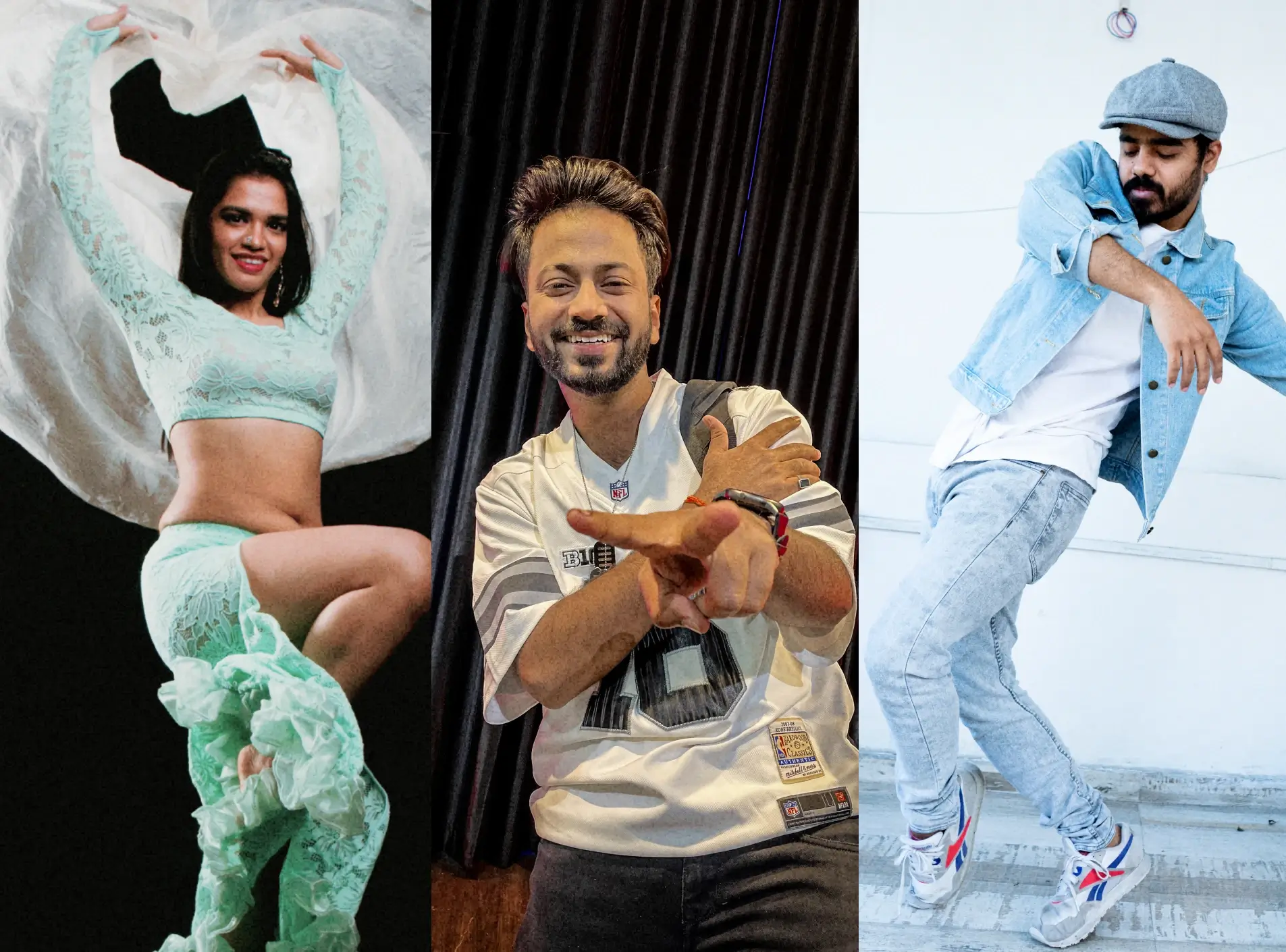
Dance has always been a vibrant expression of culture, emotion, and social interaction. In the Western world, dance evolved through centuries of cultural shifts, theatrical influences, and musical innovations. From elegant ballroom dances to energetic street styles, Western dance reflects creativity, storytelling, and social trends. Certain dance forms continue to dominate studios, stages, and entertainment platforms because they are versatile, engaging, and accessible. Here’s a detailed look at 10 Western dance styles that are always in high demand.
1. Ballet — The Classical Foundation
Ballet is arguably the most influential Western dance form. Originating in the Italian Renaissance courts of the 15th century and later refined in France and Russia, ballet emphasizes precision, technique, and grace.
Key Features
-
Structured positions and movements
-
Pointe work for female dancers
-
Dramatic storytelling through choreography
-
Integration with classical music
Ballet remains a core discipline in dance education. Beyond theatrical performances, its training forms the basis for contemporary dance, jazz, and even some forms of modern fitness.
2. Jazz Dance — Energy and Expression
Jazz dance emerged in the early 20th century in the United States, influenced by African-American rhythms and theatrical performances. Known for its sharp movements, improvisation, and syncopated rhythm, jazz dance is high-energy and visually captivating.
Highlights
-
Isolations of body parts
-
Quick, syncopated footwork
-
Expressive facial and body gestures
-
Fusion with popular music and Broadway-style routines
Jazz is always in demand in musical theater, television, and commercial dance because it combines athleticism, performance flair, and adaptability.
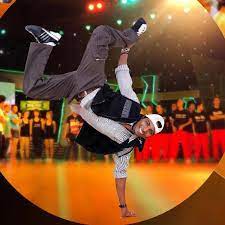
3. Hip Hop — Street Culture on Stage
Hip hop dance originated in the 1970s in urban communities of New York City. Rooted in hip hop music and street culture, it is dynamic, improvisational, and highly influential globally.
Core Elements
-
Breaking (b-boying/b-girling)
-
Locking and popping
-
Freestyle improvisation
-
Battles and group routines
Hip hop is not only a performance art but also a form of self-expression and community identity. It continues to be popular in dance studios, competitions, and social media trends.
4. Tap Dance — Rhythm and Percussion
Tap dance is a uniquely Western dance form where dancers create rhythmic sounds with metal plates on their shoes. It gained prominence in America during the 19th and 20th centuries, blending African and Irish dance influences.
Highlights
-
Complex footwork and syncopated rhythms
-
Percussive storytelling through movement
-
Solo and ensemble performances
-
Integration with jazz and Broadway music
Tap remains popular for theatrical performances, stage shows, and workshops because it combines rhythm, coordination, and musicality in an engaging way.
5. Contemporary Dance — Innovation and Emotion
Contemporary dance blends elements from classical ballet, modern dance, and jazz. It focuses on expression, storytelling, and creative movement, often challenging traditional dance boundaries.
Characteristics
-
Fluidity and improvisation
-
Use of gravity, weight, and momentum
-
Emotional storytelling
-
Fusion of styles and experimental techniques
Contemporary dance remains highly demanded in performance companies, experimental theater, and choreography competitions due to its versatility and expressive freedom.
6. Ballroom Dance — Elegance and Social Connection
Ballroom dance encompasses partner-based social dances, including waltz, tango, foxtrot, quickstep, and cha-cha. Originating in European courts, ballroom emphasizes posture, rhythm, and grace.
Key Features
-
Structured partner techniques
-
Smooth and precise movements
-
Elegant costumes and presentation
-
Social and competitive dance formats
Ballroom is widely practiced in social gatherings, dance competitions, and teaching studios, maintaining its popularity for both beginners and professionals.
7. Latin Dance — Passion and Rhythm
Latin dance, often grouped with ballroom, highlights energetic, sensual, and rhythmic movements. Popular styles include salsa, rumba, samba, and cha-cha, each with unique cultural roots.
Highlights
-
Hip movements and quick footwork
-
Expressive, flirtatious partner interaction
-
Vibrant musicality and tempo
-
Social, competitive, and performance formats
Latin dance is a favorite in clubs, social events, and competitions because of its vibrant energy, accessibility, and engaging style.
8. Modern Dance — Freedom of Expression
Modern dance emerged in the early 20th century as a reaction against classical ballet’s rigid structure. It emphasizes emotional authenticity, natural movement, and creative exploration.
Key Elements
-
Floor work and weight shifts
-
Improvisation and individual style
-
Narrative and abstract expression
-
Integration with contemporary music
Modern dance remains a cornerstone in educational institutions, performance companies, and experimental art projects due to its emphasis on personal expression.
 9. Jazz Funk / Commercial Dance — Pop Culture Appeal
Jazz funk, also known as commercial dance, combines jazz techniques with street dance styles and is highly visible in music videos, concerts, and television performances.
Key Features
-
High-energy choreography
-
Sharp isolations and stylistic flair
-
Integration of hip hop and jazz elements
-
Performance-focused movements for stage and camera
This style is in constant demand in the entertainment industry due to its visual appeal, adaptability, and alignment with contemporary music trends.
10. Swing and Rock ‘n’ Roll — Retro Fun and Energy
Swing and rock ‘n’ roll dances, originating in the 1920s–1950s in America, are upbeat partner dances associated with jazz and early rock music. They remain popular in social dance communities and vintage-themed events.
Highlights
-
Fast-paced footwork and spins
-
Partner coordination and improvisation
-
Energetic lifts and jumps
-
Retro style and nostalgic appeal
These dances are still taught in social dance clubs and workshops worldwide because of their infectious energy and fun factor.
 Why These Dance Styles Remain Popular
The continuous demand for these Western dance styles can be attributed to several factors:
-
Versatility – These styles are adaptable for stage, social, and commercial settings.
-
Cultural Influence – Movies, music videos, and global pop culture perpetuate their popularity.
-
Fitness and Well-being – Dance combines physical activity with creativity, attracting students of all ages.
-
Expressive Freedom – Many styles allow personal expression and storytelling.
-
Community and Social Connection – Partner dances and group styles build interaction and belonging.
Dance schools, entertainment companies, and social clubs continue to prioritize these forms because they meet diverse needs: artistic expression, social engagement, performance, and health.
Conclusion
Western dance offers a rich and diverse landscape, ranging from the structured elegance of ballet and ballroom to the energetic spontaneity of hip hop and jazz funk. These 10 dance styles—ballet, jazz, hip hop, tap, contemporary, ballroom, Latin, modern, jazz funk/commercial, and swing—have endured through changing times because they combine artistry, expression, entertainment, and cultural relevance. They continue to captivate new generations, ensuring that dance remains a universal language, celebrated across studios, stages, and social gatherings around the world.
Read Also: Keep your face towards the sunshine and shadows will fall behind you
Watch Also: https://www.youtube.com/@TravelsofTheWorld24


Leave a Reply