
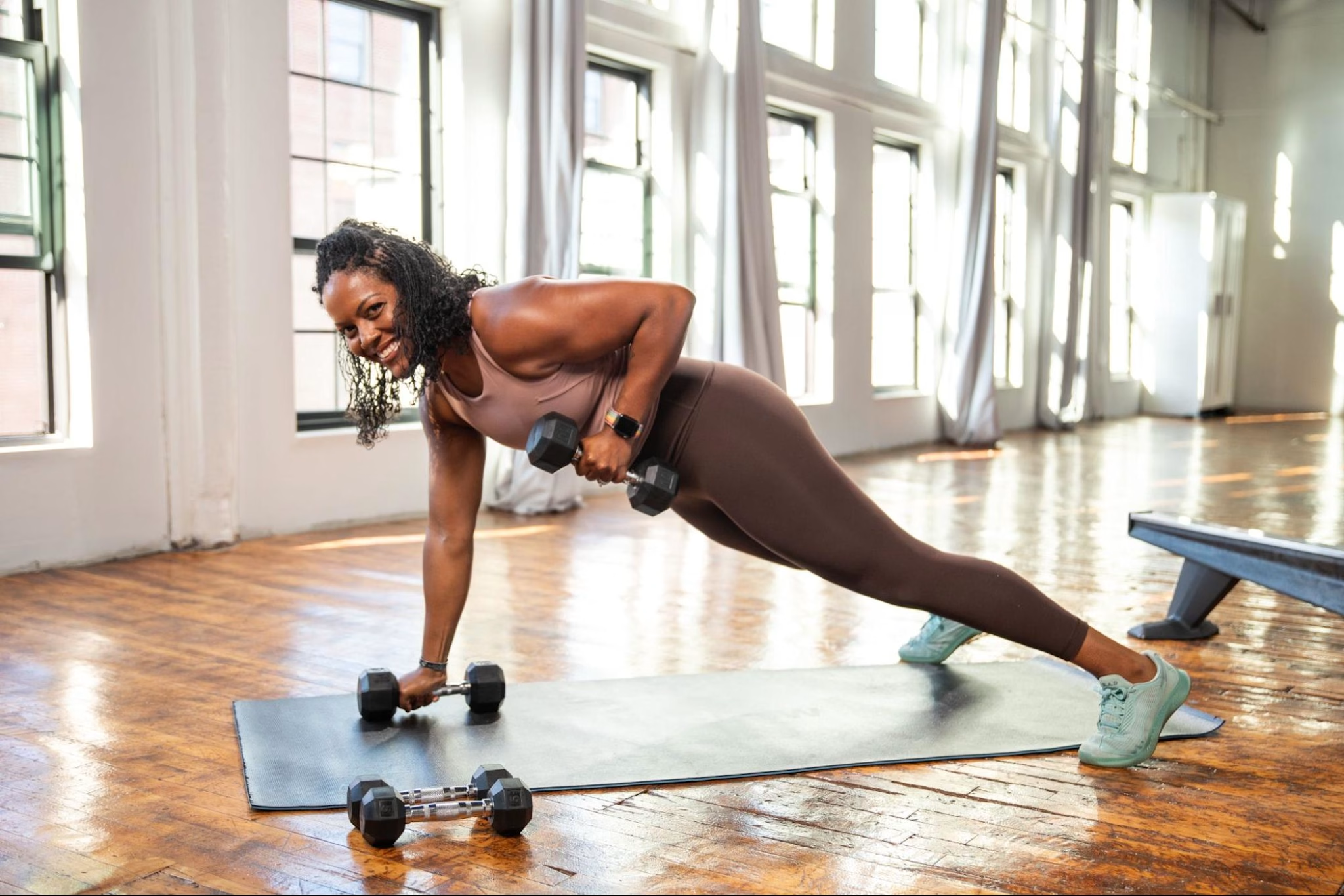
High-Intensity Interval Training, commonly known as HIIT, has become one of the most popular and effective workout methods across the world. From professional athletes to busy professionals seeking quick results, HIIT offers an efficient way to improve fitness, burn fat, and boost overall health with minimal time commitment. Unlike traditional steady-state cardio, HIIT relies on short bursts of intense effort followed by brief recovery periods. This training method challenges the body in a way that produces dramatic physiological improvements, making it ideal for modern lifestyles that demand results in less time.
In essence, HIIT is designed to push your heart rate to its maximum capacity during the intense phases, forcing the body to adapt, burn calories rapidly, and continue burning fat long after the workout is finished. This unique afterburn effect—scientifically known as excess post-exercise oxygen consumption (EPOC)—is one of the key reasons HIIT has gained global popularity.
What Makes HIIT Different?
What sets HIIT apart from traditional workouts is its structure. Instead of performing exercises at a steady pace for long durations, HIIT alternates between high-energy intervals and low-intensity recovery. For example, a 30-second sprint followed by 30 seconds of slow jogging or rest. This pattern increases cardiovascular demand and forces the muscles to work harder in short bursts.
HIIT sessions are typically shorter, lasting anywhere from 10 to 30 minutes, yet they can deliver the same—if not better—results than longer workouts. The reason is simple: HIIT elevates the heart rate quickly and keeps it elevated longer, which increases calorie burn and boosts metabolism.
Another key advantage is versatility. HIIT routines can be adapted for beginners or advanced athletes, performed indoors or outdoors, and incorporated with bodyweight exercises, cycling, running, swimming, boxing, or even gym machines. This makes HIIT accessible to anyone, regardless of fitness level or equipment availability.
How HIIT Works on the Body
HIIT has both immediate and long-term effects on the body. During the intense part of the workout, the body is pushed to its limit, using both anaerobic and aerobic energy systems. The anaerobic system fuels short bursts of energy without requiring oxygen, while the aerobic system supports longer-duration activities.
When these systems are trained simultaneously, several benefits occur:
1. Improved Cardiovascular Fitness
HIIT strengthens the heart by forcing it to pump more efficiently during high-intensity intervals. Studies show that HIIT can increase VO₂ max—the maximum amount of oxygen your body can use—faster than traditional cardio. Higher VO₂ max levels are associated with better endurance and overall health.
2. Increased Fat Burning
Because HIIT elevates metabolism for hours after the workout, it boosts fat loss even while the body is at rest. This happens due to the afterburn effect, where the body consumes more oxygen and energy to return to normal levels after the session.
3. Muscle Building and Toning
The explosive movements commonly used in HIIT—such as burpees, jump squats, sprints, and push-ups—activate multiple muscle groups simultaneously. This not only helps burn fat but also improves muscle tone and strength.
4. Enhanced Insulin Sensitivity
HIIT has a powerful impact on blood sugar regulation. It improves insulin sensitivity, meaning the body can process glucose more efficiently. This makes HIIT beneficial for individuals at risk of type 2 diabetes.
5. Time Efficiency
A major reason people skip exercise is lack of time. HIIT solves this problem by condensing a powerful, calorie-burning workout into a short period. Even a 15-minute HIIT session can deliver impressive results.
Types of HIIT Workouts
HIIT can take many forms, allowing individuals to choose what best suits their goals. Some common types include:
1. Tabata
A highly structured HIIT protocol: 20 seconds of intense effort followed by 10 seconds of rest, repeated for 8 rounds. A full Tabata workout lasts only 4 minutes but is extremely challenging.
2. Circuit HIIT
This involves rotating through multiple exercises—like squats, jumping jacks, and mountain climbers—with little to no rest in between.
3. Sprint Intervals
Ideal for runners, cyclists, or swimmers. Example: 30 seconds of sprinting, 60 seconds of slow pace, repeated several times.
4. Bodyweight HIIT
A combination of bodyweight exercises that target the whole body—perfect for home workouts without equipment.
Read Also: The Race to 300 mph: Will Hennessey or Koenigsegg Break the Speed Record in 2025?
A Sample 15-Minute HIIT Routine
Here is a simple routine suitable for beginners and intermediate exercisers:
-
Warm-up (2 minutes)
Light jogging, arm circles, and stretching. -
Round 1 (3 minutes)
-
30 seconds: Jumping jacks
-
30 seconds: Rest
-
Repeat 3 times
-
-
Round 2 (4 minutes)
-
30 seconds: Squat jumps
-
30 seconds: Rest
-
Repeat 4 times
-
-
Round 3 (4 minutes)
-
20 seconds: Burpees
-
40 seconds: Rest
-
Repeat 4 times
-
-
Cool down (2 minutes)
Slow walking and deep breathing
This routine covers full-body movement, boosts the heart rate, and can burn significant calories in a short timeframe.
Safety Tips for HIIT
Although HIIT offers amazing benefits, it must be approached with caution—especially for beginners. Here are essential tips:
-
Always warm up to prepare muscles and reduce the risk of injury.
-
Start with short intervals and gradually increase intensity.
-
Listen to your body; avoid pushing beyond your limits.
-
Maintain proper form to prevent joint or muscle injuries.
-
Stay hydrated and allow adequate recovery between sessions.
Most fitness trainers recommend doing HIIT 2–3 times per week to allow the body to recover.
Who Should Avoid HIIT?
While HIIT is safe for many people, individuals with heart conditions, high blood pressure, or chronic injuries should consult a doctor before starting. Pregnant women and older adults may need modified versions with lower intensity.
Watch Also: https://www.youtube.com/@TravelsofTheWorld24









Leave a Reply