
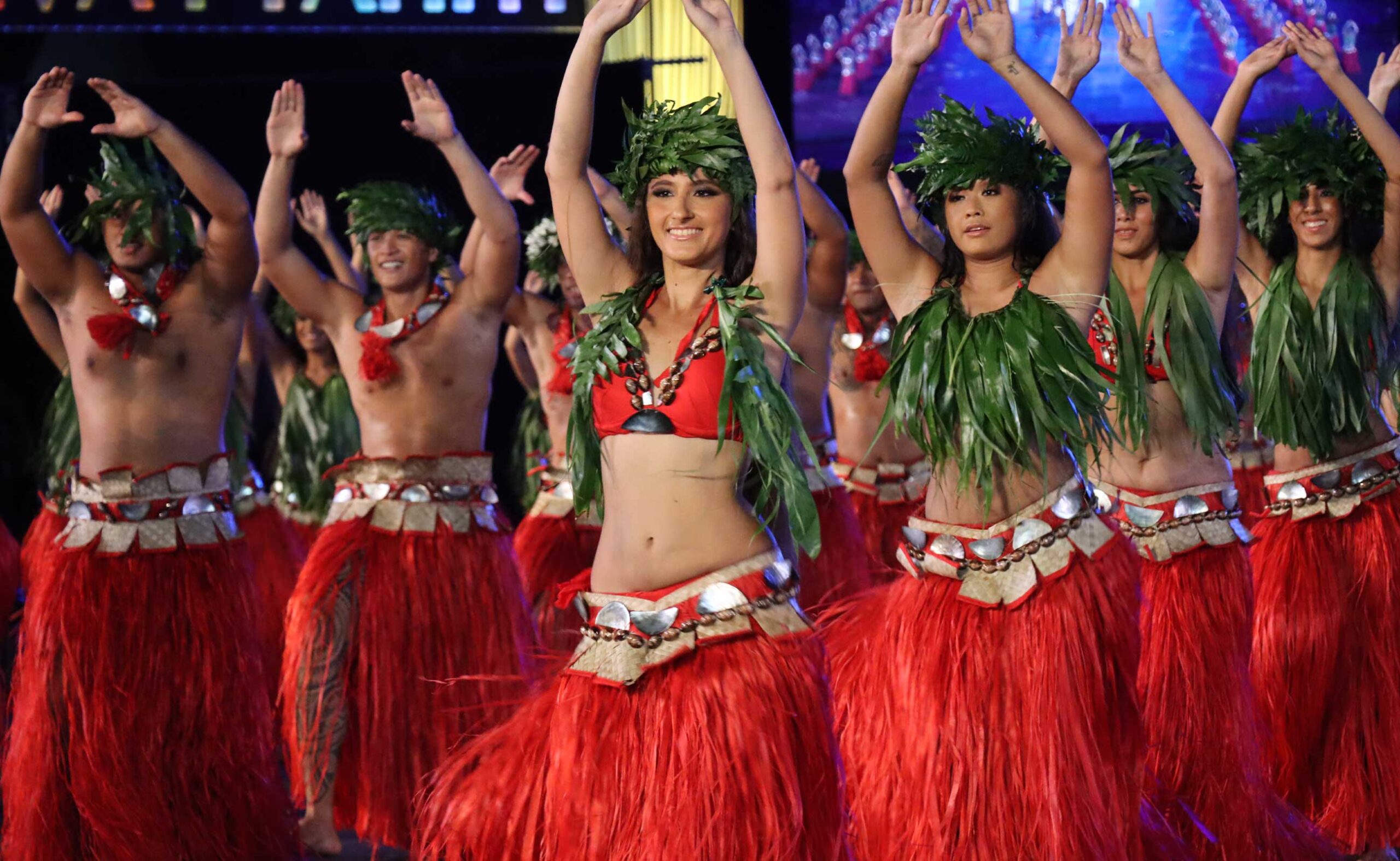
Ori Tahiti, the traditional dance of Tahiti, is one of the most captivating art forms of the Pacific. Known for its fast hip movements, expressive storytelling, and vibrant costumes, it has become a global symbol of Polynesian culture. Yet, Ori Tahiti is often misunderstood as simply an exotic performance meant for entertainment. In reality, it is far more meaningful. It is a living cultural language, a system of identity, a spiritual expression, and a bridge connecting modern Tahitians to their ancestral heritage. To understand Ori Tahiti is to understand the heart of French Polynesia.
A Cultural Heritage Rooted in History
The origins of Ori Tahiti go back centuries, long before European contact. Dance played a central role in Polynesian societies, acting as a method of communication, an expression of emotions, and a form of storytelling. In the absence of written language, Tahitian ancestors relied heavily on music, chants, and dance to preserve their history. Through dance, they narrated legends of gods and goddesses, recorded major events, and passed down genealogies.
However, the arrival of Christian missionaries in the 19th century drastically changed the course of Tahitian dance. Many forms of Ori Tahiti were banned, considered too expressive or pagan. Costumes were replaced with more modest attire, and dances lost much of their ceremonial importance. It was not until the 20th century that Tahitians began reviving their cultural expressions. Today, Ori Tahiti stands proudly as a reclaimed art form, symbolizing the resilience and revival of indigenous Polynesian culture.
More Than Movement: A Language of Expression
At its core, Ori Tahiti is a language. Every hip motion, hand gesture, and formation has meaning. It can communicate joy, love, sadness, war, the ocean, the wind, or significant moments in life. For example, circular hand movements may represent waves, while swift hip movements mimic the rhythm of nature or the beating of the heart.
Unlike many Western dance forms that prioritize individual skill, Ori Tahiti emphasizes connection—between dancers, musicians, the audience, and the ancestral world. When a dancer performs, they are not just presenting choreography; they are transmitting stories and values that have been held for generations. The dance becomes a woven thread linking the past, present, and future of Tahitian identity.
https://www.youtube.com/shorts/AjL5QrTkfyk
Costumes That Tell Stories
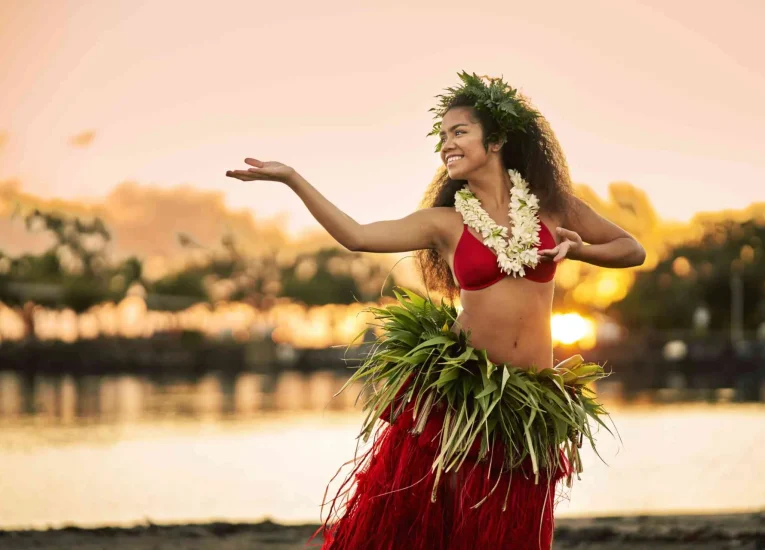
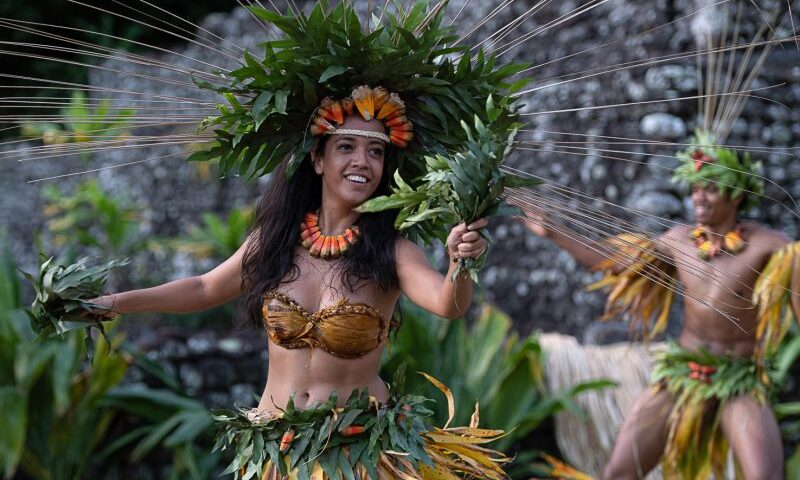
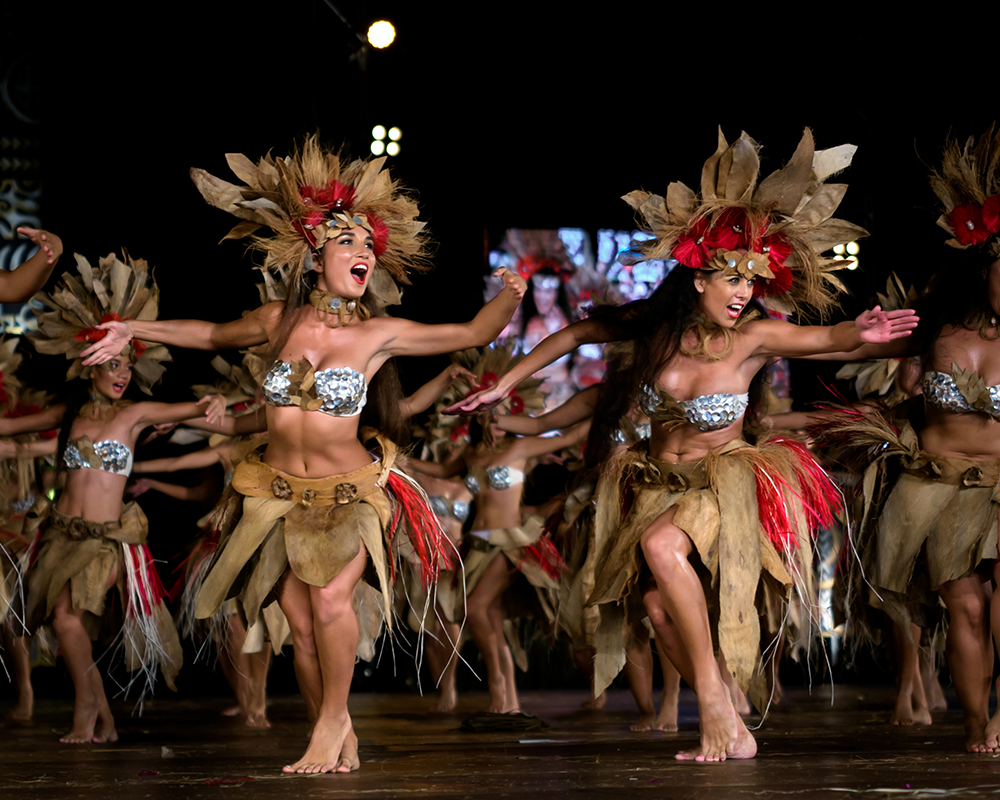
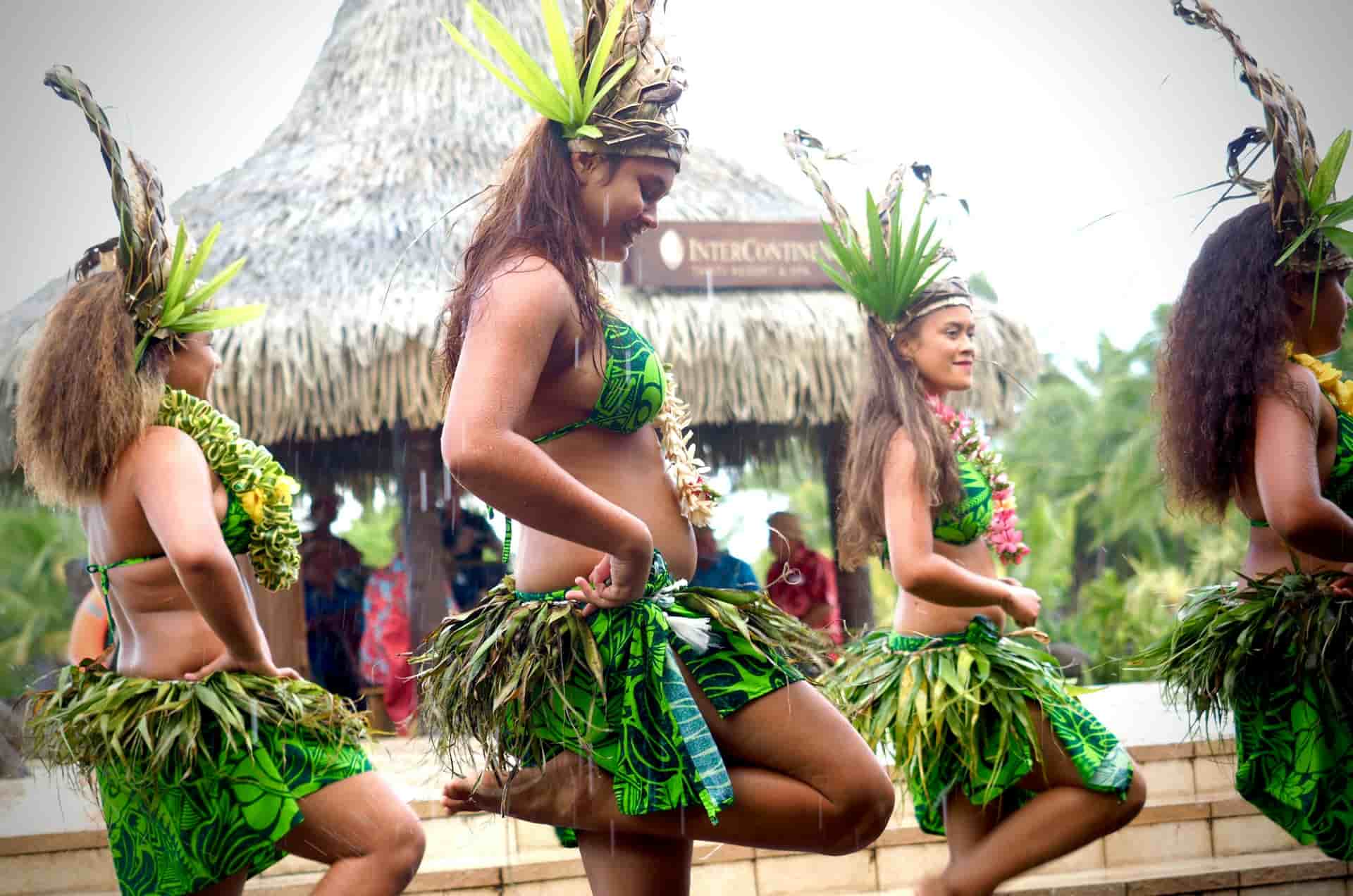
The beauty of Ori Tahiti is amplified by its traditional costumes, which are more than decorative elements. These costumes are made from natural materials found across the islands—pandanus leaves, coconut fibers, shells, feathers, and fresh flowers. Each piece has symbolic meaning.
-
More skirts made from strips of plant fiber create the iconic shaking motion during fast dances.
-
Hei (flower crowns) and tiare blossoms symbolize purity and connection to nature.
-
Feather ornaments reflect rank, beauty, or themes related to birds and freedom.
Creating these costumes is an art in itself. Families and communities often gather to weave and assemble outfits, turning the preparation process into a cultural celebration. This collective effort reinforces the idea that Ori Tahiti belongs to everyone, not just performers.
The Power of the Drums
No discussion of Ori Tahiti is complete without mentioning the drums. The heartbeat of the dance comes from traditional instruments such as:
-
To’ere – a wooden slit drum with a sharp, piercing sound.
-
Pahu – a large drum made from sharkskin.
-
Fa’atete – a smaller drum with rapid rhythms.
The drummers are storytellers too. Their rhythms signal when dancers should accelerate, pause, or transition. They build intensity during dramatic moments and soften the beat during emotional sequences. The synergy between dancers and drummers is essential—together they create a single living performance.
A Showcase of Identity and Pride
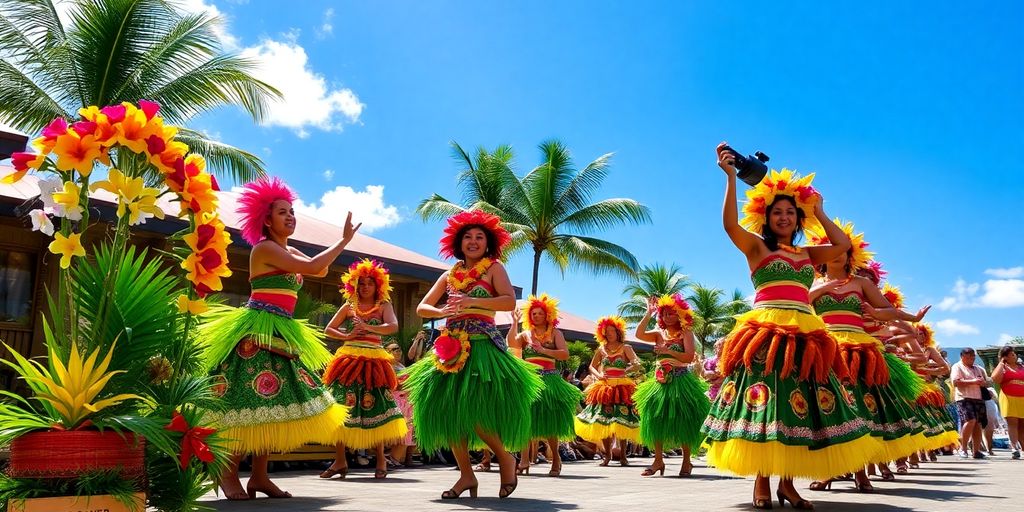
For Tahitians, Ori Tahiti is part of daily life. It is performed at celebrations, weddings, community gatherings, religious ceremonies, and national festivals. But its most significant platform is the Heiva i Tahiti, one of the oldest cultural festivals in the Pacific. Each year, dance groups from across the islands compete in a spectacular showcase of choreography, costumes, and creativity. The dancers rehearse for months, preparing pieces deeply rooted in legends or historical events.
Heiva is more than a competition; it is an expression of Tahitian identity. It honors the ancestors, celebrates unity, and brings the community together through cultural pride. For many young dancers, participating in Heiva is a rite of passage that strengthens their connection to heritage.
A Global Art Form
While Ori Tahiti is deeply traditional, it has also become a global phenomenon. Dance schools around the world—from Japan to Mexico and Europe—teach Tahitian dance to thousands of students. Many international performers travel to Tahiti to learn from local masters, participate in workshops, and experience the culture firsthand.
This global spread has encouraged creativity and diversity. Fusion styles combine Ori Tahiti with contemporary dance, Latin rhythms, or modern music. Yet, the challenge remains to preserve authenticity while allowing natural evolution. Tahitian cultural leaders emphasize the importance of respecting origins and understanding the meaning behind movements—not just copying steps.
Healing and Empowerment Through Dance
Beyond cultural significance, many people experience Ori Tahiti as a form of therapy. The energetic hip movements strengthen the body, while the expressive gestures help release emotions. The connection to drums and nature provides a grounding effect, reducing stress and enhancing emotional balance.
For many women, Ori Tahiti is empowering. It celebrates natural movements of the body, confidence, beauty, and feminine strength. For men, the dance provides a space to express power, agility, and warrior spirit. Children learn teamwork, discipline, and pride in their roots.
A Cultural Legacy That Continues to Grow
Ori Tahiti is not frozen in time; it continues to adapt and thrive. New choreographers reinterpret ancient stories, musicians innovate rhythms, and costume designers reinvent traditional materials with modern creativity. This balance of preservation and evolution keeps the tradition alive.
In the end, Ori Tahiti is much more than just a dance. It is a heartbeat, a language, a teacher, and a symbol of cultural survival. It carries the stories of the ancestors while inspiring future generations. Through every movement, Tahitians express who they are—and invite the world to feel the spirit of their islands.
Read Also: Keep your face towards the sunshine and shadows will fall behind you
Watch Also: https://www.youtube.com/@TravelsofTheWorld24




Leave a Reply