
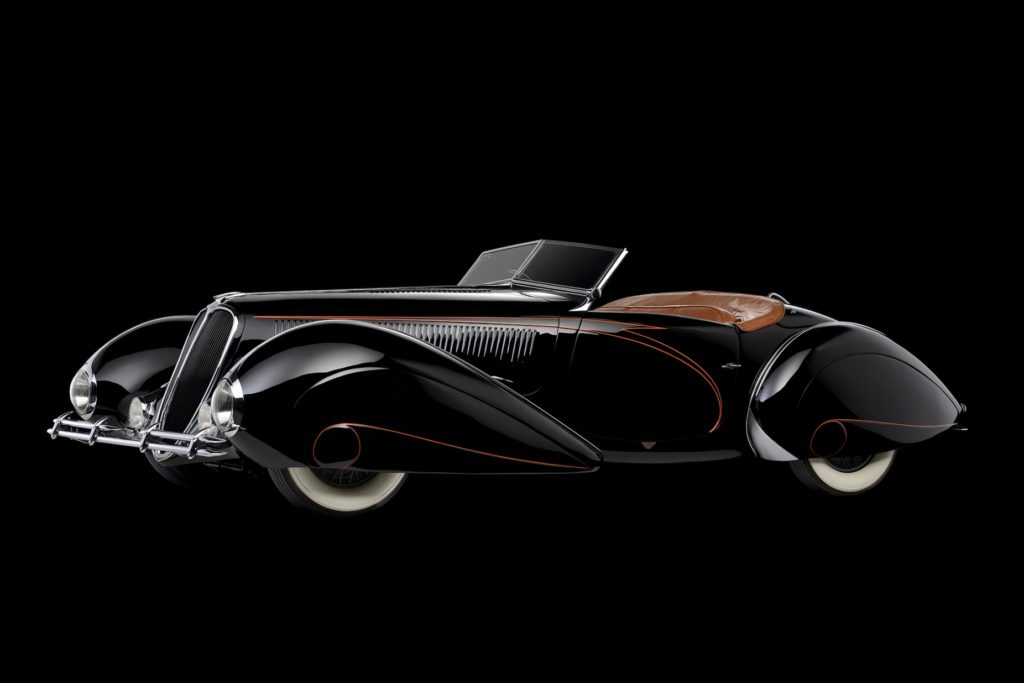
The exhibition “Rolling Sculpture: Art Deco Cars from the 1930s and ’40s” at the North Carolina Museum of Art presents one of the most captivating intersections of art and engineering. Celebrating an era when automobiles were not merely machines but mobile works of art, the exhibition invites visitors to step back into a golden age of design. The 1930s and 1940s were decades defined by glamour, innovation, and bold creativity, shaped by the Art Deco movement—a style known for its elegance, geometry, and futuristic ambition. Through carefully curated automobiles and period artifacts, the exhibit showcases how car designers of the era embraced Art Deco’s sophisticated visual language, transforming everyday transportation into breathtaking sculpture.
A Celebration of Art Deco
Art Deco began in the 1920s and flourished through the 1940s, influencing architecture, fashion, graphic arts, and industrial design. Defined by streamlined forms, geometric symmetry, and lavish ornamentation, the movement conveyed luxury and modernity. Automobiles became a natural canvas for these concepts. As car manufacturers and coachbuilders pushed boundaries, vehicles became symbols of status and style, expressing the optimism and technological excitement of the time.
The North Carolina Museum of Art’s exhibition pays tribute to this artistic movement by presenting automobiles not as engineering feats alone, but as cultural artifacts that embody the elegance and aspirations of their era.
The Automobile as Sculpture
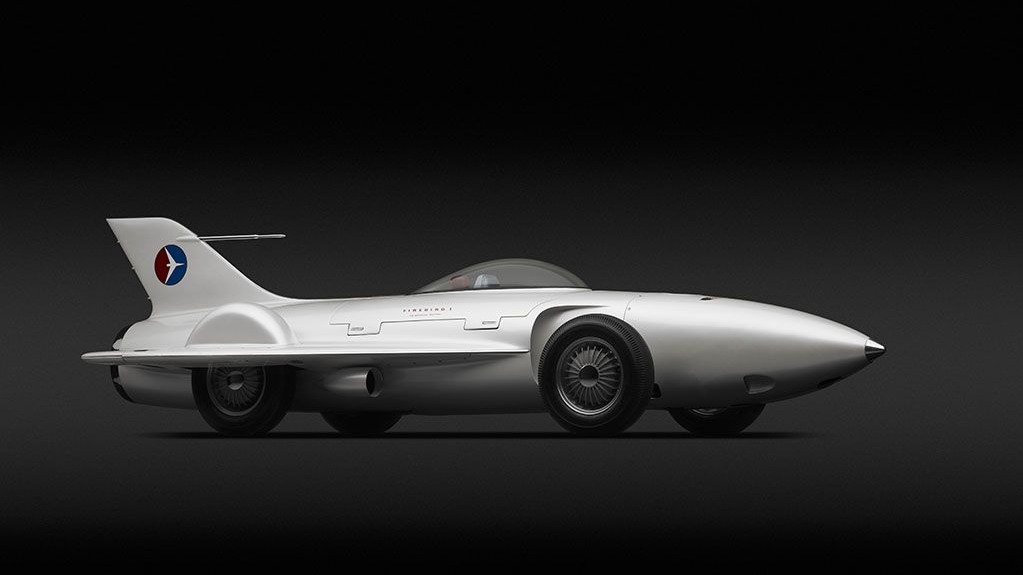
One of the exhibition’s core themes is the idea that cars can be understood as sculpture—objects shaped with artistic intention. The vehicles featured from the 1930s and ’40s exemplify this philosophy. Their sweeping lines, elongated hoods, tapered tails, and chrome accents reflect a balance of beauty and aerodynamics.
Designers of the period were pioneers in integrating form and function. They experimented with new materials like aluminum and steel, adopting stylized shapes inspired by aviation, speed, and progress. The result was a unique marriage of engineering advancements and aesthetic refinement, perfectly captured in the vehicles on display at the museum.
Highlight Cars Featured in the Exhibition
While the specific lineup varies depending on loaned collections, “Rolling Sculpture” typically includes some of the most iconic Art Deco automobiles ever built. These cars represent different manufacturers and coachbuilders from Europe and America, each contributing to the distinctive look of the era.
1. 1936 Stout Scarab
Often considered the first minivan, the Stout Scarab featured a futuristic, streamlined body unlike anything else of its time. With its smooth curves, aircraft-inspired design, and spacious interior, the Scarab showcased the Art Deco fascination with efficiency and innovation.
2. 1935 Bugatti Type 57SC Atlantic
Widely regarded as one of the most beautiful cars ever made, the Type 57SC Atlantic is a masterpiece of French coachbuilding. Its teardrop shape, exposed rivets, and luxurious detailing embody the spirit of Art Deco perfection. Few cars represent the combination of performance and sculpture as powerfully as this Bugatti.
3. 1940 Chrysler Thunderbolt
This concept car featured a fully electric retractable hardtop—an engineering marvel for its time. Its long, fluid body lines and minimal ornamentation highlighted the modernist direction of late Art Deco design, emphasizing smooth surfaces and aerodynamic efficiency.
4. 1934 Voisin C-25 Aerodyne
Created by French aviation pioneer Gabriel Voisin, the Aerodyne’s sleek body and retractable sunroof demonstrated a bold union of advanced engineering and luxurious design. With an emphasis on geometry and symmetry, it fits seamlessly into the exhibition’s theme.
5. 1937 Delahaye 135MS Figoni et Falaschi Roadster
Known for extravagant curves and dramatic fenders, the Delahaye roadster showcases the glamorous side of Art Deco. This car appears almost fluid, with sweeping chrome accents and an elegant profile that evoke movement even when standing still.
These vehicles, among others in the exhibition, illustrate the extraordinary range and artistic imagination of the period.
Design Themes Reflected in the Cars
The exhibition deepens visitors’ appreciation by highlighting the underlying artistic principles that define the Art Deco automobile:
Streamlining
The 1930s introduced a fascination with speed and aerodynamics. Long, low silhouettes and tapered forms dominated the era as designers strove to reduce drag and enhance efficiency. Even luxury cars adopted the aesthetic of motion.
Geometric Shapes
Sharp angles, parallel lines, zigzags, and stepped patterns often appeared in detailing and interior finishes. These motifs linked the cars to the broader Art Deco design world.
Use of Chrome
Chrome trim became a visual signature of the period, used to accentuate curves and edges. It provided a luxurious sheen and contrasted beautifully with rich paint colors.
Innovative Materials
Advances in metallurgy and manufacturing allowed for the creation of more expressive body shapes. Aluminum panels, curved glass, and lightweight steel supported more daring designs.
Aviation Influence
Airplanes inspired everything from pointed noses to tailfins and smooth, aerodynamic surfaces. The Art Deco era was captivated by flight and speed, and automobile design embraced that fascination.
The 1930s and ’40s: A Context of Change
The cars in “Rolling Sculpture” reflect not only artistic trends but also the social and economic shifts of their time. The early 1930s were marked by the Great Depression, yet luxury carmakers continued producing vehicles that represented hope, craftsmanship, and dreams of a brighter future. These automobiles symbolized resilience, innovation, and the drive to move forward.
The 1940s brought World War II, interrupting car production and shifting industrial resources toward military needs. Yet the designs created before the war influenced the automotive world for decades to come. The vehicles in the exhibition thus stand as historic artifacts, representing both the triumph and turbulence of their era.
The Museum Experience
The North Carolina Museum of Art elevates the experience by presenting the cars in a gallery-style setting with dramatic lighting, reflective floors, and placards detailing each vehicle’s history. Visitors move among the cars as if walking through a sculpture exhibition—not a traditional automotive show. This artistic framing underscores the central message: these were more than machines; they were expressions of creativity and cultural identity.
Complementing the automobiles are period fashion pieces, photographs, original design sketches, and film displays that provide additional context. Together, they create an immersive journey into the visual world of Art Deco.
Conclusion
“Rolling Sculpture: Art Deco Cars from the 1930s and ’40s” at the North Carolina Museum of Art is a stunning celebration of artistry, craftsmanship, and innovation. By treating automobiles as much as works of design as engineering, the exhibition reintroduces visitors to a time when creativity flourished despite global challenges. The cars showcased are reminders of a bold, glamorous era—one defined by elegance, optimism, and the belief that even everyday objects could be transformed into works of art.
Read Also: Keep your face towards the sunshine and shadows will fall behind you
Watch Also: https://www.youtube.com/@TravelsofTheWorld24







Leave a Reply