
“The Art of the Automobile: Masterpieces of the Ralph Lauren Collection” is an exhibition that brings together some of the most exceptional, historically significant and beautifully designed automobiles from the personal collection of Ralph Lauren — the fashion designer turned automotive connoisseur. The exhibition was held at the Musée des Arts Décoratifs in Paris from April 28 to August 28, 2011.
That show was not just a display of rare cars. Rather, it presented automobiles as works of design, engineering, craftsmanship — as moving sculptures, objects of beauty and historical testimony. Through carefully chosen automobiles from different eras, the exhibition traced the evolution of automotive art, performance, and style — turning the car into a medium of cultural and aesthetic memory.
Below, I explore what this exhibition and the underlying collection represent: historically, aesthetically, culturally — and why it matters.
The Collector — Ralph Lauren: Cars as Moving Art
Though best known for his iconic fashion empire, Ralph Lauren developed over decades a deep, personal passion for automobiles. For him, cars were never mere machines — they were “moving art.” As he once said: cars are “like paintings to me — you look at them, but you can also drive them.”
Over time, he assembled what is widely regarded as one of the greatest private car collections in the world — with dozens of rare, historically important, and aesthetically outstanding vehicles.
Yet for Lauren, collecting cars was not about trophy‑holding or status alone. He viewed them as pieces of design history, as artifacts that illustrated the beauty, ingenuity, and evolution of automotive culture across decades. This perspective bridges fashion, design, automobile engineering — and elevates the car to the status of art.
Thus the exhibition becomes more than a display — it becomes a curated gallery, a timeline of craftsmanship, ambition, and style.
What the Exhibition Showed — A Curated History of Automotive Art
Selection of Automobiles: From 1920s to Modern Supercars
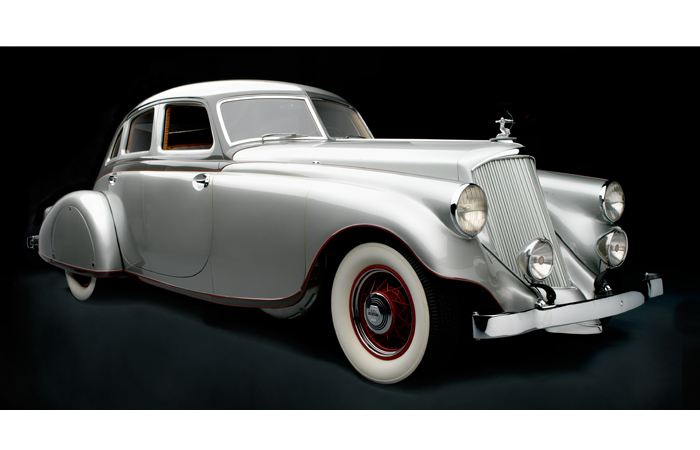
The exhibition featured 17 outstanding cars selected by curator Rodolphe Rapetti, each representing different epochs, design philosophies, and national automotive traditions — from British and French pre‑war classics to Italian sports cars, German engineering, and modern performance vehicles.
Included among the highlights were:
-
A 1929 Bentley 4½ Litre “Blower” — a raw, powerful British brute emblematic of the supercharged racers of the late 1920s.
-
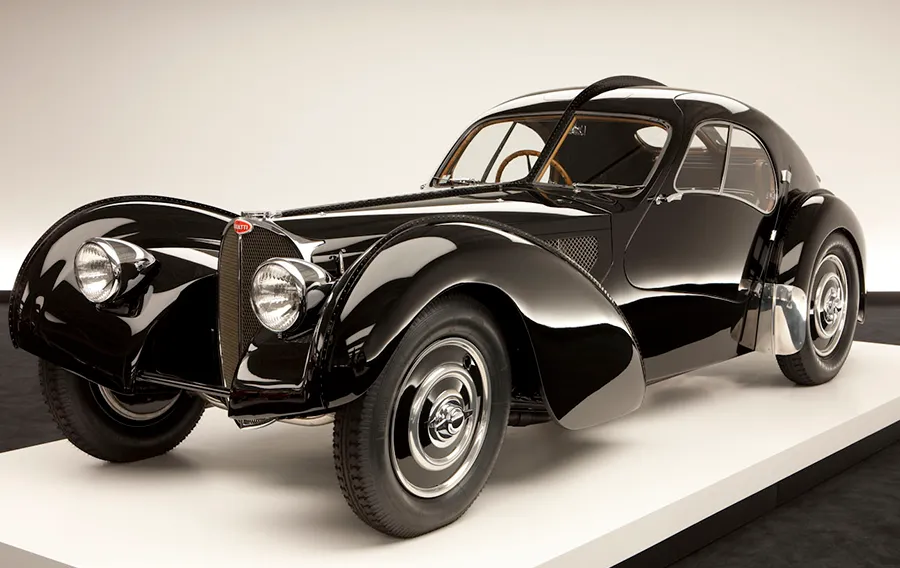
A 1938 Bugatti Type 57SC Atlantic — widely considered one of the most beautiful cars ever built, with its striking Art Deco lines and extreme rarity (only a handful were ever made).
-
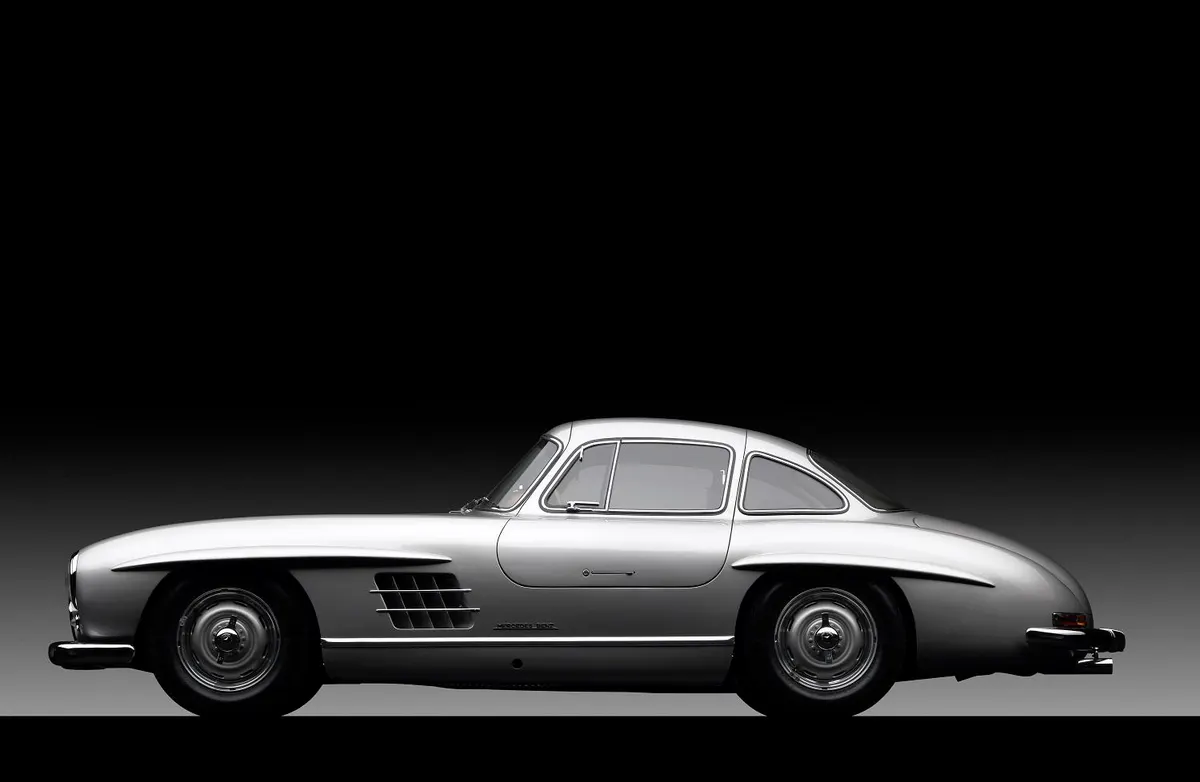
Models like the 1955 Mercedes-Benz 300 SL Gullwing — iconic for its design and engineering, often cited among the earliest genuine “supercars.”
-
A 1955/1950s Jaguar D-Type (also referred to as Jaguar XKD in his collection) — a race‑bred design, sleek, aerodynamic, and born from competition success (notably in Le Mans).
-
Several Italian classics: from Alfa Romeo 8C 2900 Mille Miglia to Ferraris like the Ferrari 250 GTO and the Ferrari 250 Testa Rossa — cars that combine elegance, performance, and racing heritage.
-
Also modern and high-performance cars (relative to the collection’s breadth), showing the transition from classic handcrafted automobiles to contemporary engineering marvels.
Through this array, the exhibition offered visitors a panorama of automotive history — from the earliest supercharged beasts to mid‑century grand tourers to postwar design statements and modern supercars.
Cars as Art — Design, Craftsmanship, and Cultural Memory
Crucially, the exhibition treated these cars not simply as vehicles but as art objects: as expressions of design, of cultural context, of technological ambition, and social history. In curating the show, the organizers asserted that automobiles deserve to be seen as “major art forms” — combining technical achievement with aesthetic beauty.
Each car carried stories: of its designers, its makers, its era. The bent curves of a Bugatti Atlantic told of Art Deco influence; the roar of a Bentley Blower spoke of daring engineering; the sleek lines of a Mercedes 300 SL conveyed post‑war optimism; the race‑bred shape of a Jaguar D-Type reflected aerodynamics, speed, and competitive spirit.
Moreover, by placing such machines in a museum/gallery context — lights, curated arrangement, historical framing — the exhibition elevated their status from functional transport to objects of desire, admiration, and memory. They became part of cultural heritage, testaments to human ingenuity, ambition, and the changing definitions of style and performance.
Significance — Why It Matters
Redefining Cars as Cultural & Artistic Artefacts
Traditionally, cars have been seen as utilitarian machines, mobility tools, or symbols of wealth. But this exhibition challenges that view. By treating automobiles as works of art, it invites us to see them as carriers of design history, cultural identity, technological evolution, and personal expression.
For many, seeing these cars under gallery lights — rather than on road or race track — confirms that they belong to the realm of art, design, and memory. It asks: can a car be beautiful not just because of engine or speed, but because of form, line, presence, and aesthetic — like a sculpture or painting? The exhibition answers: yes.
Preservation of Automotive Heritage & Cultural Memory
By assembling classics from the 1920s to modern times, the exhibition preserves a cross‑section of automotive history. It brings together cars that might otherwise remain scattered in private garages, auctions, or collections — and presents them as part of a shared heritage.
This is crucial especially for pre‑war and mid‑century automobiles, many of which are rare, fragile, or under threat. Exhibitions like this one help archive their significance, document their stories, and share them with people who might never see them on a race track or in a private collection.
Bridging Generations: From Vintage Romance to Modern Performance
The diversity of the collection shows how automobile design and technology evolved — reflecting historical eras, social changes, industrial advances. From manually‑built, supercharged roadsters to sleek post‑war grand tourers, to modern high‑performance vehicles — the exhibition is a living timeline.
For younger generations (who may only know modern supercars), it provides context — showing where design and performance came from, how aesthetics and engineering ideals changed, and why certain shapes and values endure.
Democratizing Beauty — Making the Exotic Accessible Through Museums
Private collections are often inaccessible. But by opening part of his collection to the public — via a museum exhibition — Ralph Lauren allowed enthusiasts, historians, designers, and general public to experience rare automotive art.
This democratization is culturally important: it helps break the idea that such masterpieces are only for the elite. Instead, it frames them as part of collective design heritage — to be admired, studied, remembered.
Representative Highlights — Selected Cars & Their Stories
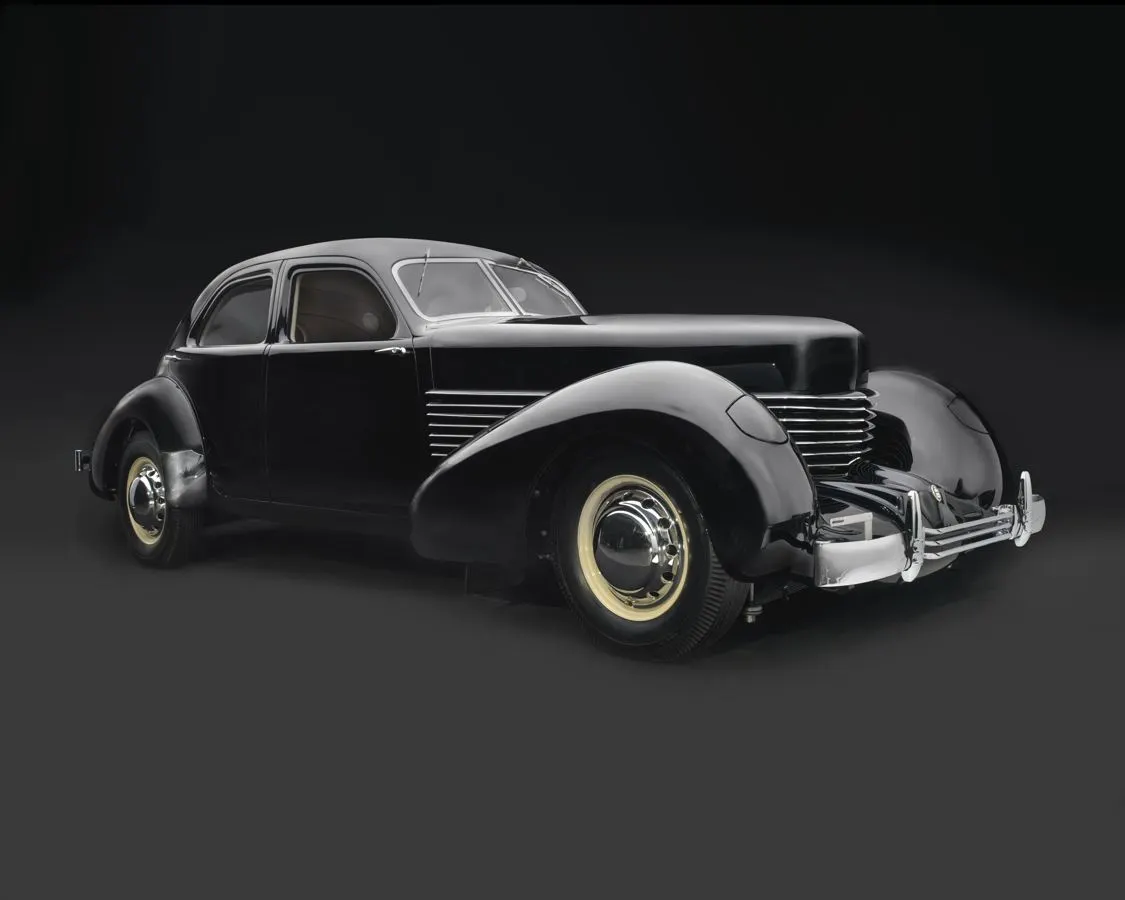
To give a flavor of what “The Art of the Automobile” offered, here are a few exemplary cars and why they stand out:
1938 Bugatti Type 57SC Atlantic Coupe
Often described as “the Mona Lisa of cars,” the Bugatti Atlantic is an icon of Art Deco automotive design: fluid lines, riveted seams, teardrop body shape — a masterpiece of craftsmanship. Only a few were ever built, making it extremely rare and historically priceless.
Bentley 4½ Litre “Blower” (1929)
A raw, powerful pre‑war British racing car — emblematic of an era when speed and superchargers defined performance. It captures the daring spirit of early motorsport, engineering audacity, and the romantic idea of speed in open‑air roadsters.
Mercedes-Benz 300 SL Gullwing (1955)
With its iconic gullwing doors, aerodynamic body, and advanced engineering for the time, this car represents post‑war optimism, elegance, and the shift to combining luxury with performance — a turning point in automotive design history.
Jaguar D‑Type (Jaguar XKD) (mid‑1950s)
A race‑bred machine with sleek lines and advanced aerodynamics, designed for victory in endurance racing (e.g. Le Mans). The D‑Type shows how form and function come together: beauty shaped by performance demands.
Italian Sports Cars — e.g. Alfa Romeo, Ferrari
From early grand tourers to racetrack legends, the Italian entries in the collection embody passion, style, mechanical artistry, and the Mediterranean flair for design. They offer a contrast to British and German engineering — emphasizing emotion, style, and soul as much as performance.
Reflections — What the Exhibition Teaches Us
The Car as a Reflection of Its Time
Each automobile in the exhibition isn’t just a machine — it tells a story about its era: the technological capacities, cultural aspirations, design tastes, and social values. The Bugatti Atlantic evokes 1930s opulence and Art Deco; the Bentley Blower recalls the daring of early motorsport; the Mercedes 300 SL embodies post‑war revival and elegance; the Jaguar D‑Type speaks to racing heritage and mid‑century modernism; the modern supercars show contemporary engineering ambition.
Thus automobiles become more than transportation: they become cultural artifacts — mirrors of human ambition, social history, and aesthetic evolution.
Intersection of Function and Art
One of the chief lessons of the exhibition is that function and beauty need not be mutually exclusive. A car can be powerful, speedy, technologically advanced — and also graceful, beautiful, stylistically refined. The exhibition challenges the idea that utilitarian design must sacrifice aesthetics.
This intersection transforms the car from “object of utility” to “object of contemplation” — something to appreciate not just for what it does, but for what it says about design, craft, and human aspiration.
Memory, Preservation, and Accessibility
By curating these cars in a museum context, and by making them accessible to the public, the exhibition participates in preserving automotive heritage — not just mechanically but culturally. It preserves design memory, engineering milestones, and stories of craft and ambition.
Moreover, it makes these rarities accessible: for people who might never attend vintage races or visit private garages. It democratizes access to history and beauty — giving car lovers, designers, historians, and curious visitors a chance to connect with automotive heritage.
Inspiring Future Design & Appreciation
For designers, engineers, and younger generations, seeing these cars under a museum spotlight can be a source of inspiration. It shows what human creativity, passion, and design aspiration can build — beyond trends or industrial constraints. It encourages respect for craft, appreciation for the past, and vision for future possibilities.
Conclusion — “The Art of the Automobile” as Cultural Statement
“The Art of the Automobile: Masterpieces of the Ralph Lauren Collection” is more than just a car exhibition. It is a cultural statement — a declaration that automobiles belong to the realm of art, design, and heritage; that cars reflect human creativity, history, and aspiration; that engineering and aesthetics, speed and beauty, performance and style can intertwine and produce objects worthy of admiration, preservation, and memory.
By bringing together masterpieces from varied eras, national schools, and design philosophies, the exhibition offered a panoramic vision: of where automobiles came from; how they evolved; how they shaped — and were shaped by — cultural, social, and technological changes. It invited viewers to appreciate not just horsepower or top speed, but lines, curves, materials, craftsmanship — the intangible qualities that elevate a machine into art.
In the hands of a collector like Ralph Lauren — someone deeply attuned to design, aesthetics, and cultural meaning — cars become more than possessions: they become vessels of memory, symbols of human ambition, and bridges between past, present, and future.
For anyone interested in cars, design, history, or art — the exhibition stands as a powerful reminder: that beauty is not limited to canvas or marble — it can ride on wheels, roar on roads, and still belong to the world of art and memory.
Read Also: Keep your face towards the sunshine and shadows will fall behind you
Watch Also: https://www.youtube.com/@TravelsofTheWorld24








Leave a Reply