

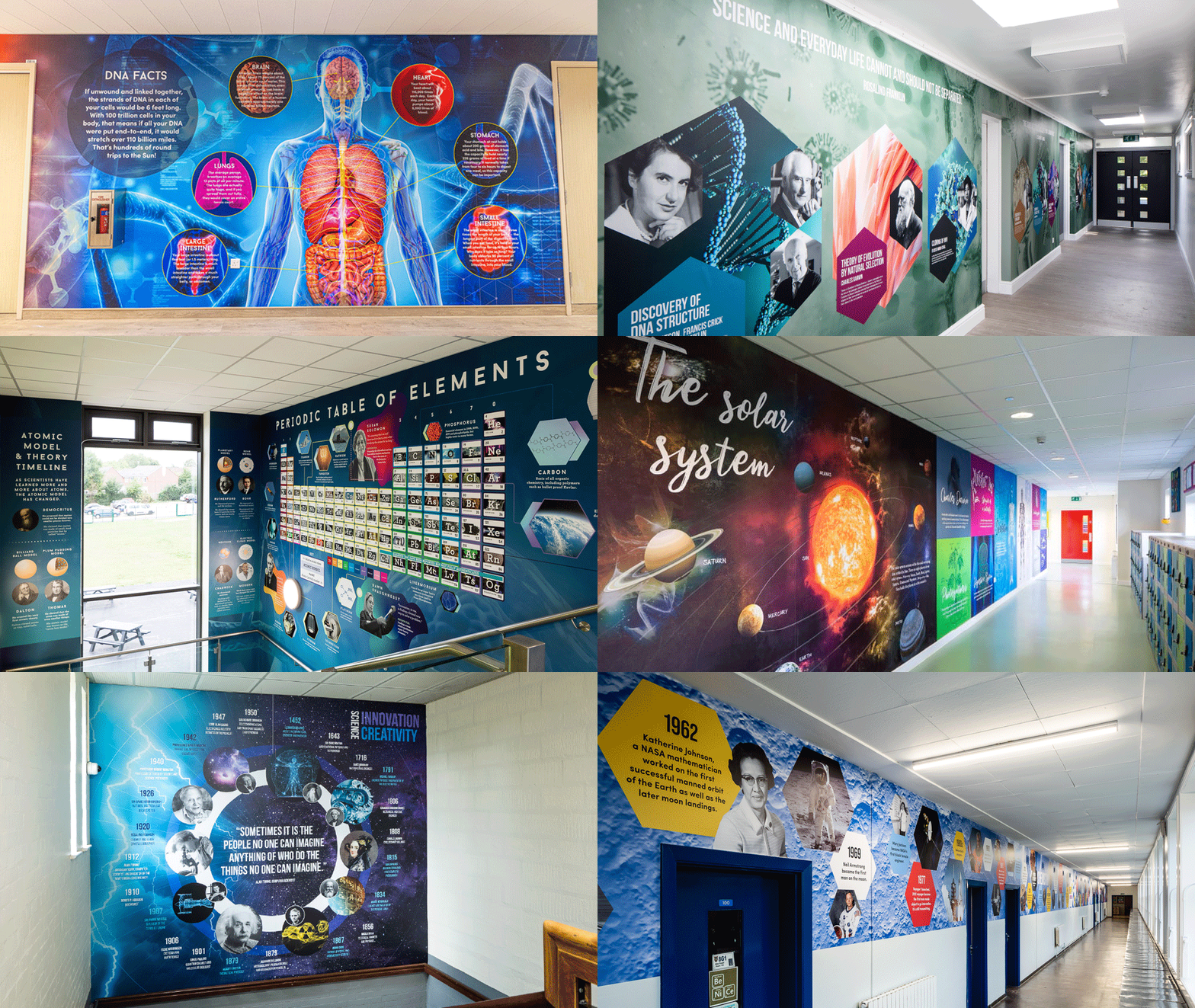
School walls are more than just structural boundaries—they can be gateways to creativity, curiosity, and learning. Science wall displays transform ordinary corridors and classrooms into interactive, educational, and visually engaging spaces. These displays not only beautify the school environment but also reinforce scientific concepts, spark curiosity, and motivate students to explore STEM subjects.
This article highlights five stunning science wall display ideas for schools that combine educational content with artistic appeal, helping students engage with science in a meaningful way.
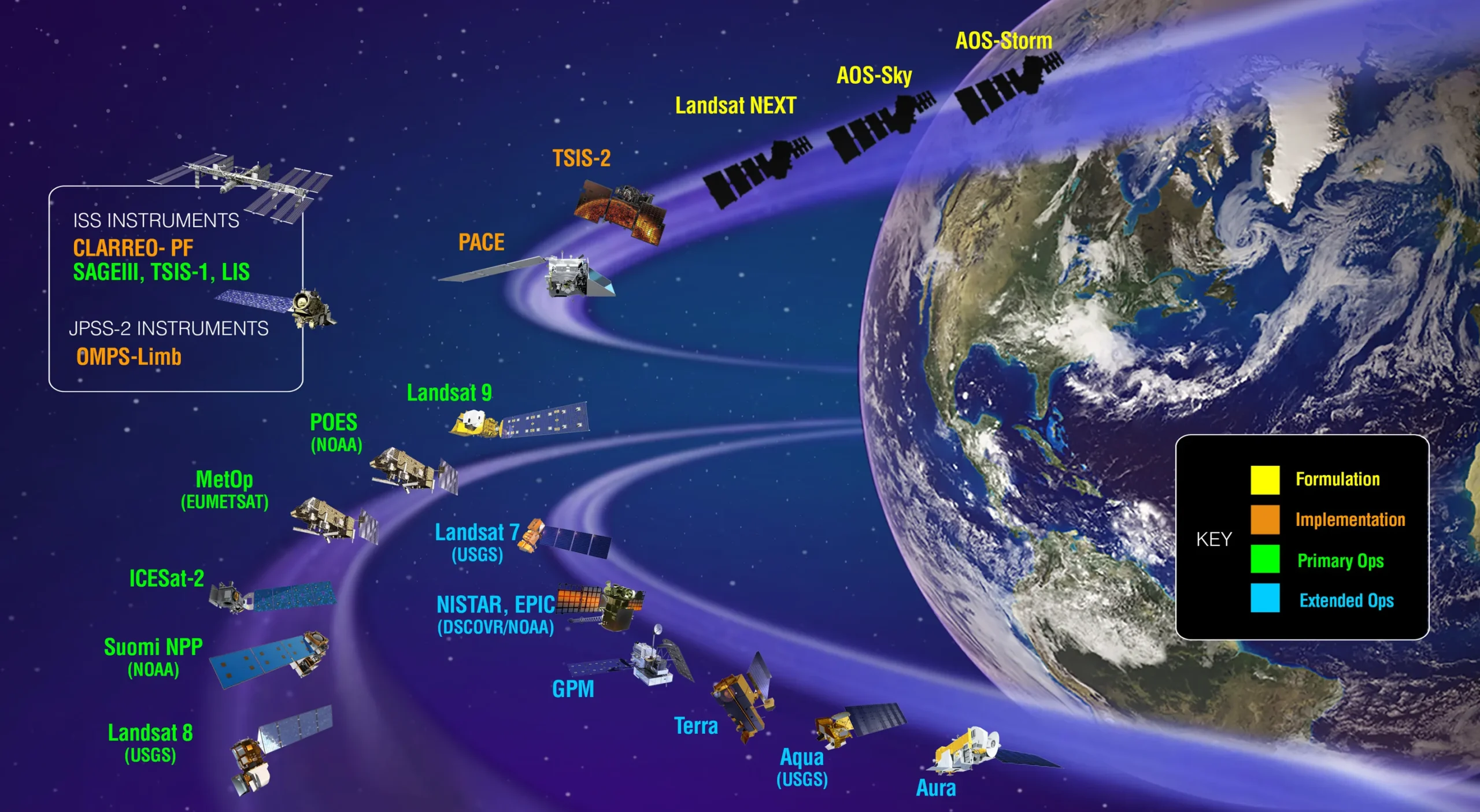
1. The Solar System and Space Exploration Display
Space-themed wall displays are always a crowd-pleaser, capturing students’ imagination while teaching them about astronomy.
Design Elements:
-
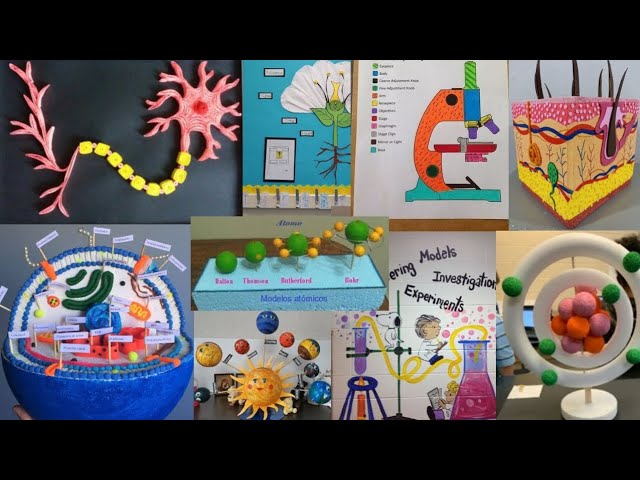
Planets and Stars: Create 3D models of planets, the sun, moons, and asteroids using clay, foam, or cardboard.
-
Orbits and Distances: Illustrate orbital paths and relative distances between celestial bodies.
-
Astronauts and Space Missions: Include images and facts about astronauts, rockets, and historic missions like Apollo 11.
-
Interactive Elements: Add flaps or QR codes that link to videos of space phenomena.
Learning Outcomes:
-
Understanding the structure of the solar system.
-
Learning about planet characteristics, orbital patterns, and space exploration history.
-
Encouraging curiosity about astrophysics and space science.
Tips for Implementation:
-
Use glow-in-the-dark paint for stars and planets to create a visually striking effect.
-
Incorporate student contributions by allowing them to create models of their favorite planets.
-
Use hanging displays from the ceiling for a dynamic, 3D effect.
2. Human Anatomy and Biology Wall
A biology-themed wall display helps students visualize the complexity and beauty of the human body.
Design Elements:
-
Body Systems: Illustrate skeletal, muscular, circulatory, respiratory, and digestive systems using large diagrams or 3D models.
-
Organs: Include tactile 3D models of the heart, lungs, and brain to enhance interactive learning.
-
Microbiology: Display enlarged illustrations of cells, bacteria, and viruses.
-
Healthy Lifestyle Tips: Add elements related to nutrition, exercise, and hygiene to encourage real-world applications.
Learning Outcomes:
-
Better understanding of human anatomy and body functions.
-
Awareness of health, hygiene, and nutrition.
-
Engagement with microscopic life forms and cellular biology.
Tips for Implementation:
-
Color-code different systems for easier identification and memorization.
-
Use removable parts or layered illustrations to demonstrate how organs work together.
-
Include labeled diagrams that allow students to test their knowledge.
 3. Environmental Science and Sustainability Wall
Teaching students about the environment is crucial, and an interactive sustainability display can make the topic engaging.
Design Elements:
-
Ecosystems: Depict forests, oceans, deserts, and wetlands, highlighting flora and fauna.
-
Food Chains and Webs: Show predator-prey relationships and energy flow in ecosystems.
-
Pollution and Conservation: Illustrate the effects of pollution, recycling, and renewable energy sources like solar and wind power.
-
Interactive Features: Add movable parts, such as sliding panels to compare polluted vs. clean environments.
Learning Outcomes:
-
Understanding ecosystems, biodiversity, and human impact on the environment.
-
Learning about conservation, recycling, and sustainable practices.
-
Developing environmental awareness and responsibility.
Tips for Implementation:
-
Incorporate natural materials like leaves, sand, or small pebbles for texture.
-
Use recycled materials for interactive elements to reinforce sustainability messages.
-
Include student-created artwork of endangered species or sustainable energy projects.
4. Chemistry and Periodic Table Wall
A chemistry-themed display can turn a wall into an inspiring learning hub full of colors, patterns, and scientific knowledge.
Design Elements:
-
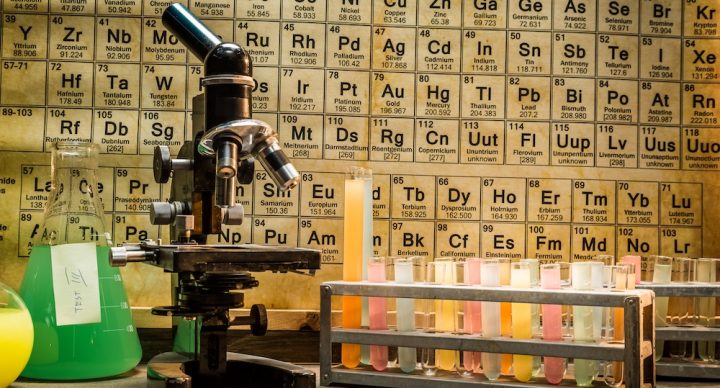
Periodic Table: Create a large, colorful version with element symbols, atomic numbers, and categories (metals, nonmetals, noble gases).
-
Molecular Structures: Illustrate iconic molecules like water, caffeine, DNA, and glucose.
-
Chemical Reactions: Depict combustion, crystallization, and acid-base reactions using artistic representations.
-
Famous Chemists: Include portraits and achievements of chemists such as Marie Curie, Dmitri Mendeleev, and Linus Pauling.
Learning Outcomes:
-
Understanding the organization and properties of elements.
-
Learning about molecular structures and chemical processes.
-
Inspiring interest in chemistry through visually appealing art.
Tips for Implementation:
-
Use 3D models or magnetic elements for interactive exploration of molecular structures.
-
Incorporate QR codes linking to videos or simulations of reactions.
-
Color-code element groups for easy reference.
 5. Physics and Technology Wall
Physics-themed displays help students visualize concepts like motion, energy, and electricity in an interactive and engaging manner.
Design Elements:
-
Forces and Motion: Illustrate Newton’s laws, acceleration, friction, and gravity using diagrams and models.
-
Electricity and Magnetism: Display circuits, magnets, and electric fields with visual and interactive elements.
-
Energy Sources: Highlight renewable and non-renewable energy, demonstrating potential and kinetic energy through diagrams and models.
-
Innovations and Inventions: Showcase historical inventions like the light bulb, telegraph, or steam engine.
Learning Outcomes:
-
Understanding basic principles of physics and mechanics.
-
Developing awareness of energy types and applications.
-
Encouraging curiosity about technological innovation and scientific progress.
Tips for Implementation:
-
Add moving parts like pendulums or gears to illustrate mechanics.
-
Use LED lights to demonstrate electricity flow in circuits.
-
Combine interactive panels where students can test simple circuits or simulate experiments safely.
Conclusion
Creating stunning science wall displays transforms school spaces into dynamic learning environments that inspire curiosity, creativity, and engagement. The five examples—space exploration, human anatomy, environmental science, chemistry, and physics—cover a wide range of scientific disciplines, providing diverse opportunities for learning.
Key benefits of these displays include:
-
Enhanced Learning: Visual and interactive elements reinforce scientific concepts.
-
Student Engagement: Students actively explore and participate in creating or interacting with displays.
-
Creativity and Innovation: Integrating art and science encourages creative thinking and problem-solving skills.
-
School Promotion: Beautiful, educational displays reflect a school’s commitment to quality education and STEM initiatives.
-
Community Involvement: Projects can involve students, teachers, and local artists, fostering collaboration and pride.
By incorporating these five science wall display ideas, schools can create visually appealing, interactive, and educational environments that stimulate curiosity and promote a love for science. Well-designed displays not only enhance the aesthetics of learning spaces but also transform walls into tools of inspiration, knowledge, and discovery, leaving a lasting impact on students’ educational journey.
Read Also: Keep your face towards the sunshine and shadows will fall behind you
Watch Also: https://www.youtube.com/@TravelsofTheWorld24







Leave a Reply