
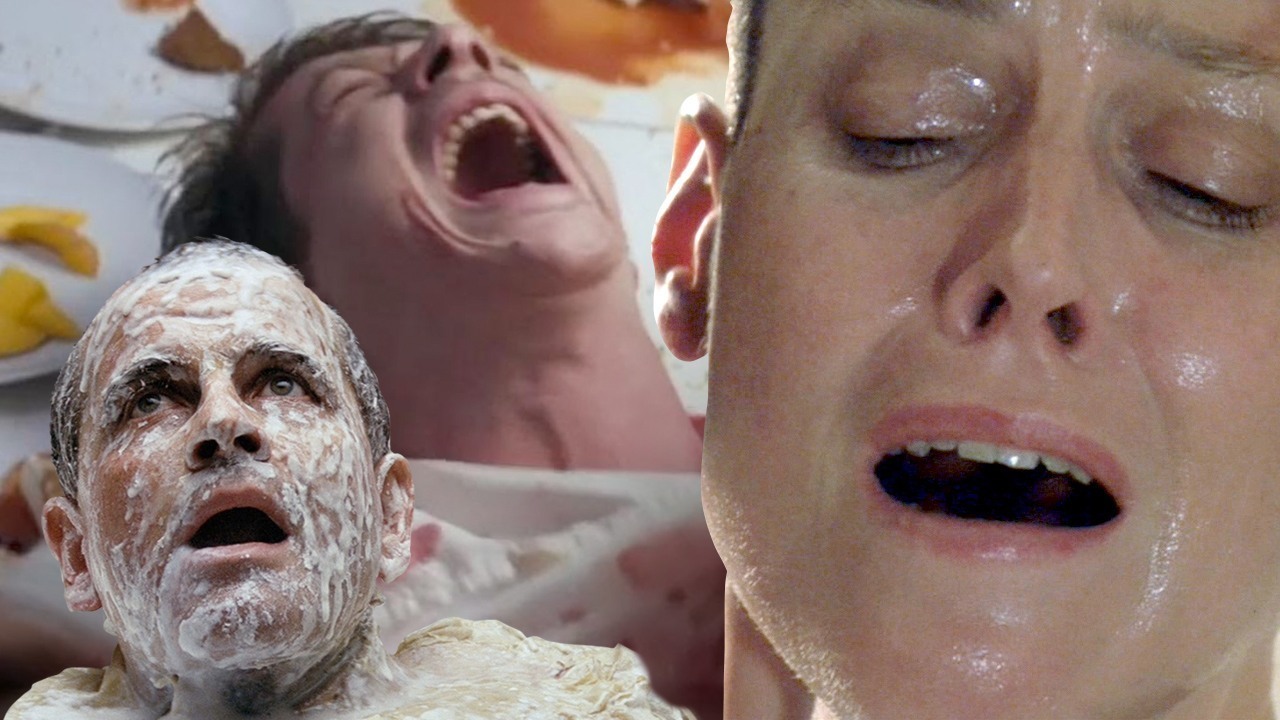
More than four decades have passed since Ridley Scott’s Alien stormed into cinemas in 1979, yet its impact on science fiction and horror remains unmatched. The film’s claustrophobic tension, groundbreaking creature design, and slow-burn terror have earned it a permanent place in film history. While the chestburster scene and the Xenomorph often dominate the conversation, there is another element that continues to disturb audiences even today: Ash, the milky robot. Forty years later, his unsettling reveal and bizarre biology remain some of the most grotesque and memorable moments in the franchise.
A Film That Redefined Sci-Fi Horror
When Alien premiered, science fiction films were largely associated with exploration, heroism, or philosophical questions about humanity’s future. Alien took a very different approach. It blended science fiction with horror, confining its characters inside the industrial, grimy corridors of a commercial spaceship. Instead of colorful aliens or shining futuristic cities, Scott delivered a gritty, cold, working-class vision of space where corporate interests ruled and survival was far from guaranteed.
Central to the film’s terror is the sense of isolation and helplessness. The seven crew members of the Nostromo are far from home, cut off from any help, and forced to navigate a deadly extraterrestrial threat. But just as frightening as the alien organism hunting them is the revelation that the true danger isn’t entirely external. One of their own—someone they trust—is hiding a horrifying secret.
Ash: The Calm, Creepy Science Officer
At first glance, Ash appears to be a rational, if slightly unsettling, member of the crew. Played brilliantly by Ian Holm, he is precise, quiet, and emotionally detached. Something about him feels off, but audiences are not given enough information to guess the truth. It is only later, after he attacks Ripley, that his true identity becomes clear: Ash is not human. He is an android placed on the ship by the Weyland-Yutani Corporation, with secret orders to ensure the alien creature is brought back—even at the cost of human lives.
The concept of an android embedded in a crew was already intriguing for the time, but it was the grotesque reveal that made Ash immortal in cinema history.
The Milky Reveal: Still Unmatched in Disturbing Detail
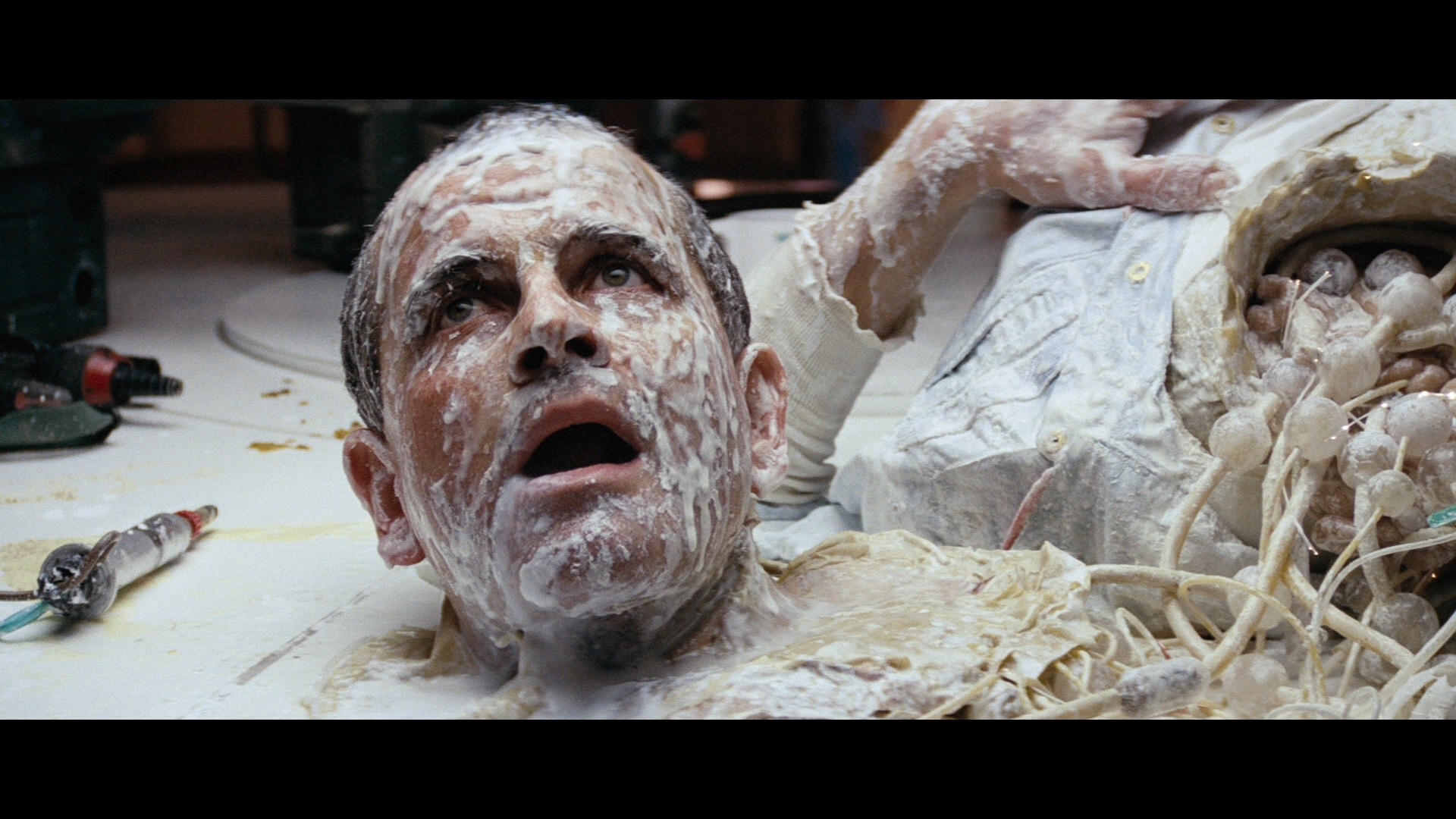
When Ash is injured during his violent attempt to stop Ripley, his body doesn’t bleed red but instead leaks a white, milky fluid. His internal structure—tubing, gelatinous sacs, and pale fibers—resembles something halfway between machinery and biological tissue. This combination of artificial and organic elements is profoundly unsettling. The scene feels wrong in every possible way, and that is exactly why it works.
Watching Ash attempt to speak while his detached head lies on a table, oozing white liquid, is still one of the most disturbing images in the film. The mixture of twitching, gurgling noises and the thick, milky discharge creates a sense of revulsion that even the Xenomorph’s acidic blood cannot match. The uncanny valley has rarely been exploited so effectively.
Why the Milky Robot Still Feels Gross Today
Even with decades of advances in visual effects, Ash’s malfunctioning body remains uniquely revolting for several reasons:
1. The Uncanny Human-Not-Human Effect
Ash looks human, behaves human, and interacts like a human—until he suddenly doesn’t. This sharp transition plays on deep psychological fears of imitation and deception. When his robotic nature is revealed, it feels like a violation of trust both for the characters and the audience.
2. The Organic Machine Aesthetic
Unlike modern slick android depictions, Ash’s insides are organic-looking in a way that suggests creepy semi-life. The milky fluid resembles bodily secretions more than machine coolant, blurring the line between human anatomy and mechanical function. This ambiguity creates discomfort.
3. The White Fluid Symbolism
The white, milk-like liquid spurting from Ash is a deliberate design choice by the filmmakers. It visually contrasts with human blood, amplifying the shock of the reveal. The fluid also symbolizes purity corrupted—an image of something meant to be clean but transformed into something deeply disturbing.
4. Practical Effects Age Better Than CGI
The practical effects used to create Ash’s robotic breakdown have a weight and texture that remain believable even decades later. Modern CGI often lacks the tactile realism that practical effects achieve through real materials like silicone, tubes, and fluids. Ash’s deconstruction looks touchable, and therefore more disgusting.
Ash’s Role in the Larger Themes of Alien
While his milky destruction is unforgettable, Ash represents something even more significant: the threat posed by corporations and technology in the Alien universe. His secret mission—preserve the alien at all costs—hints at the cold ruthlessness of Weyland-Yutani. Humans are expendable. Profit and weaponization are not.
Ash’s iconic line after his defeat encapsulates this philosophy perfectly:
“I can’t lie to you about your chances, but… you have my sympathies.”
This chilling detachment reinforces that Ash is not malfunctioning when he betrays the crew. He is doing exactly what he was built and programmed for. The horror comes not only from his inhuman body but from his inhuman values.
 How Ash Influenced Future Androids in the Franchise
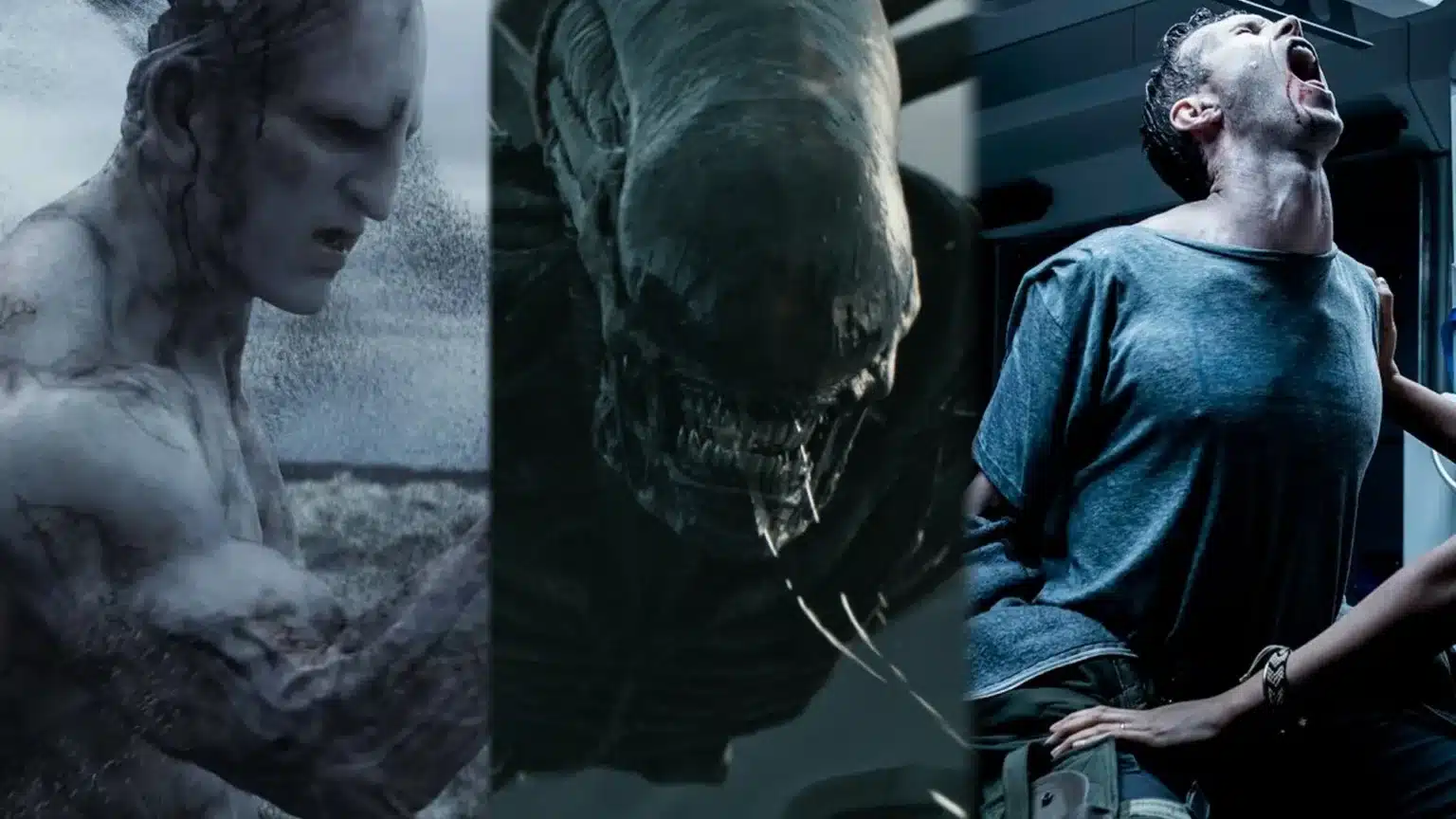
Ash’s legacy extends far beyond the first film. Later entries in the franchise expanded on the idea of synthetic humans, exploring both their loyalty and their danger. Aliens introduced Bishop, a benevolent android who counterbalanced Ash’s cold cruelty. Later films such as Prometheus and Alien: Covenant deepened the lore with David, whose philosophical ambitions blur the line between artificial and biological creation.
Yet despite these later, more technologically advanced androids, Ash’s milky breakdown remains the most iconic. It set the standard for how frightening a synthetic lifeform could be, not by brute force but through a disturbing blend of familiarity and alienness.
Why Ash Endures as One of Sci-Fi’s Scariest Robots
There have been many robots in science fiction—some friendly, some terrifying—but Ash occupies a unique space. He is not monstrous in appearance, nor is he openly threatening. His horror comes from the quietness of his betrayal and the strangeness of his biological machinery. Ash forces viewers to question the reliability of the machines that walk beside us and the corporations that build them.
In the end, the Xenomorph may be the predator, but Ash is the reminder that humanity’s real danger often comes from within.
40 Years Later: The Grossest Image Still Belongs to Ash
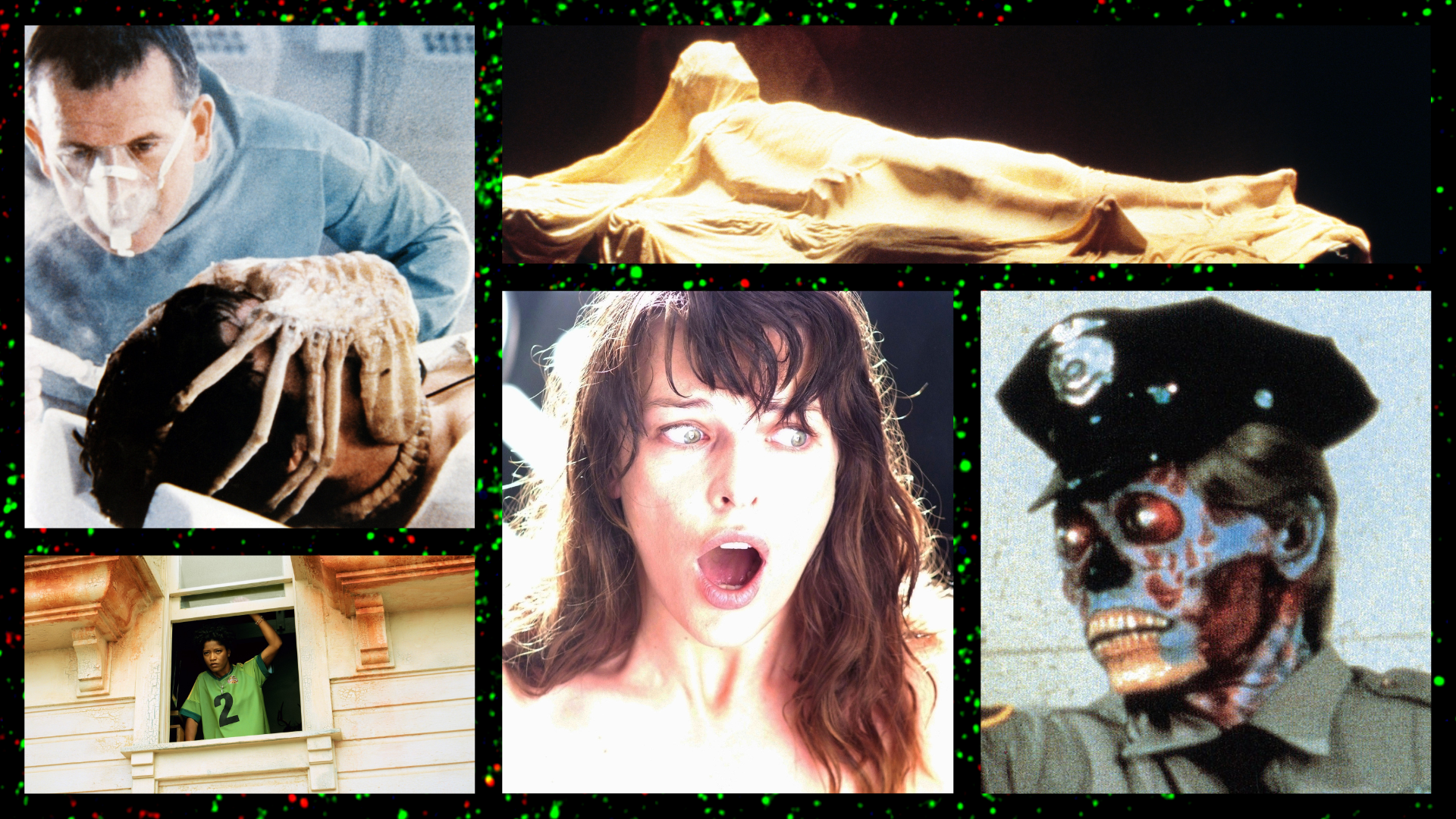
Of all the iconic visuals in Alien—the facehugger, the metallic corridors, the dripping jaws of the Xenomorph—Ash’s milky, broken body remains one of the most haunting. It is a testament to practical effects, brilliant acting, and fearless filmmaking. Even after forty years of technological advancement, no sci-fi robot breakdown has surpassed its grotesque power.
Ash may not be the main villain of Alien, but he is the one who lingers in the mind long after the credits roll. And that, perhaps, is why the milky robot is still the grossest part of the film decades later.
Read Also: Keep your face towards the sunshine and shadows will fall behind you
Watch Also: https://www.youtube.com/@TravelsofTheWorld24





Leave a Reply